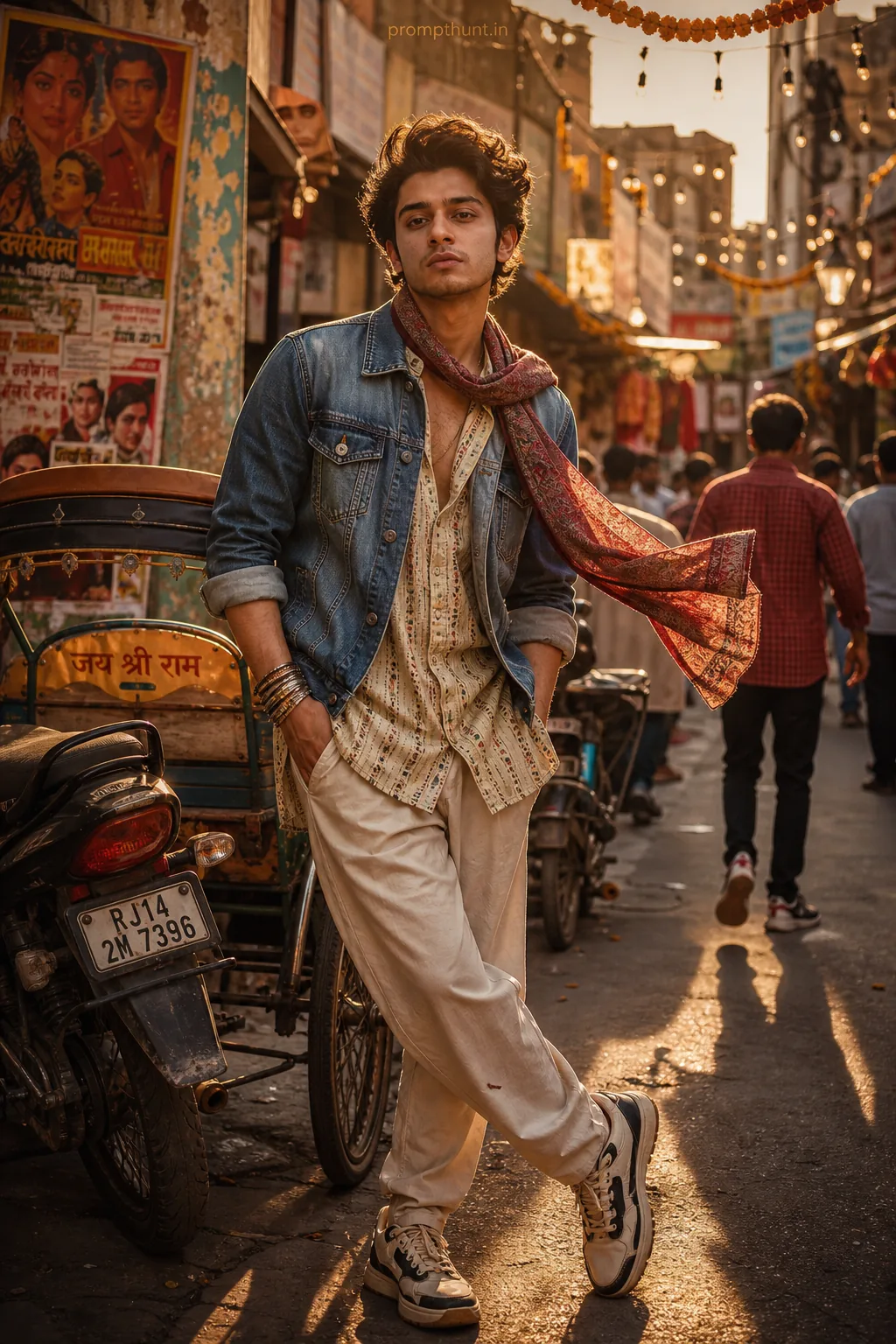
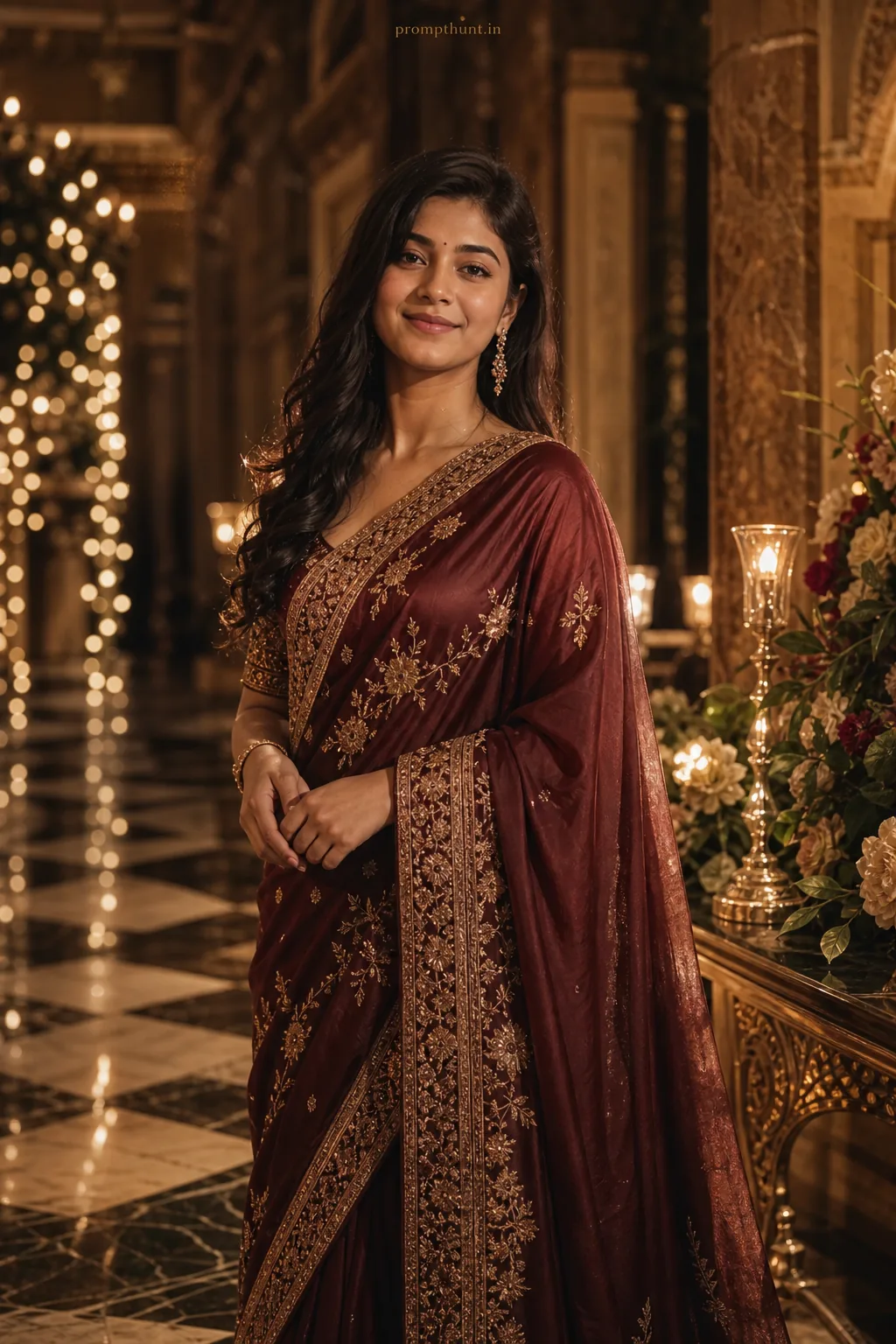
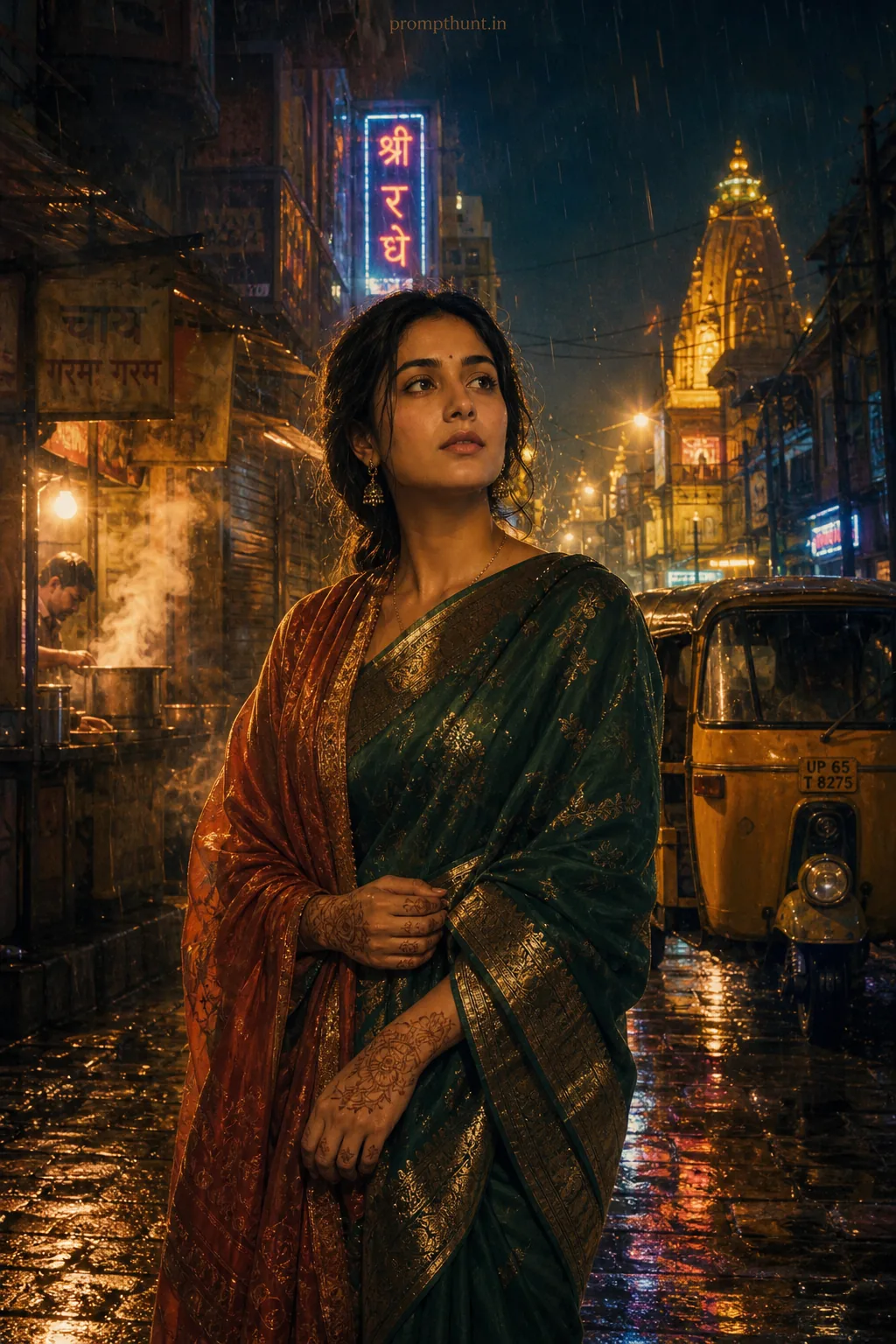
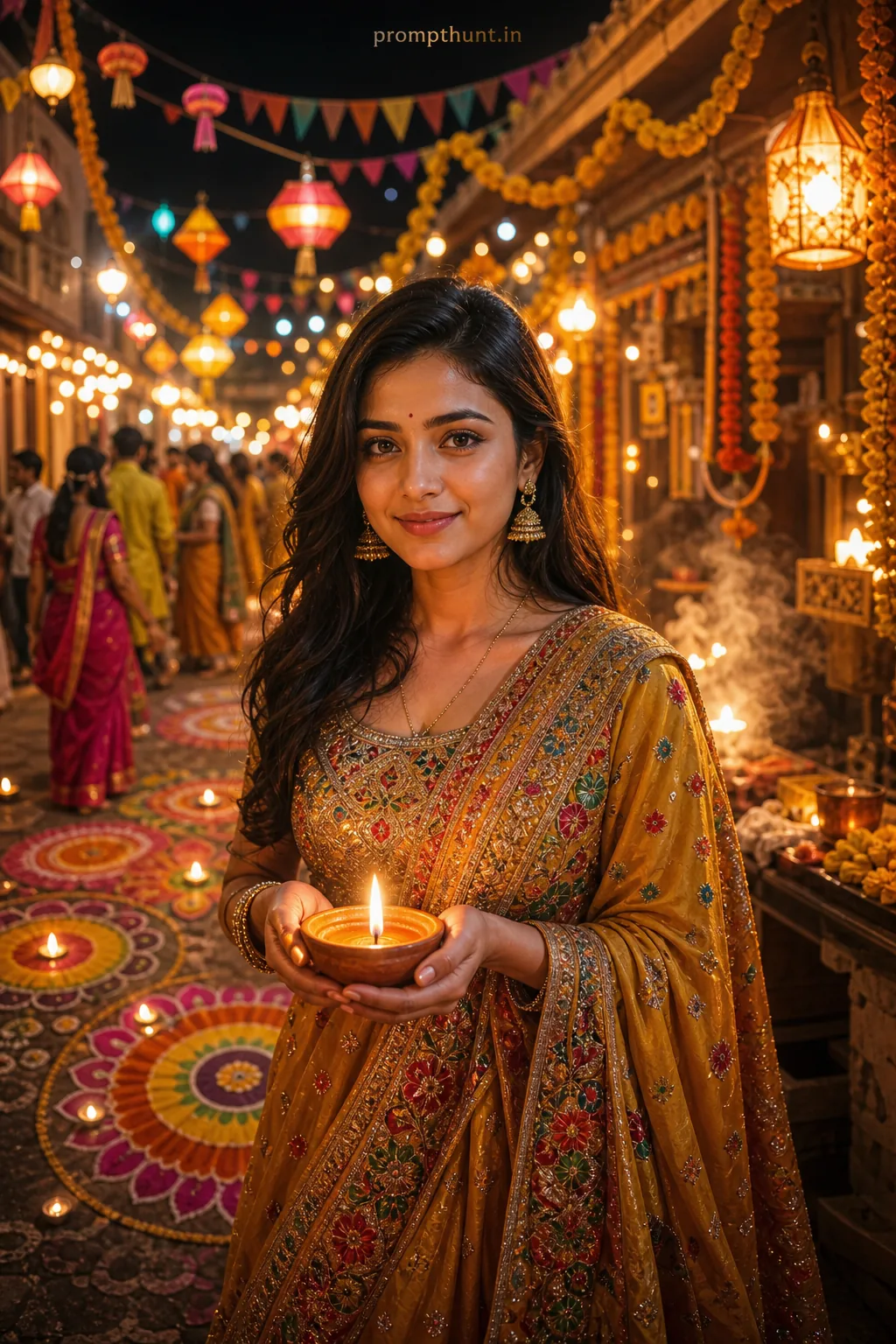
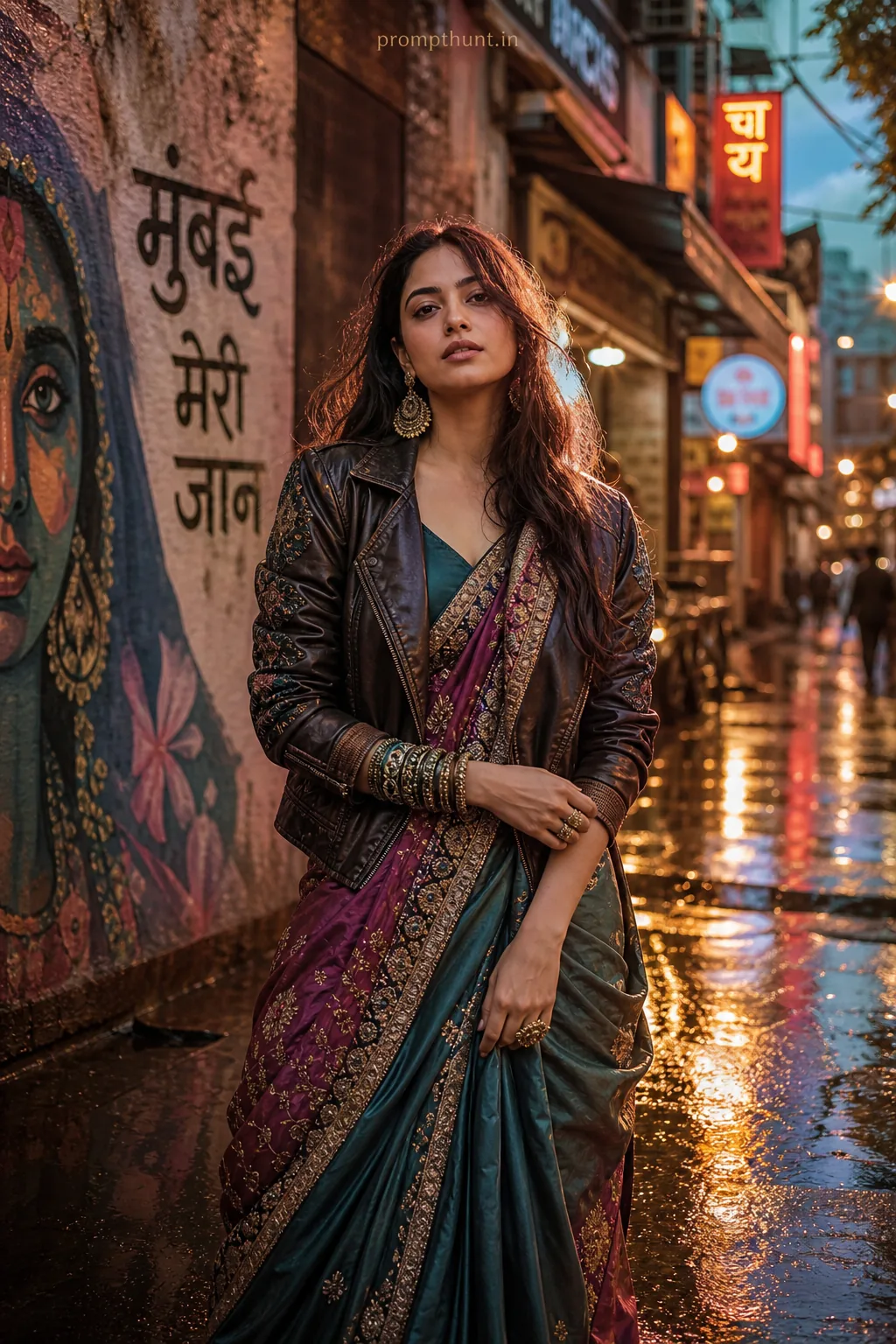
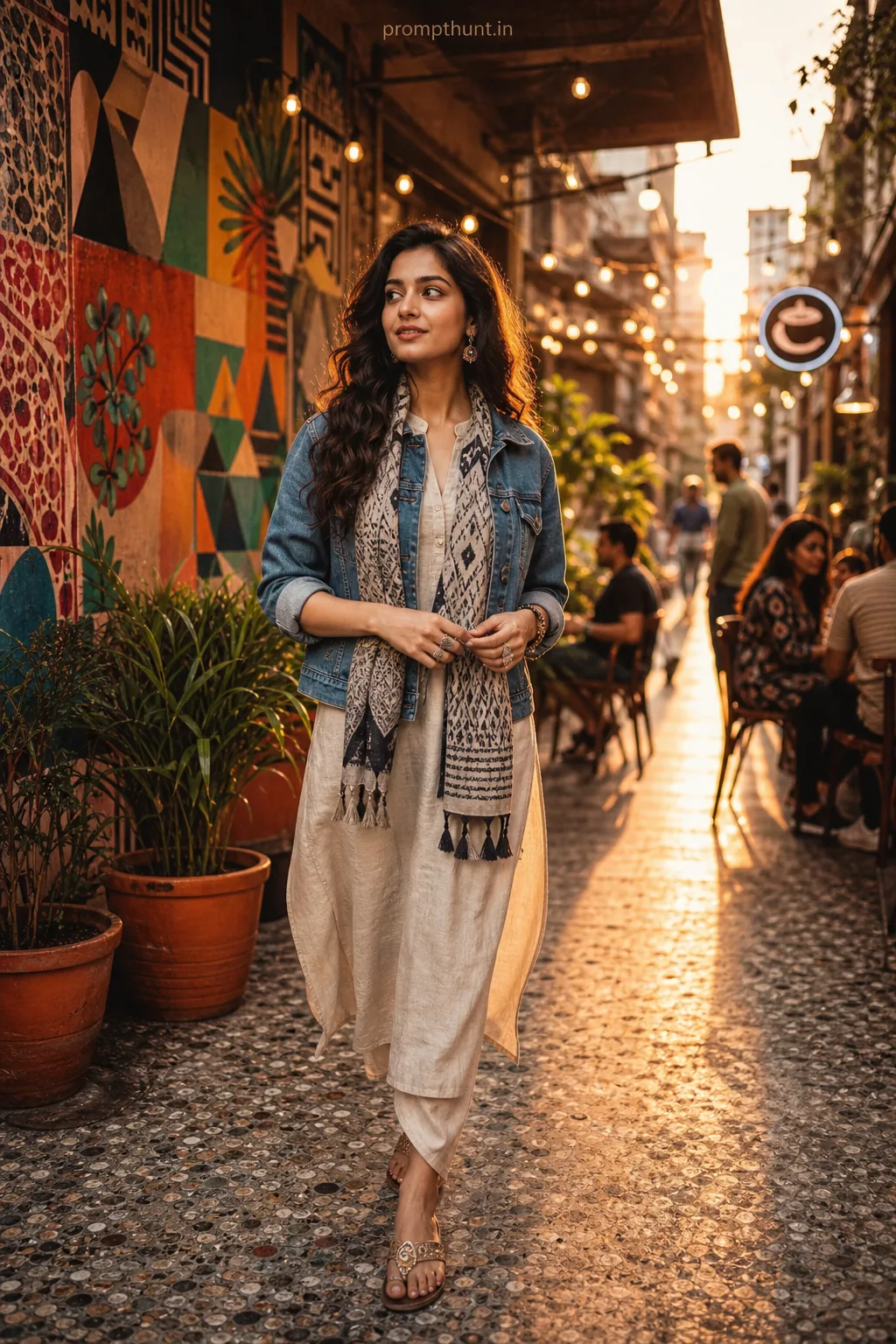
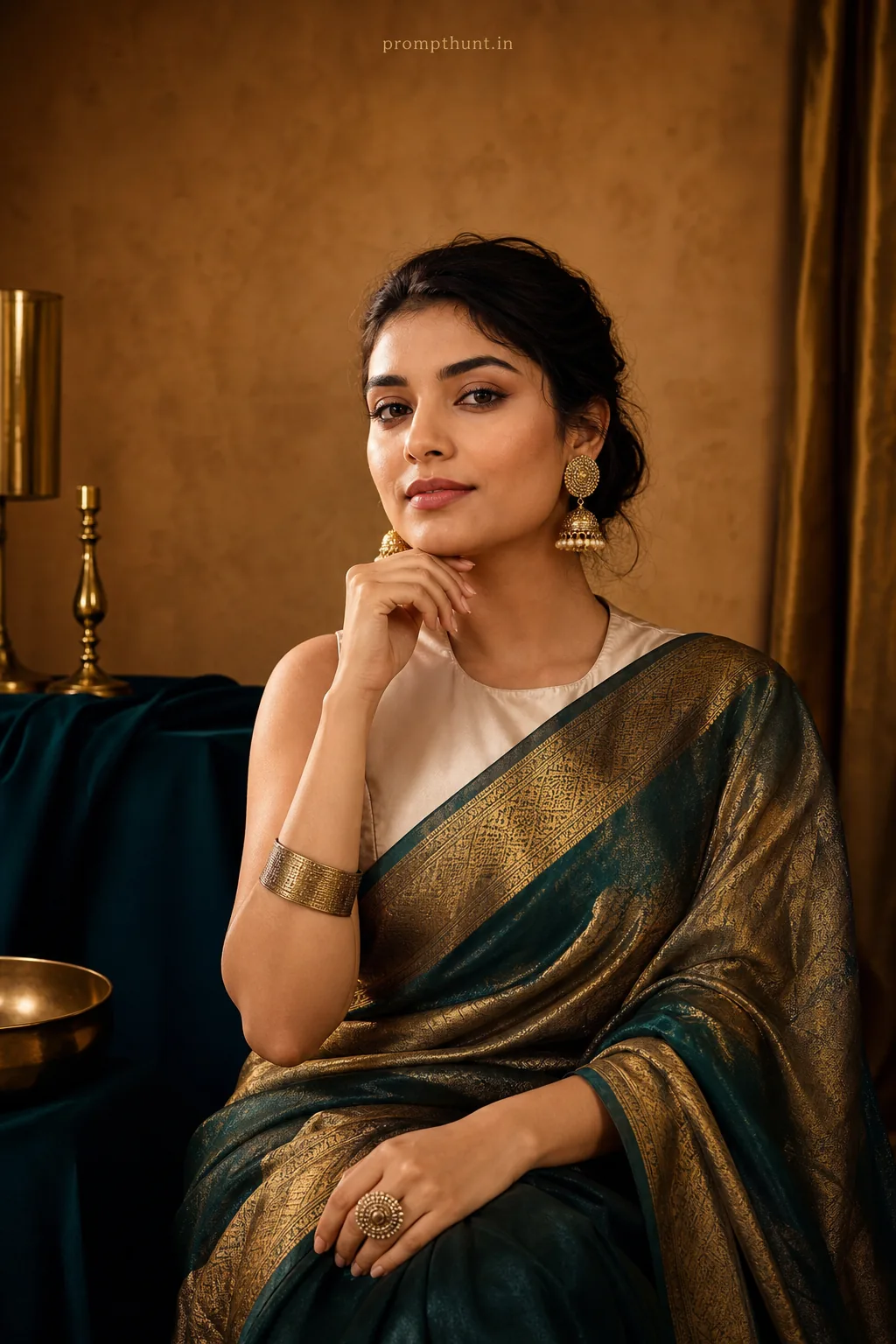
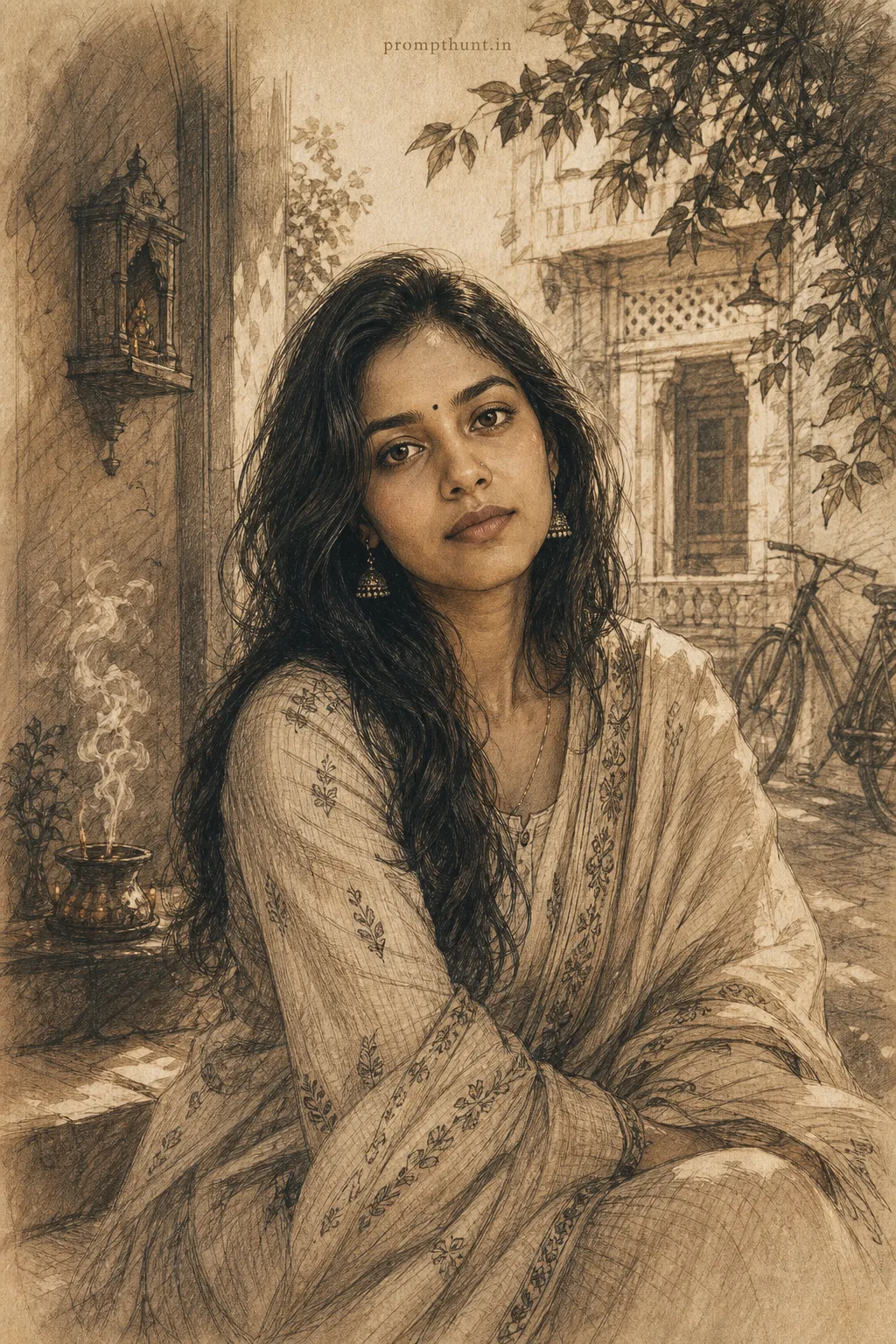
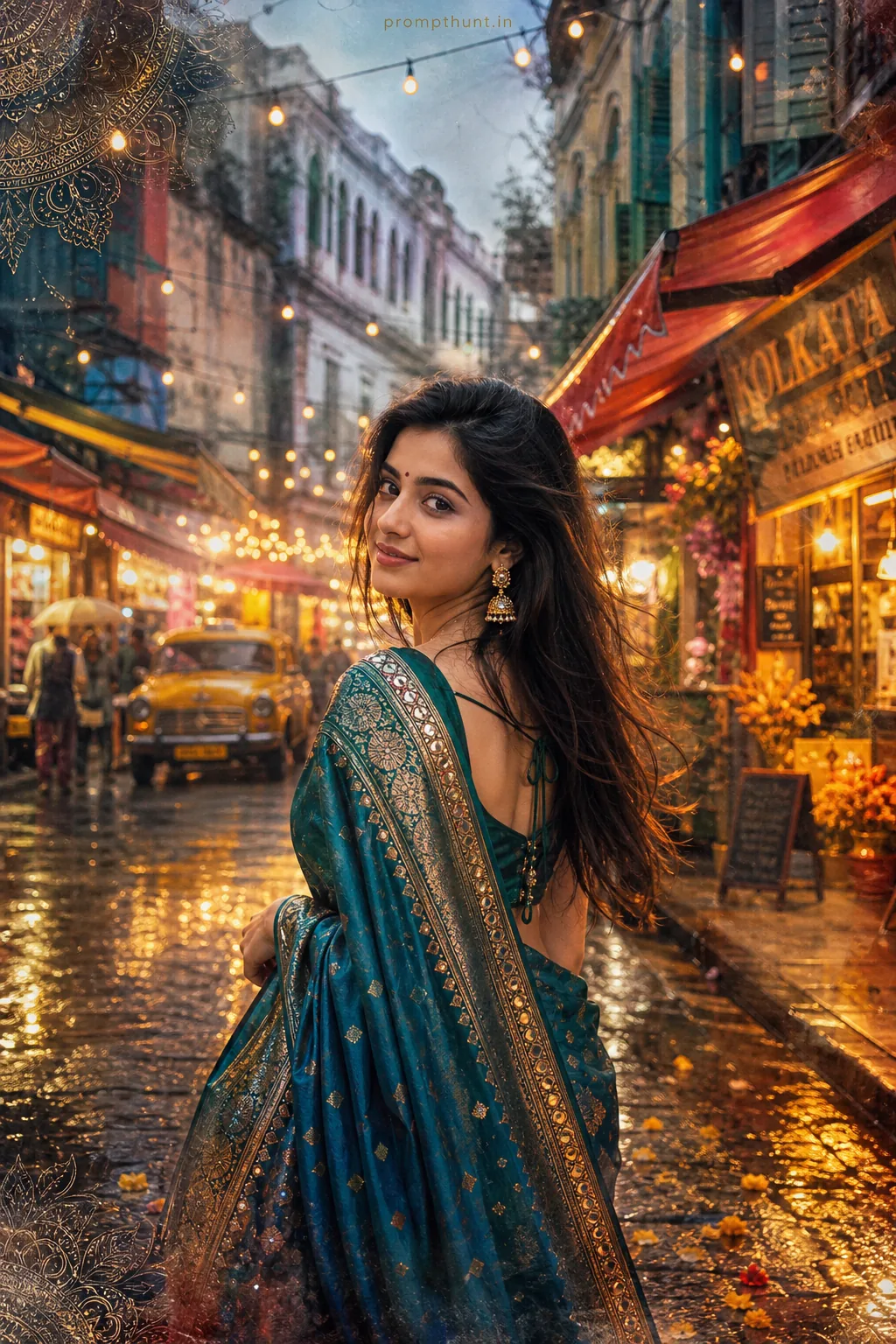
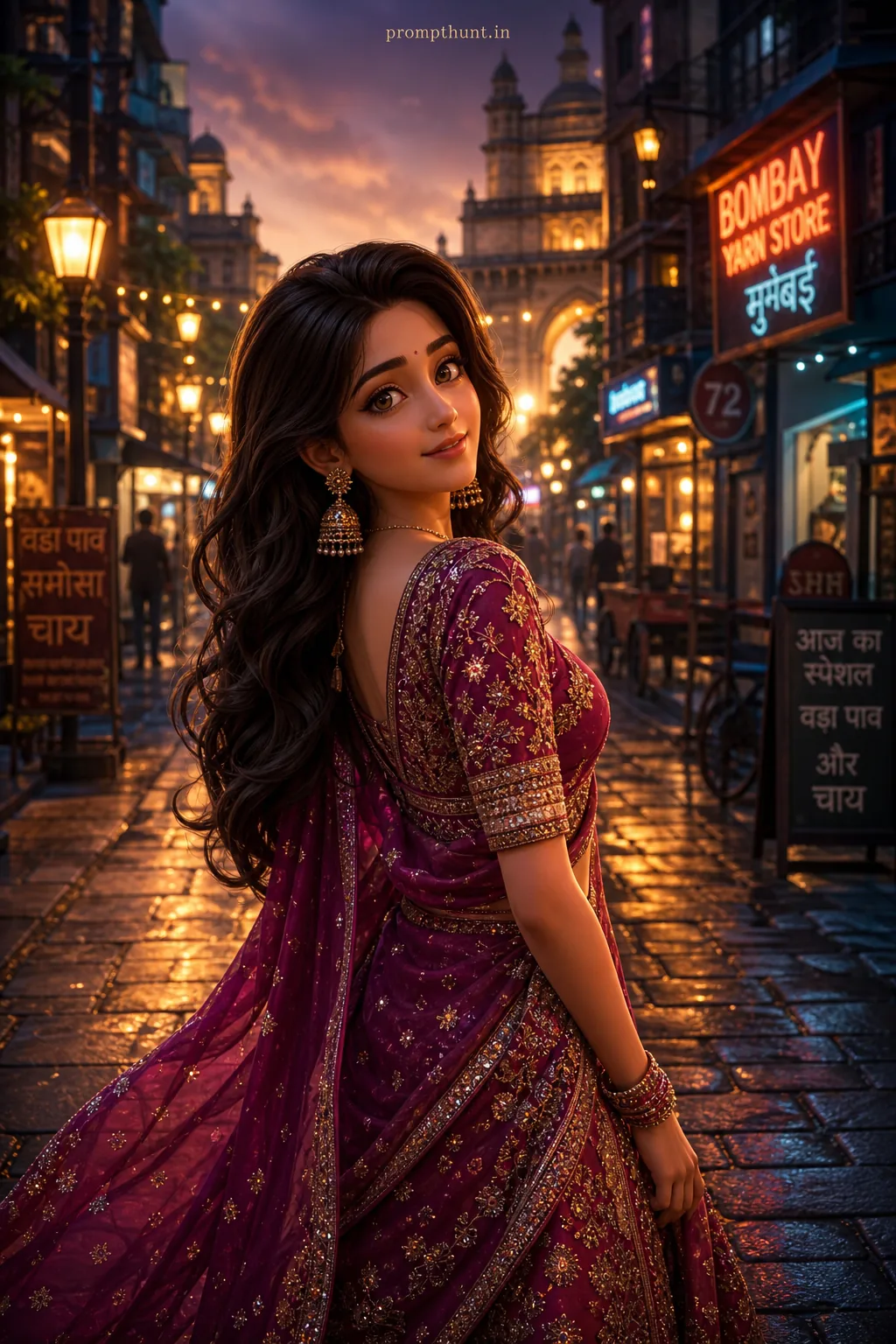
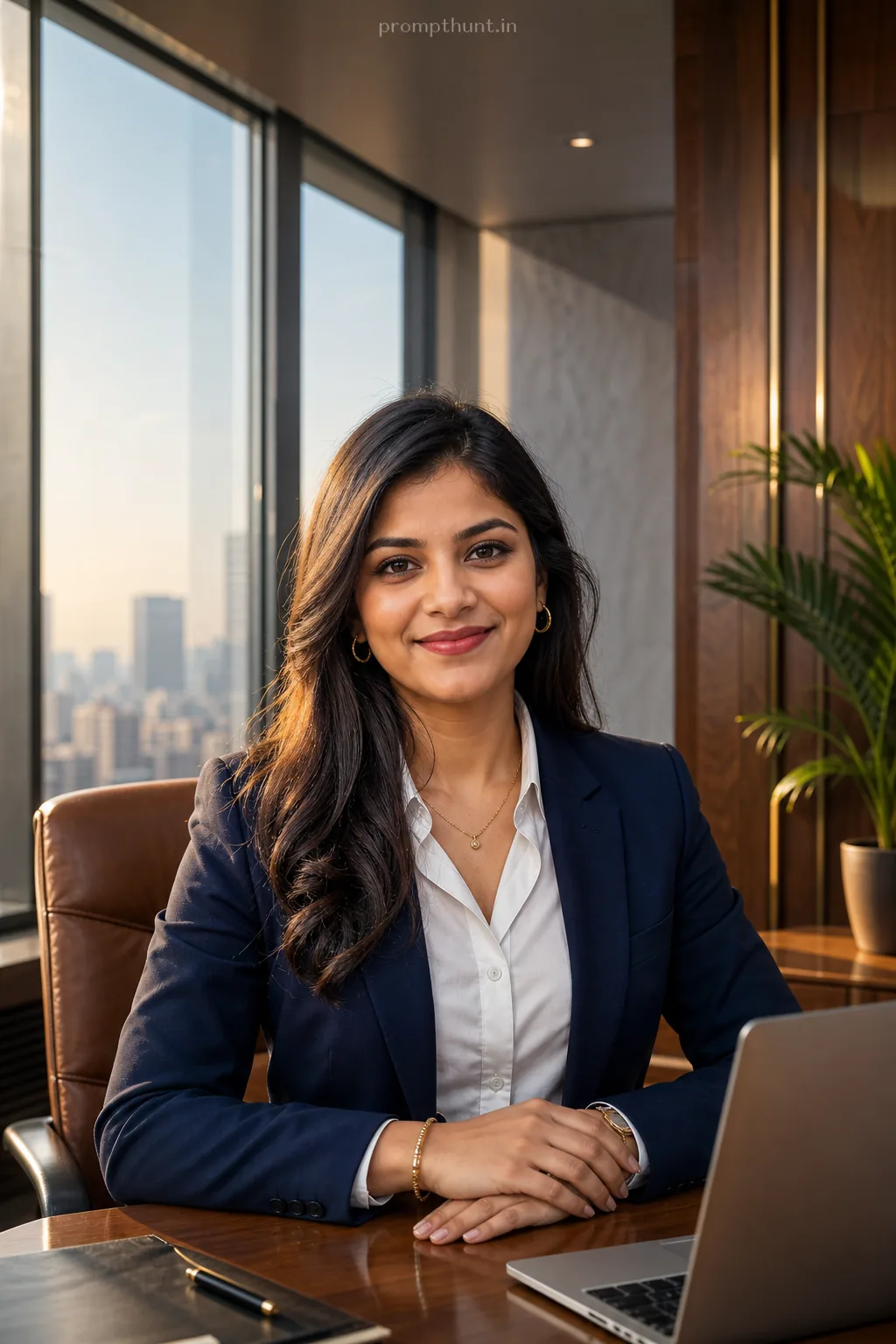
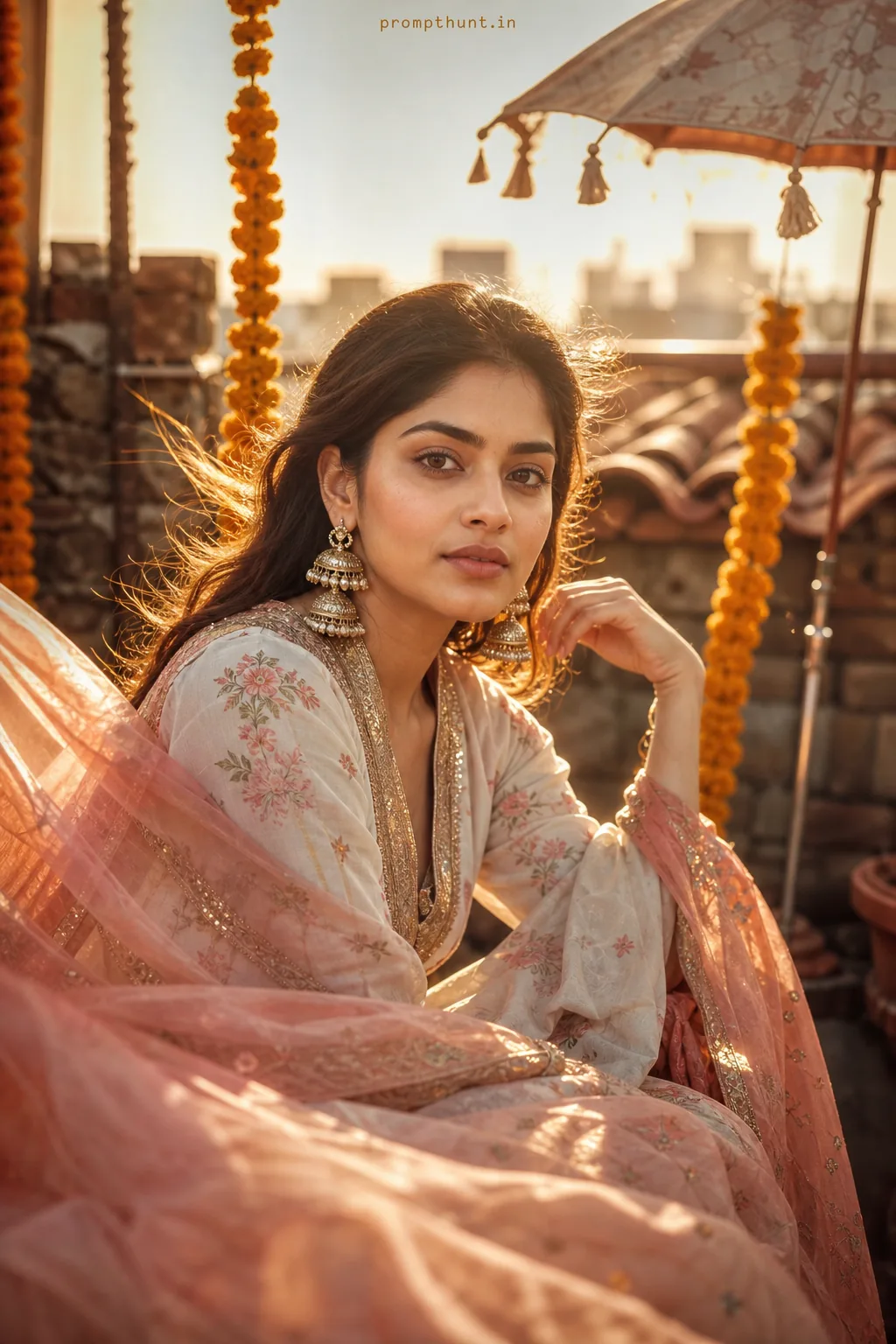
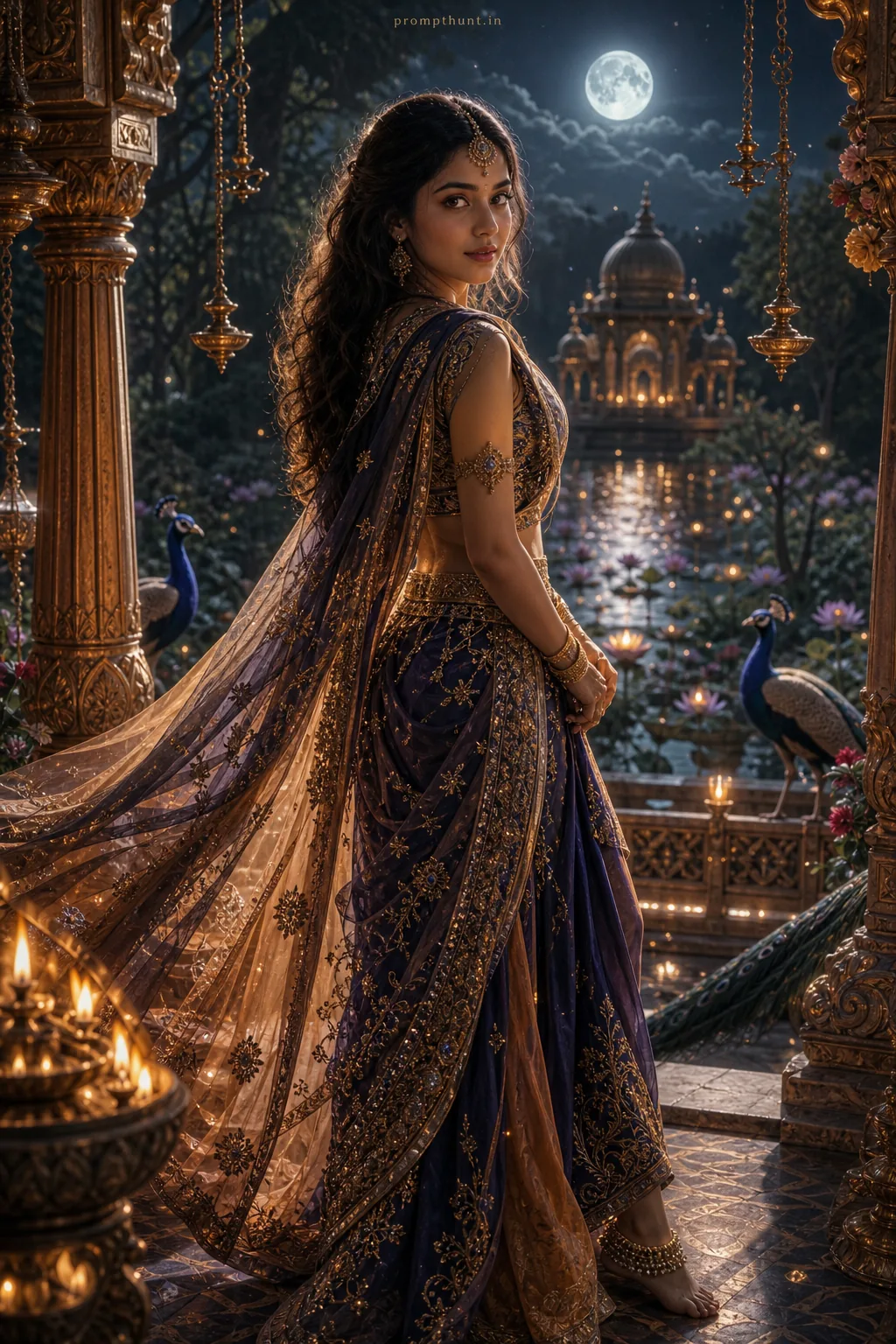
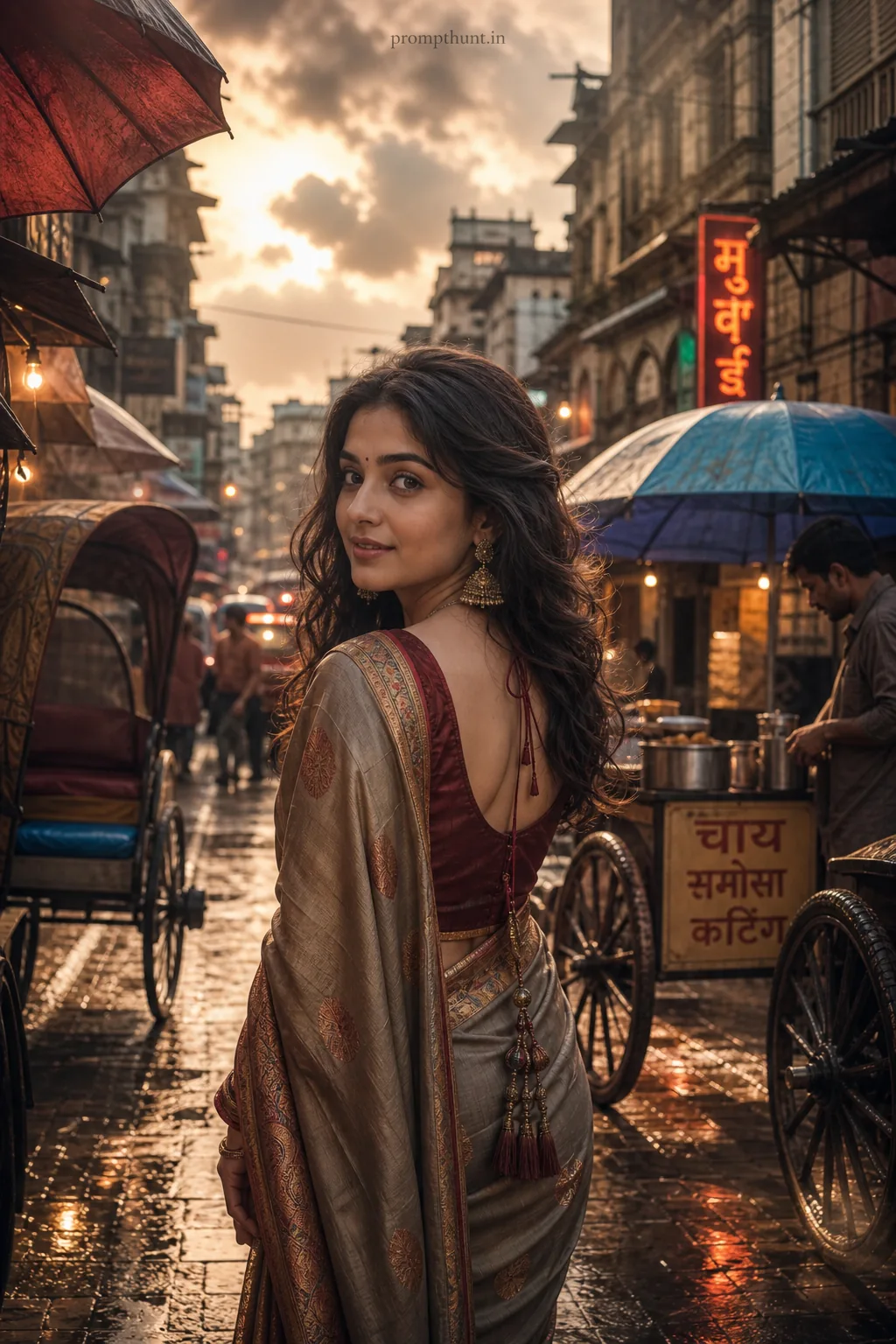
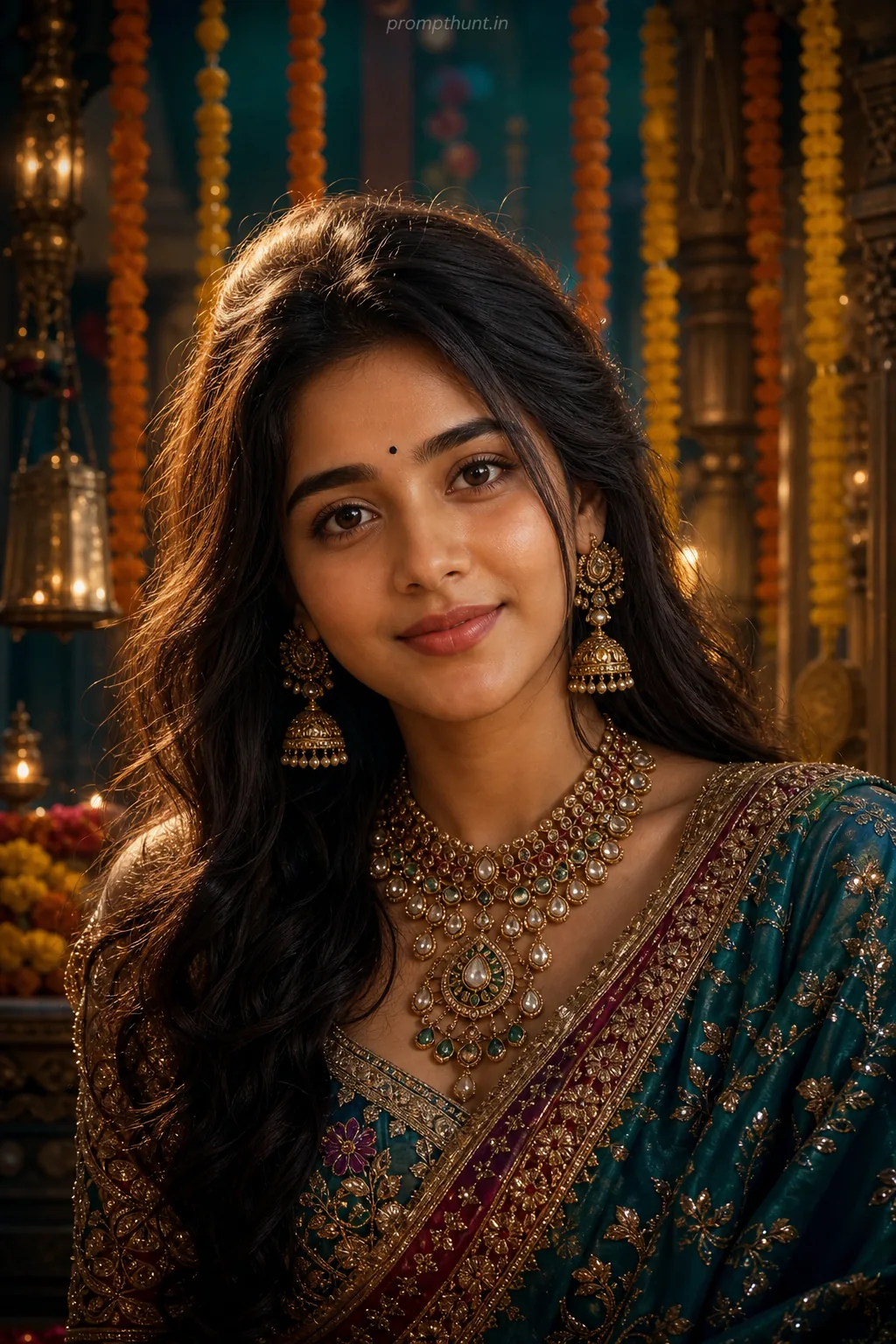
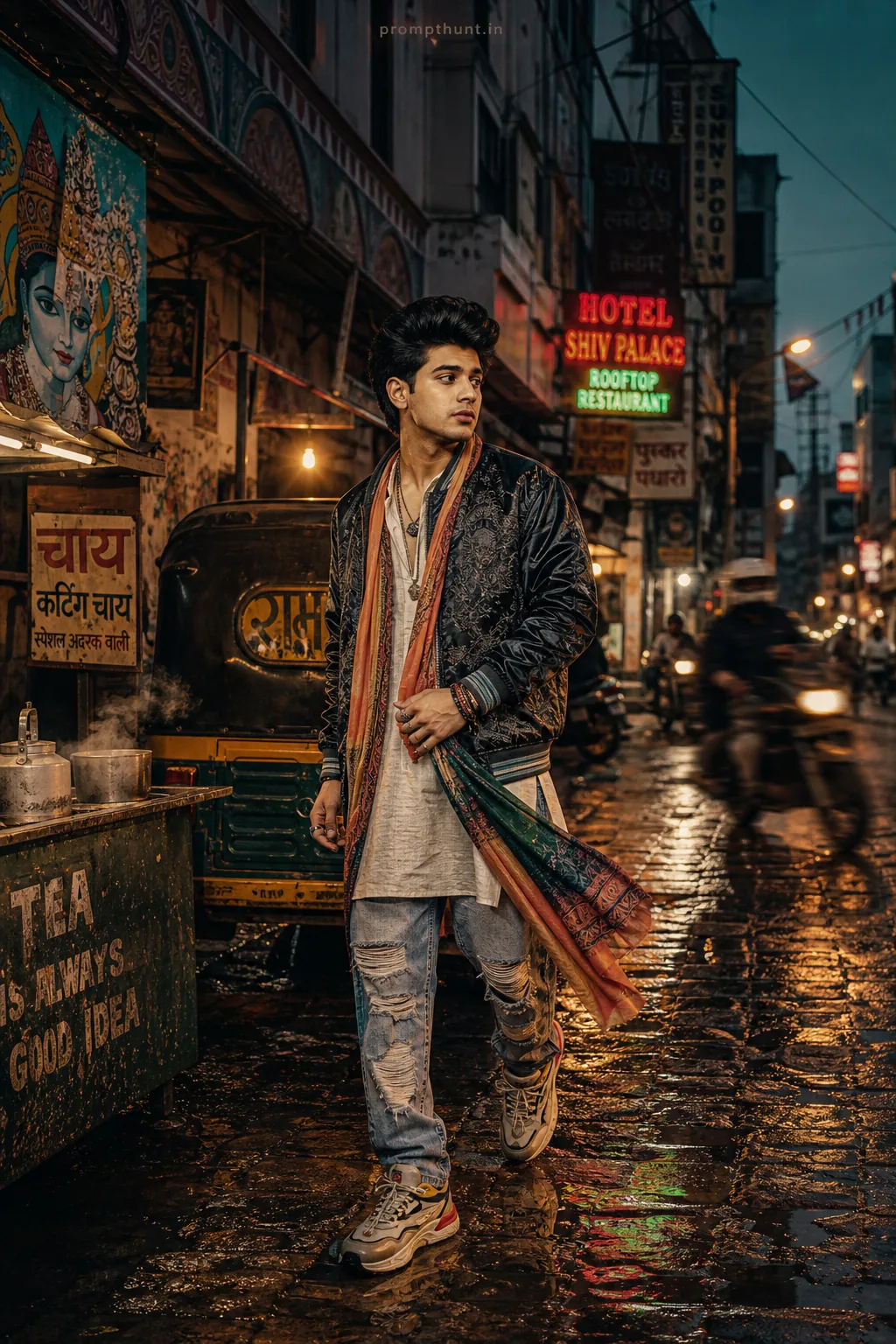
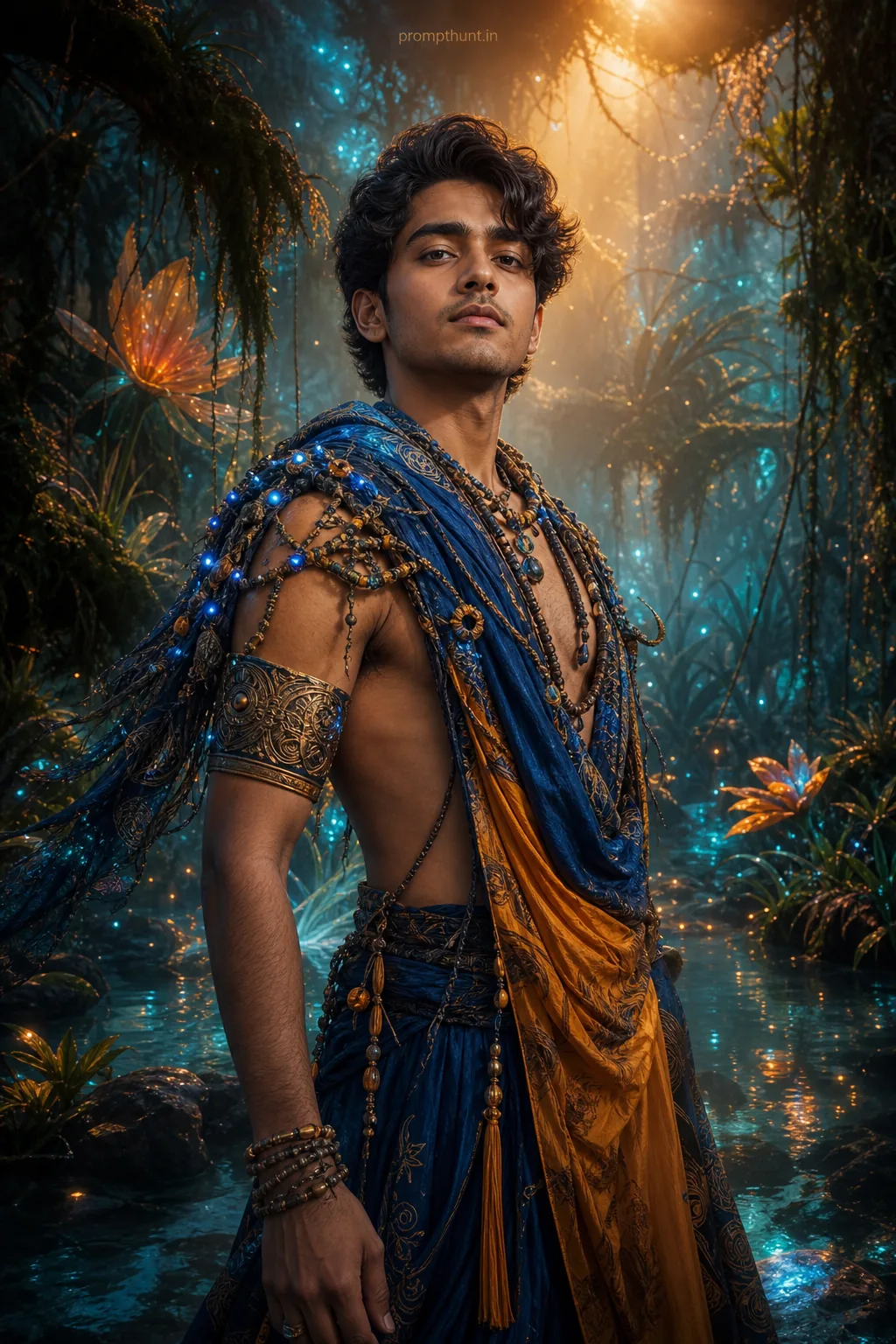
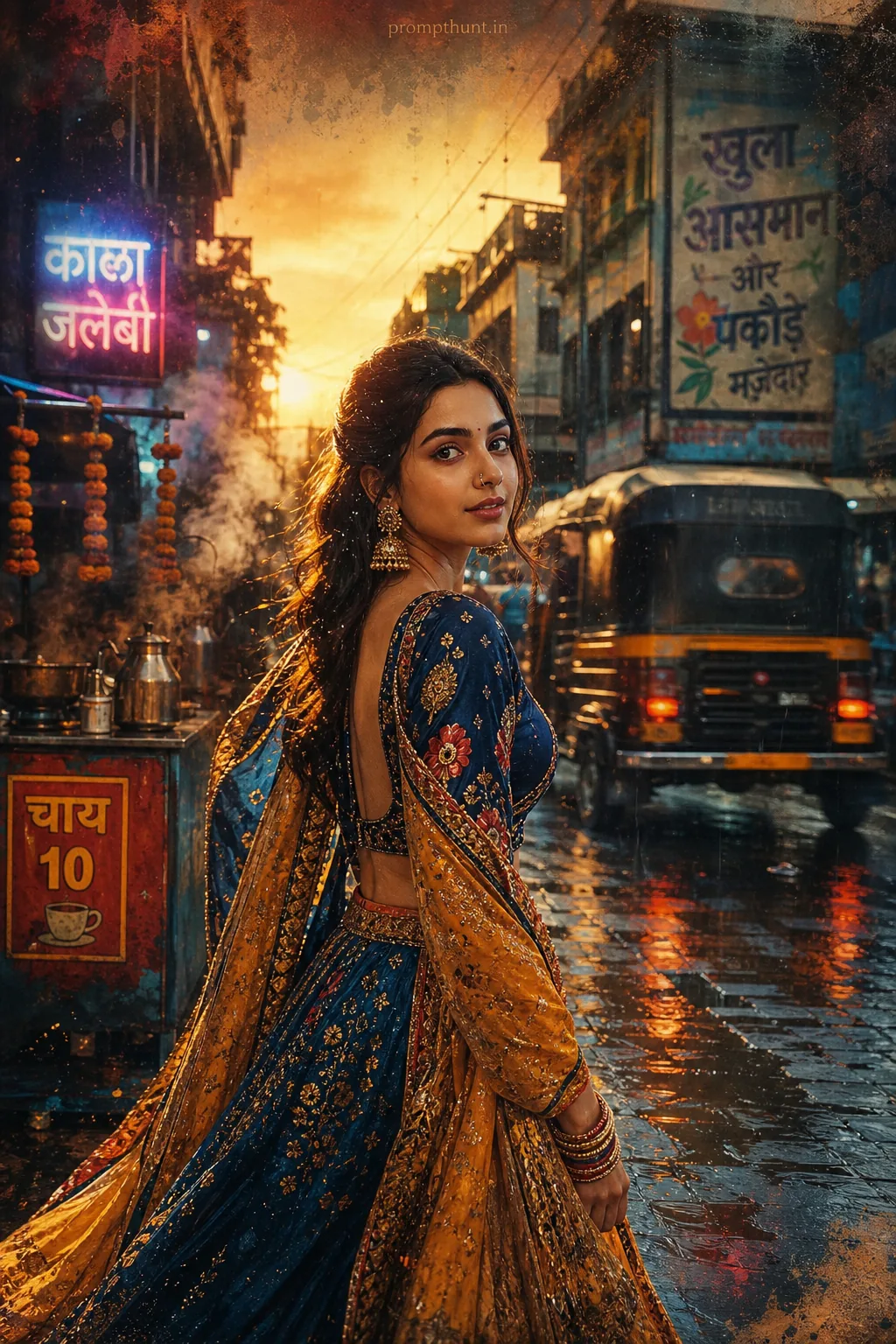
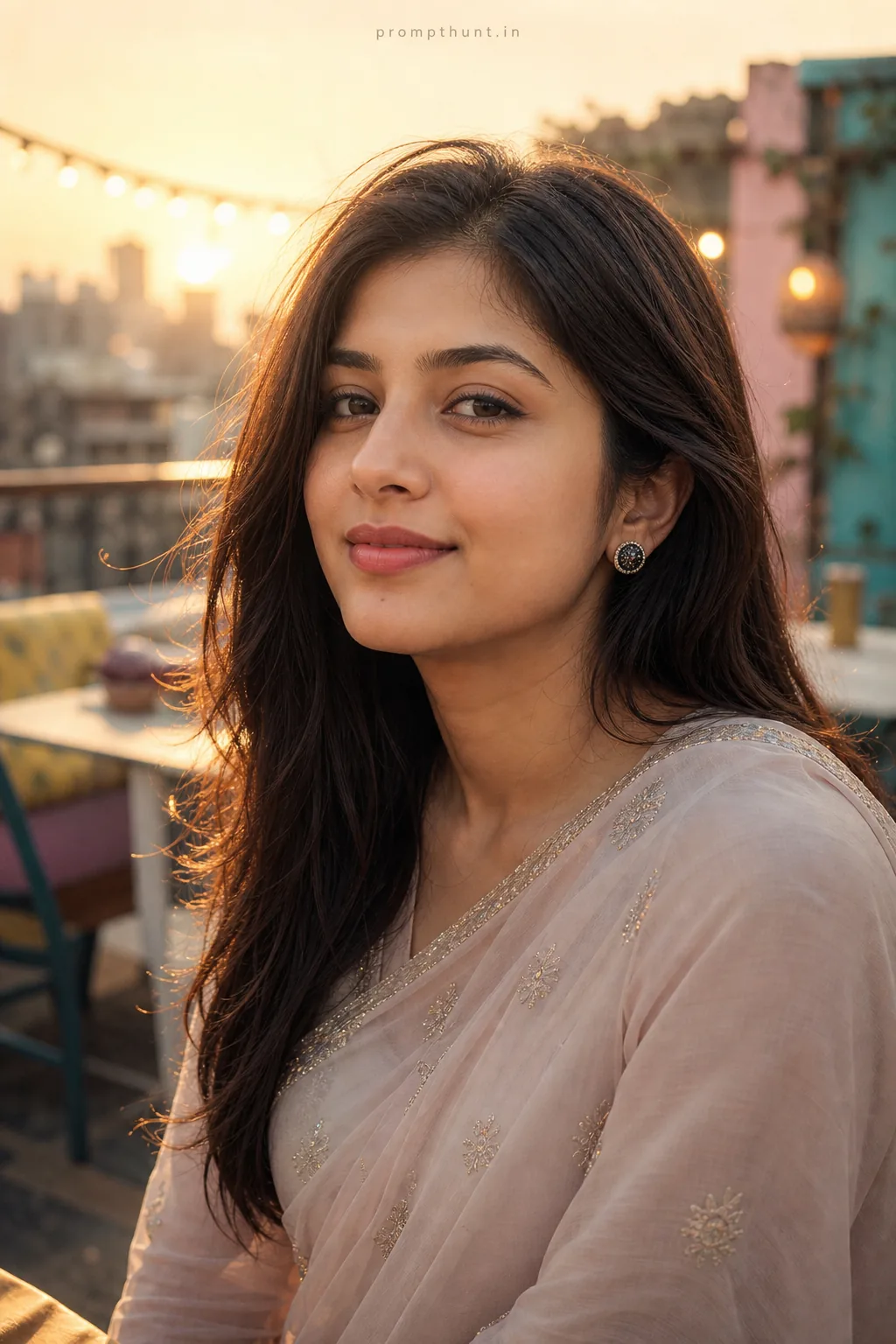
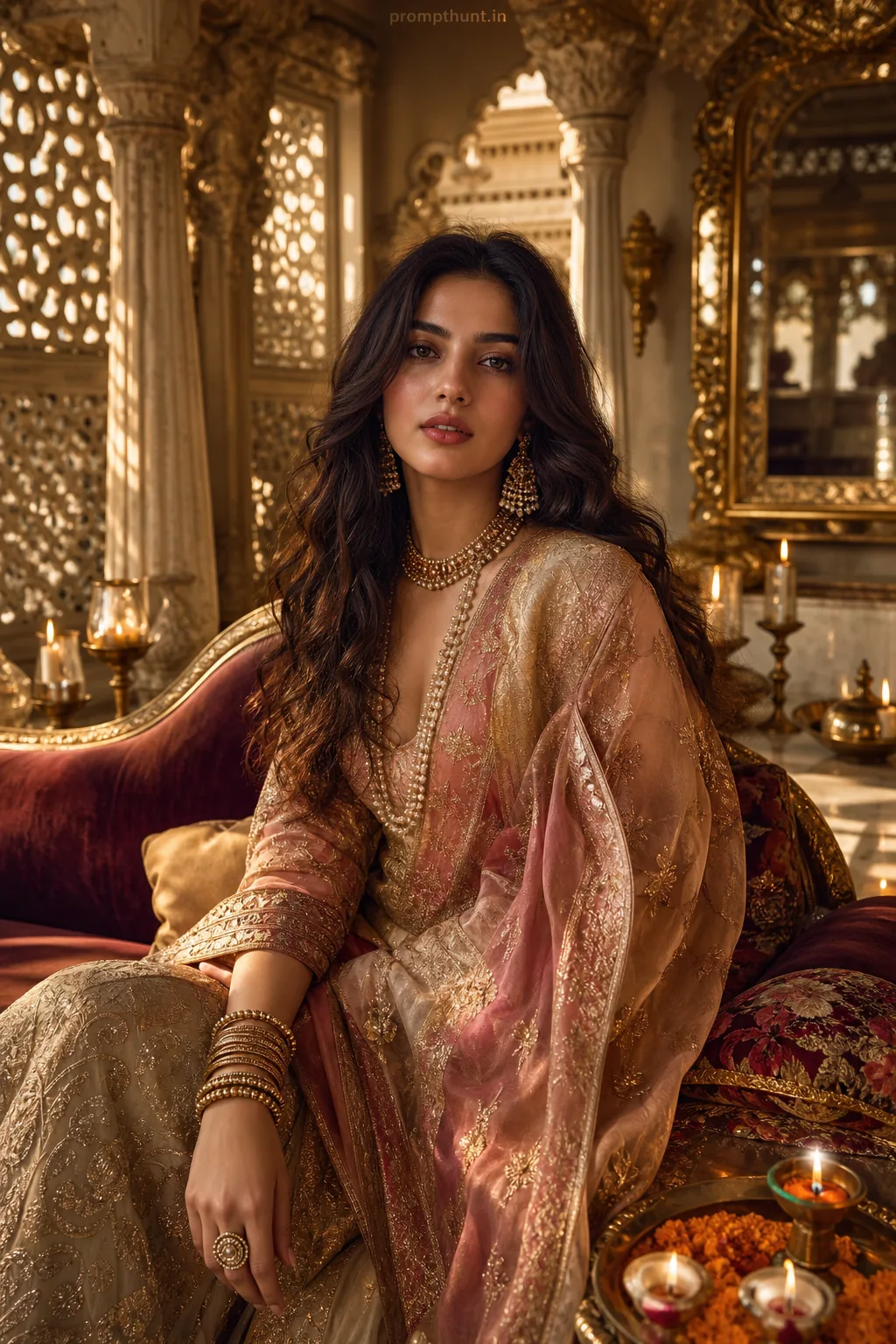
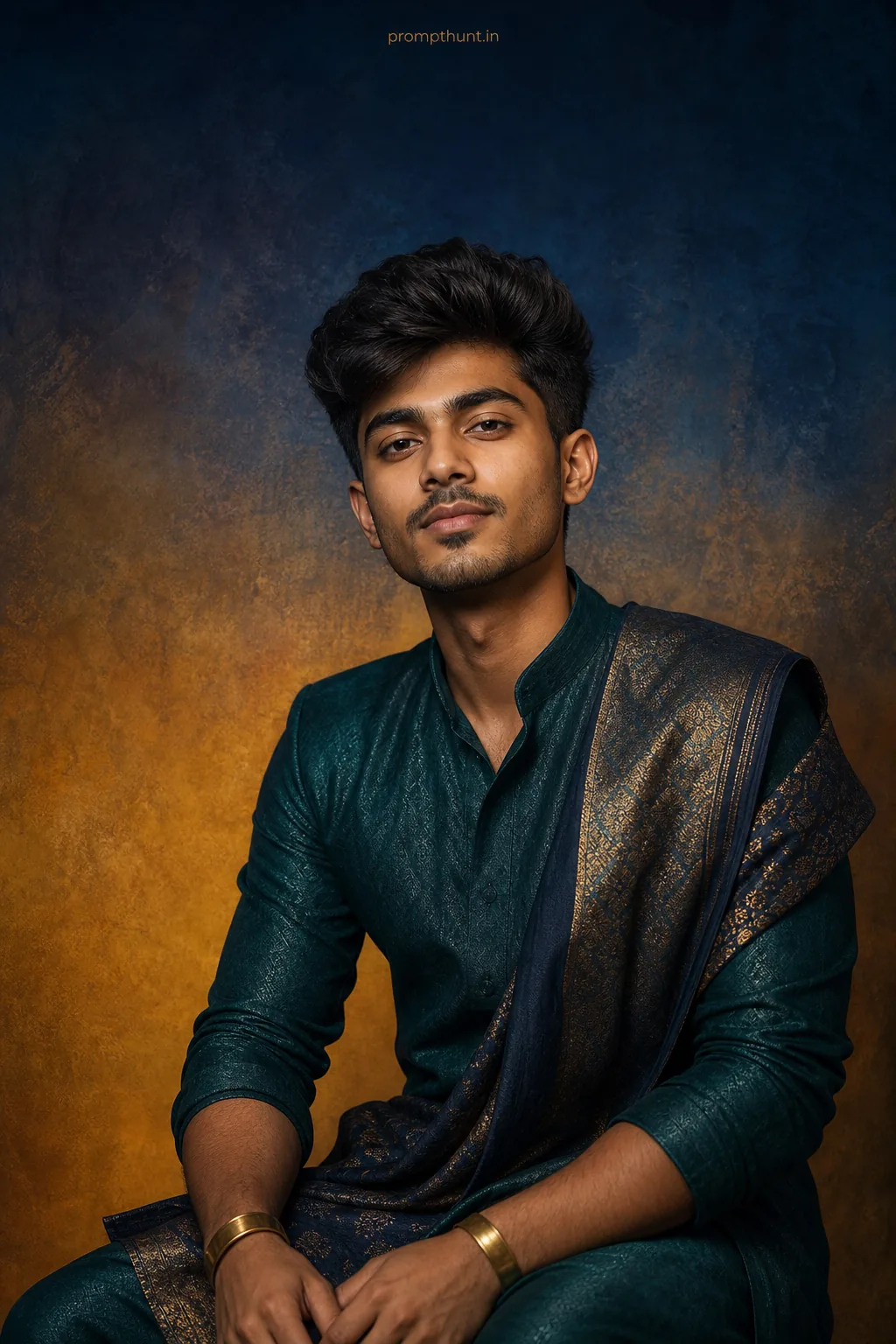
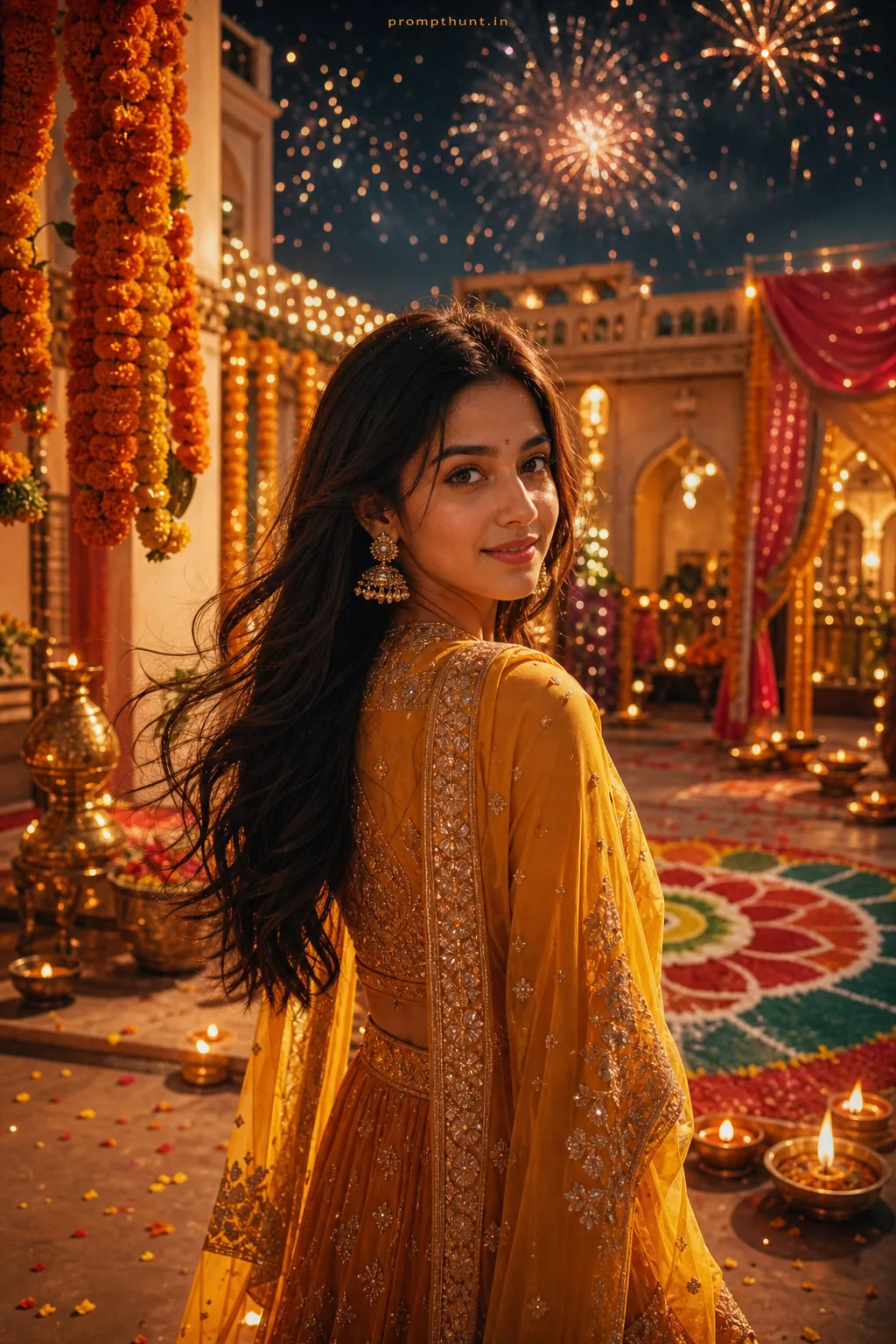
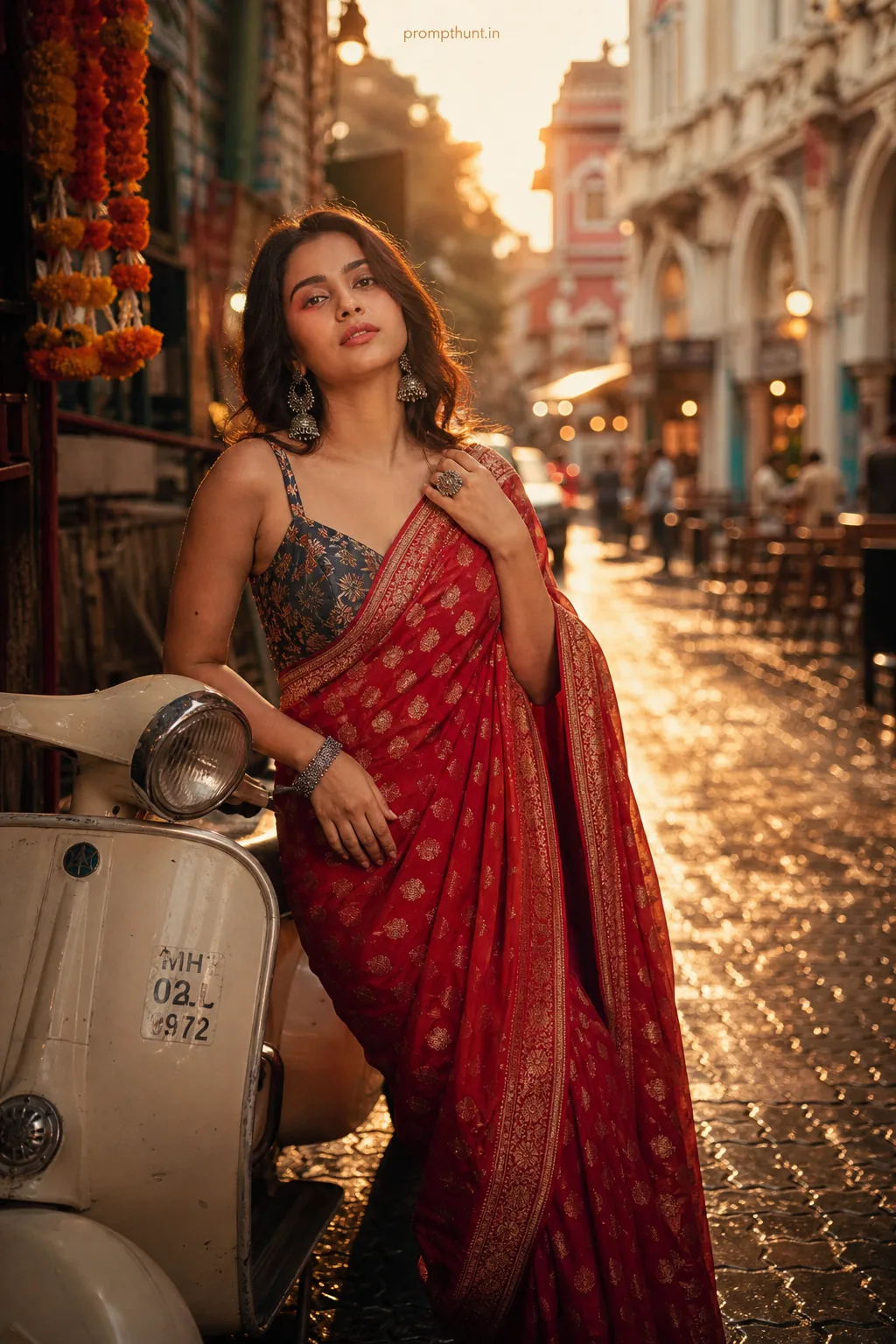
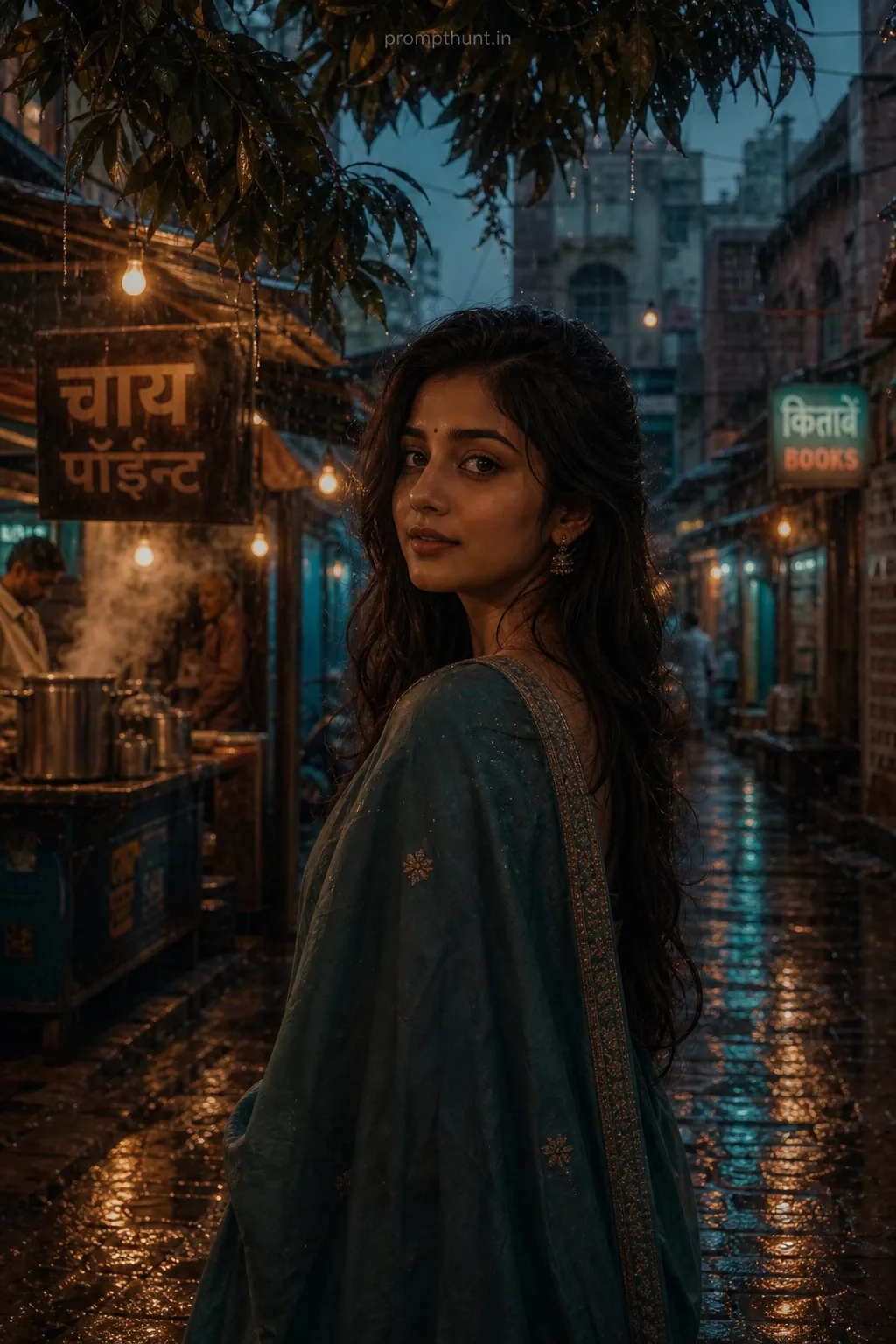
Cinematic Memory Lane is a viral AI photo editing style that transforms portraits into dramatic, nostalgia-drenched cinematic scenes using chiaroscuro lighting, warm sepia color grading, and atmospheric backgrounds. It captures the emotional depth of the trending "childhood self" portrait movement, turning a simple image into a story-rich, film-quality photograph with a single AI prompt.
There's a photo trend sweeping Instagram and TikTok right now, and if you haven't seen it yet, you will. People are generating hauntingly beautiful portraits that look like movie stills frozen in time — moody libraries, golden light falling across a thoughtful face, and an overwhelming sense of nostalgia that hits you right in the chest. It's called the Cinematic Memory Lane style, and it's the AI-powered evolution of the "childhood self" portrait trend that has everyone reaching for their old family photos and their favorite AI art tools.
What is Cinematic Memory Lane?
Cinematic Memory Lane is a style of AI-generated cinematic portrait photography that draws heavily from classic Hollywood lighting techniques, vintage aesthetic sensibilities, and the emotional storytelling power of film. Think of it as the visual equivalent of a bittersweet memory — beautiful, warm, a little melancholic, and impossibly detailed.
The style is defined by a handful of signature elements that work together to create its unmistakable look. Chiaroscuro lighting — the dramatic interplay of deep shadows and bright highlights — gives subjects a sculptural, otherworldly quality. A warm sepia color grade wraps everything in golden nostalgia. And richly detailed environments like old libraries, vintage reading rooms, or dusty antique spaces provide the kind of atmospheric backdrop that tells a whole story without a single word.
What connects it to the viral "childhood self" trend is the emotional core. This isn't just pretty picture-making. The style is designed to evoke introspection, memory, and the feeling of looking back at who you were or who you might have been. It resonates because it taps into something genuinely human — and that's exactly why it spreads.
The Viral Prompt
Cinematic Memory Lane — Viral Prompt
Prompt: A stylish young woman with a thoughtful, slightly melancholic expression, stands bathed in dramatic, cinematic chiaroscuro lighting within a richly detailed, atmospheric old library. Her gaze is distant, conveying a profound sense of introspection and a journey through past memories, subtly nodding to the viral 'childhood self' trend. The intricate background, filled with vintage books and warm wooden tones, is artfully blurred to enhance her emotional presence. The image boasts a trendy Instagram aesthetic with a high-contrast, warm sepia color grade, achieving photo-realistic quality and a vertical 4:5 composition.
Negative Prompt: Bad anatomy, mutated, deformed, disfigured, blurry, low quality, cartoon, painting, unrealistic, text, watermark, signature.
Best For: DALL-E 3 | Aspect Ratio: 4:5
How to Use This Prompt Step by Step
Getting stunning results with this prompt is easier than you might think. Here's exactly how to do it, whether you're brand new to AI art tools or already a seasoned prompt engineer.
Step 1: Open DALL-E 3. This prompt is optimized for DALL-E 3, which you can access through ChatGPT Plus or Microsoft Copilot. DALL-E 3 handles photorealistic cinematic portrait photography better than almost any other model, especially when it comes to nuanced lighting and emotional expression.
Step 2: Copy the prompt exactly. Paste the full prompt text into the image generation field without modifications on your first run. This gives you a clean baseline to work from before you start customizing.
Step 3: Set your aspect ratio. Select a 4:5 vertical format before generating. This is the native Instagram portrait ratio and it's baked into the prompt's composition intentions. It also naturally emphasizes the subject while keeping the atmospheric background visible.
Step 4: Generate and evaluate. Run the prompt and review your first output. Look at the lighting quality, the emotional expression on the subject's face, and the depth of the background blur. DALL-E 3 often nails this on the first try, but you may want to regenerate two or three times to find the perfect version.
Step 5: Personalize it. Once you have a result you love as a template, start swapping in details. Change "young woman" to describe yourself or someone specific. Swap the library for another atmospheric location — a vintage train compartment, an old stone chapel, or a candlelit study. Make it yours.
Tips to Get the Best Results
Lean into the lighting language. The word "chiaroscuro" is doing a lot of heavy lifting in this prompt. If your output looks flat or evenly lit, try adding phrases like "single source candlelight," "dramatic side lighting," or "deep shadow falling across half the face" to reinforce the cinematic contrast you're after.
Protect the emotional expression. The "slightly melancholic, thoughtful expression" and "distant gaze" are critical to the style's emotional impact. If DALL-E 3 generates something that looks too cheerful or neutral, add "wistful," "pensive," or "lost in thought" as reinforcing descriptors.
Use the negative prompt every single time. It might be tempting to skip it, but the negative prompt is your safety net. It prevents the common AI failures — warped hands, unrealistic skin textures, cartoon-like rendering — that can ruin an otherwise perfect cinematic portrait photography shot.
Vary the setting for a series. This style works beautifully as a collection. Generate the same subject across multiple atmospheric locations — the library, a misty greenhouse, a dimly lit jazz bar — and you have a cohesive visual story that performs incredibly well as a carousel post on Instagram.
Experiment with the color grade language. "Warm sepia" is the default here, but "dusty rose film grain," "faded Kodachrome," or "cool-toned noir" all produce dramatically different moods while keeping the cinematic portrait photography structure intact.
Why This Style Is Trending
The "childhood self" portrait trend started as a way for people to visualize who they were as children — or who they imagined they'd become. It struck a nerve because it's inherently nostalgic, personal, and shareable. Everyone has a relationship with their past self, and seeing it rendered in stunning visual detail is both moving and compelling.
Cinematic Memory Lane took that emotional core and amplified it with the visual grammar of film. Chiaroscuro lighting has been used in cinema since the silent era precisely because it makes people look profound, mysterious, and full of inner life. Pair that with a sepia color grade — which our brains subconsciously associate with old photographs and precious memories — and you have a style engineered for emotional impact.
The Instagram 4:5 format is no accident either. It dominates the feed, stops the scroll, and is specifically designed for vertical portrait photography — making it the perfect delivery vehicle for a style that lives and dies by its visual authority.
Add in the accessibility factor. With DALL-E 3 available to millions of users through ChatGPT, this isn't a style that requires expensive software, a professional photographer, or even advanced technical skills. Anyone can generate a breathtaking cinematic portrait in under a minute. That democratization is exactly what makes trends like this explode.
What is cinematic portrait photography in AI art?
Cinematic portrait photography in AI art refers to generated images that mimic the lighting, composition, color grading, and emotional storytelling of professional film and high-end portrait photography. It uses techniques like chiaroscuro lighting, shallow depth of field, and carefully chosen color grades to create images that feel like movie stills rather than ordinary snapshots.
Which AI tool works best for the Cinematic Memory Lane prompt?
This prompt is optimized for DALL-E 3, available through ChatGPT Plus and Microsoft Copilot. DALL-E 3 excels at interpreting nuanced emotional descriptors and rendering photorealistic lighting with impressive consistency. Midjourney also produces excellent cinematic portrait photography results, though you may need to adjust the prompt formatting slightly for its syntax.
Can I use my own photo as a reference for this style?
Yes. In ChatGPT with DALL-E 3, you can upload a reference image alongside your prompt and ask the model to generate a new image "in the style of" or "incorporating the likeness of" the uploaded photo. For best results, upload a clear, well-lit photo and mention key features you want preserved in your prompt text.
What does chiaroscuro mean in portrait photography?
Chiaroscuro is an Italian term meaning "light-dark." In portrait photography, it describes a lighting technique where strong contrast between illuminated areas and deep shadows creates a dramatic, three-dimensional effect. It's been used in Renaissance painting, classic Hollywood cinema, and contemporary portrait work to give subjects an intense, emotionally charged presence.
How do I connect this to the "childhood self" portrait trend?
The "childhood self" trend involves generating or editing portraits that evoke nostalgia, innocence, or a reimagined past. To tie your Cinematic Memory Lane output to this trend, you can add details like "a young version of the subject," incorporate childhood-specific props or settings, or use captions that frame the image as a memory or reflection. The style's inherently nostalgic tone does much of the emotional work for you.
Can I use this style for male subjects?
Absolutely. Simply replace "young woman" in the prompt with "young man," "middle-aged man," or whatever descriptor fits your vision. The cinematic portrait photography style — the lighting, setting, color grade, and emotional tone — works equally powerfully across all subjects. Some users have found that adding "strong jawline" or "weathered features" enhances the cinematic masculinity of male portraits.
Why should I include a negative prompt?
Negative prompts tell the AI what to actively avoid generating. For photorealistic cinematic portrait photography, this is essential because AI models can default to cartoon-like rendering, produce anatomical errors, or add unwanted visual noise like watermarks and text. The negative prompt in this style specifically guards against the most common output failures, dramatically improving your success rate.
Is the 4:5 aspect ratio important for this style?
For Instagram specifically, yes — 4:5 is the ideal portrait ratio that maximizes feed real estate and visual impact. Beyond social media, the vertical composition also naturally draws the eye down through the frame, from the subject's face through the atmospheric details below, which reinforces the contemplative, downward-gazing emotional mood the style is designed to create.
Now that you have the prompt, the technique, and the insider knowledge — go generate something that stops people mid-scroll and makes them feel something real.