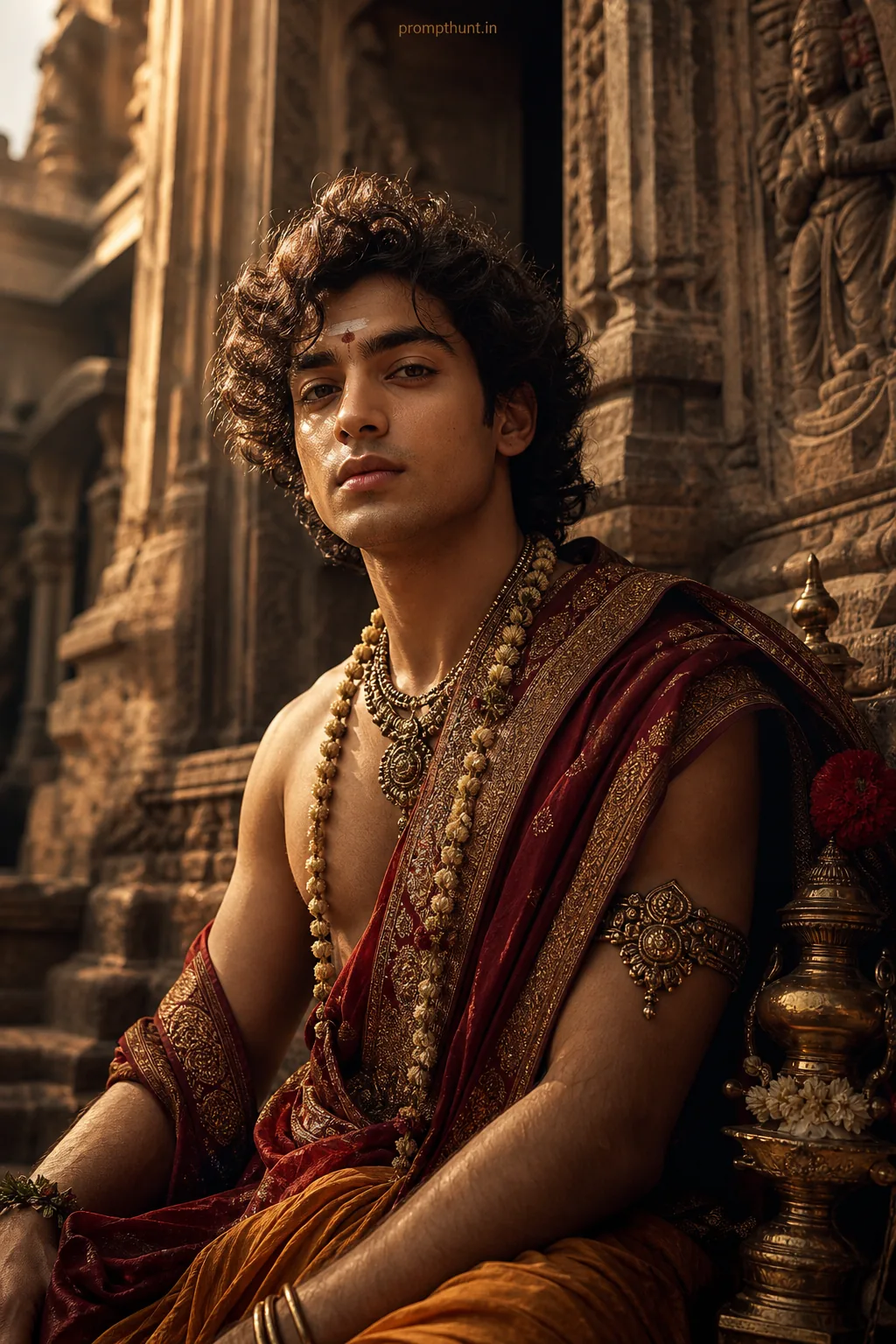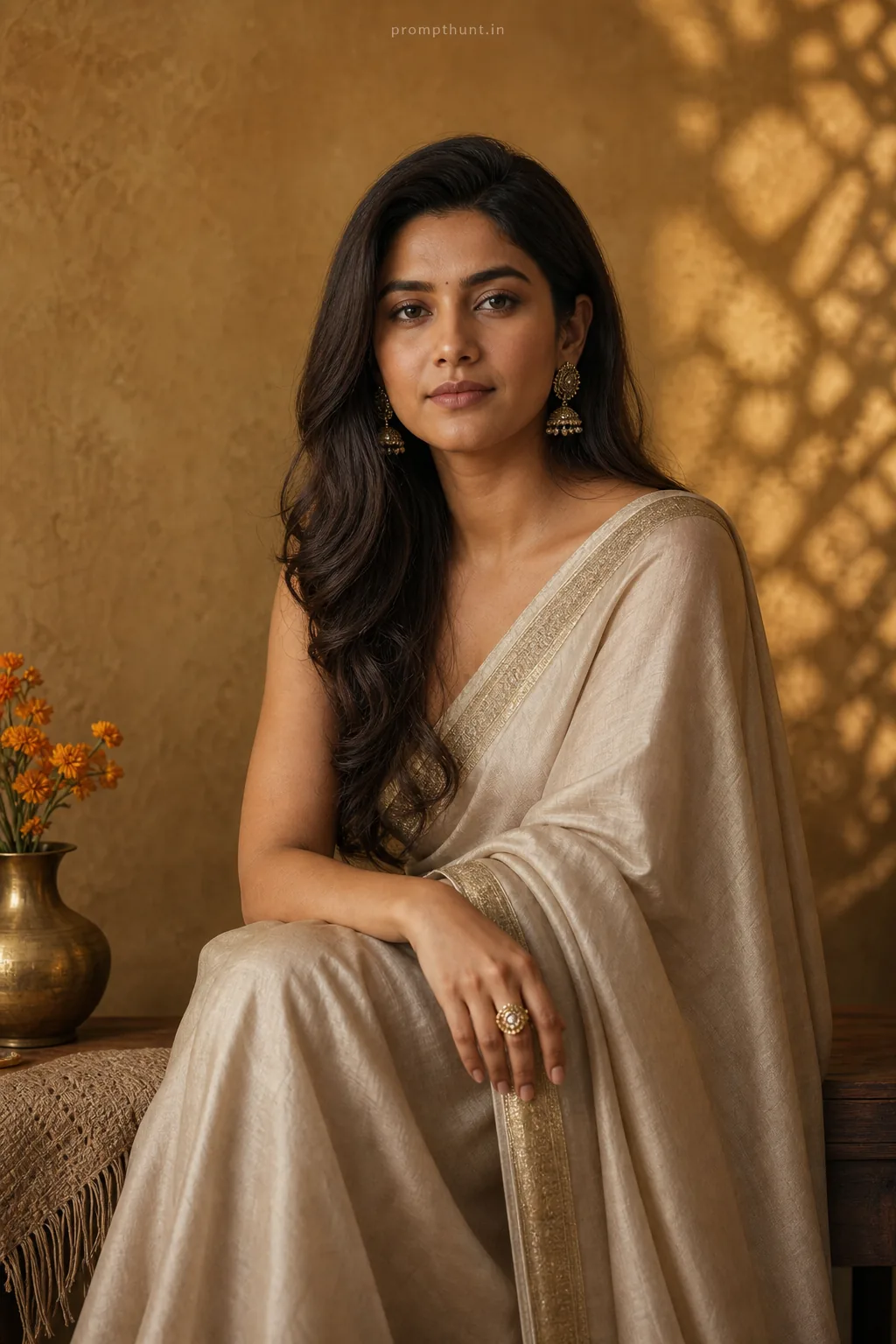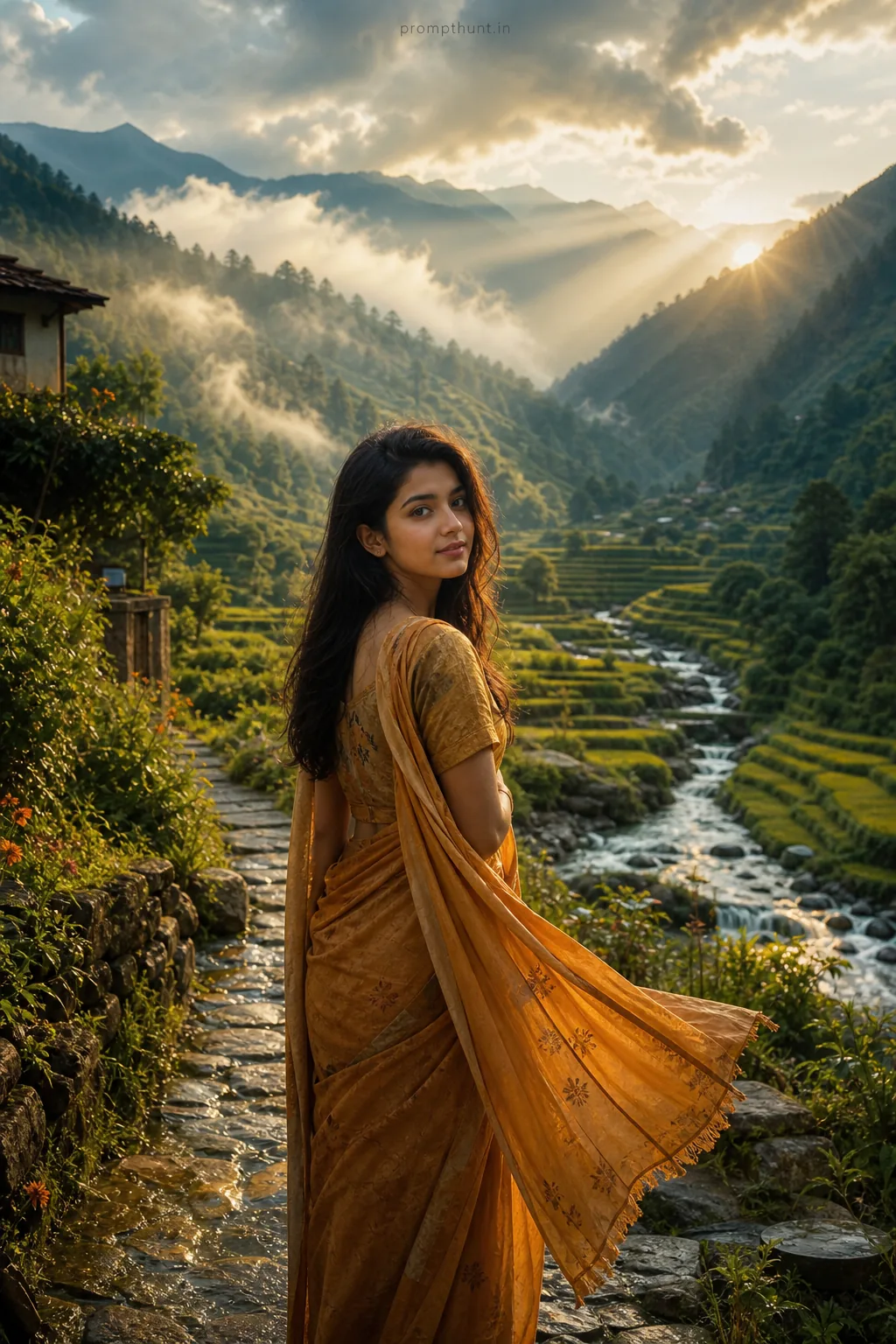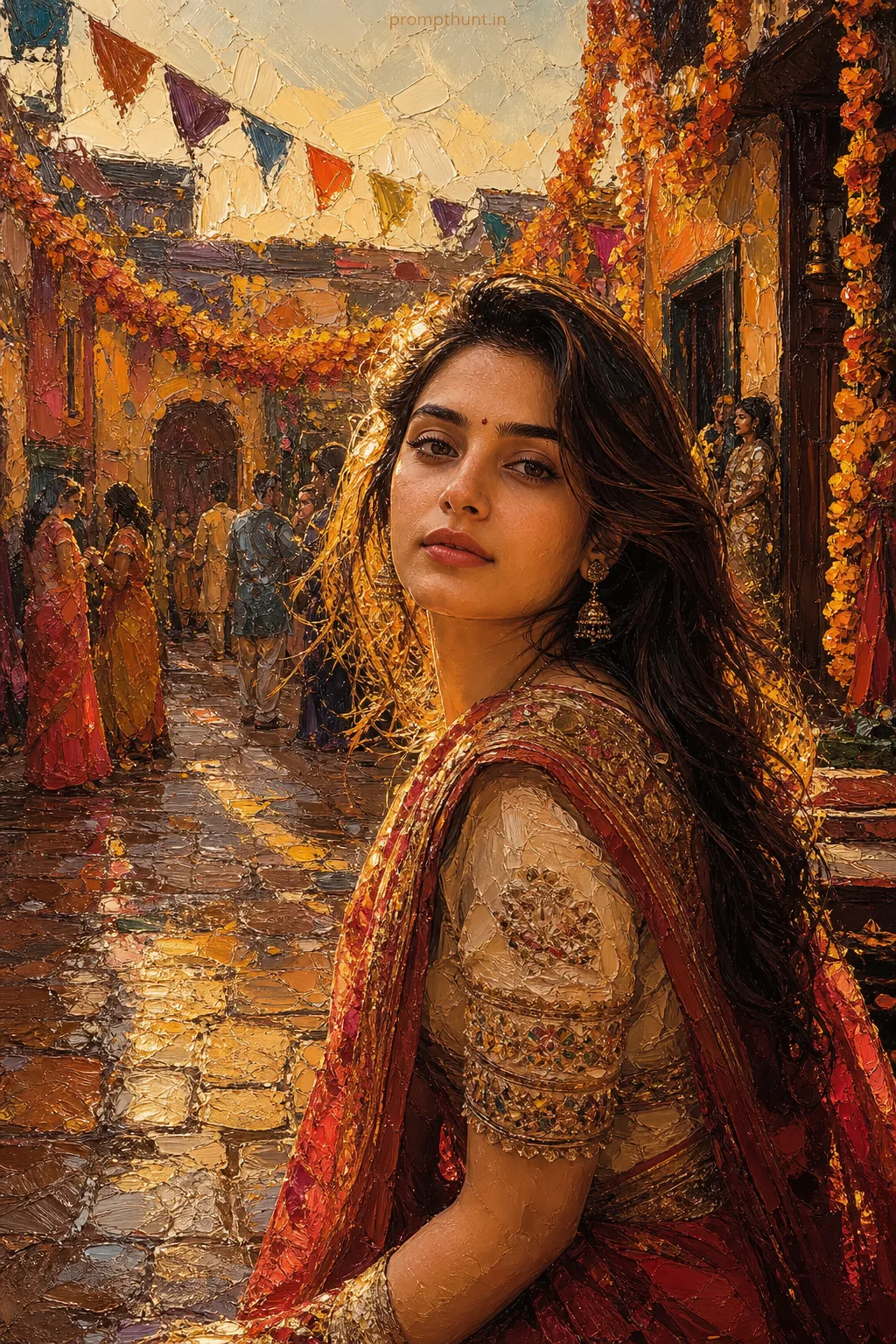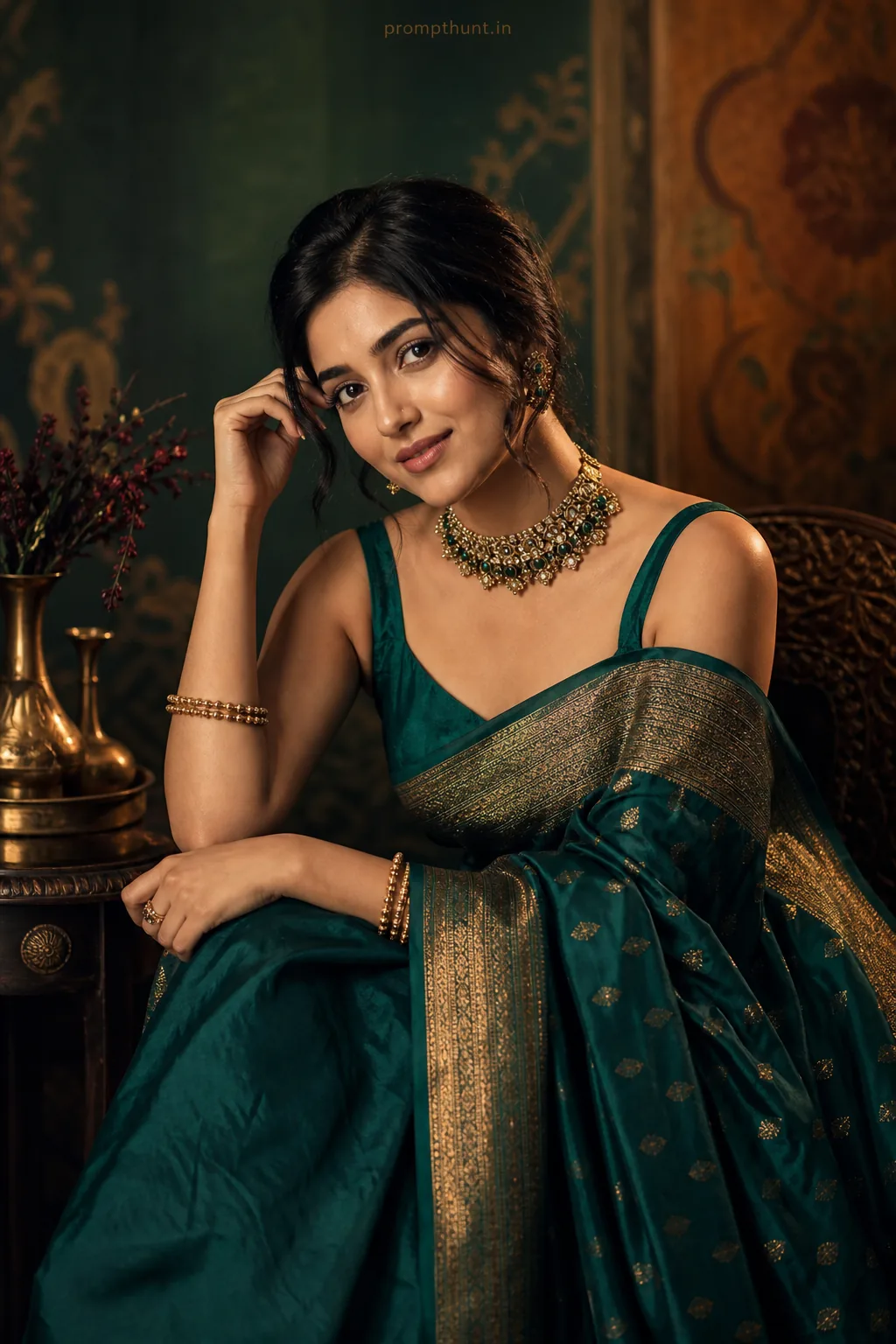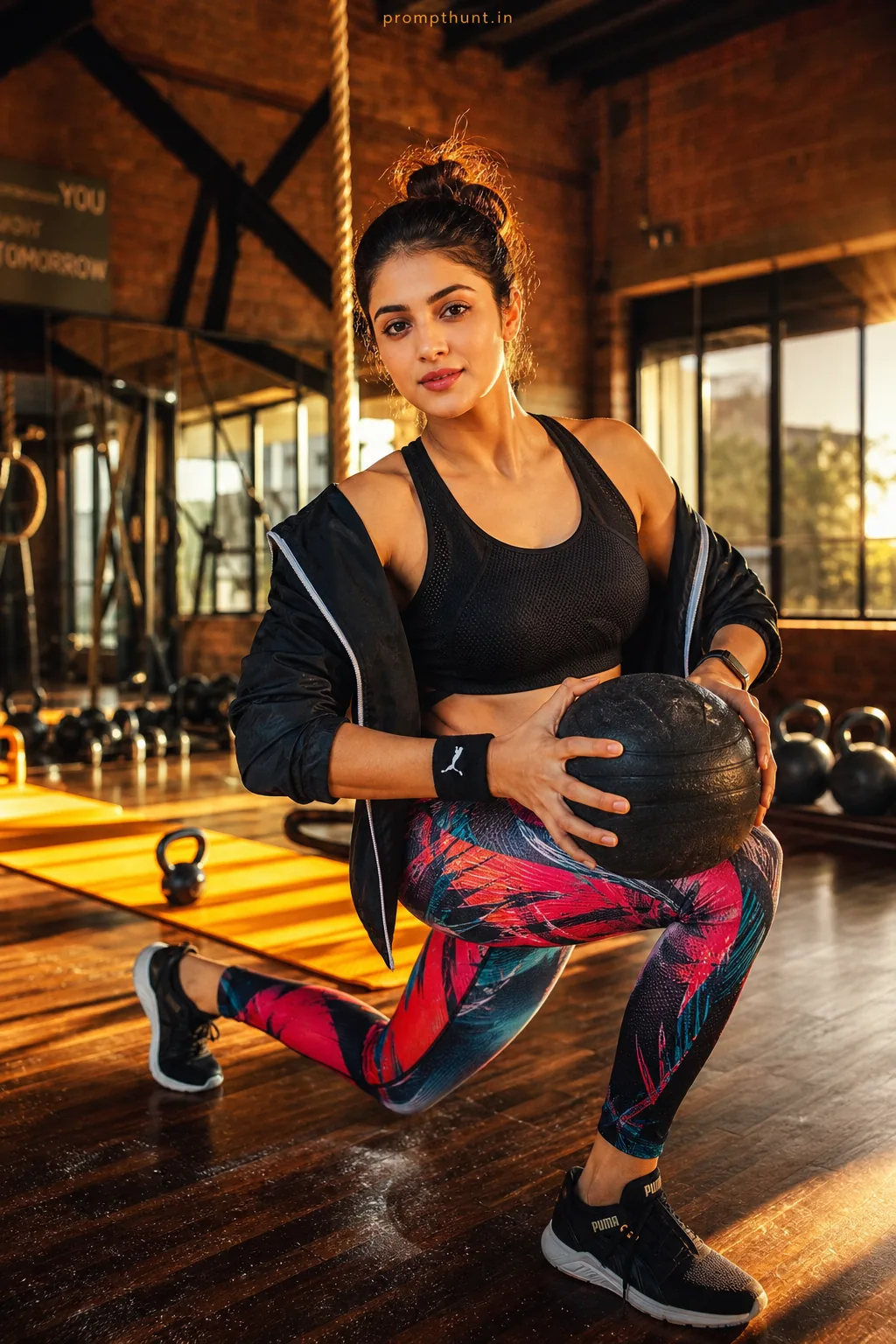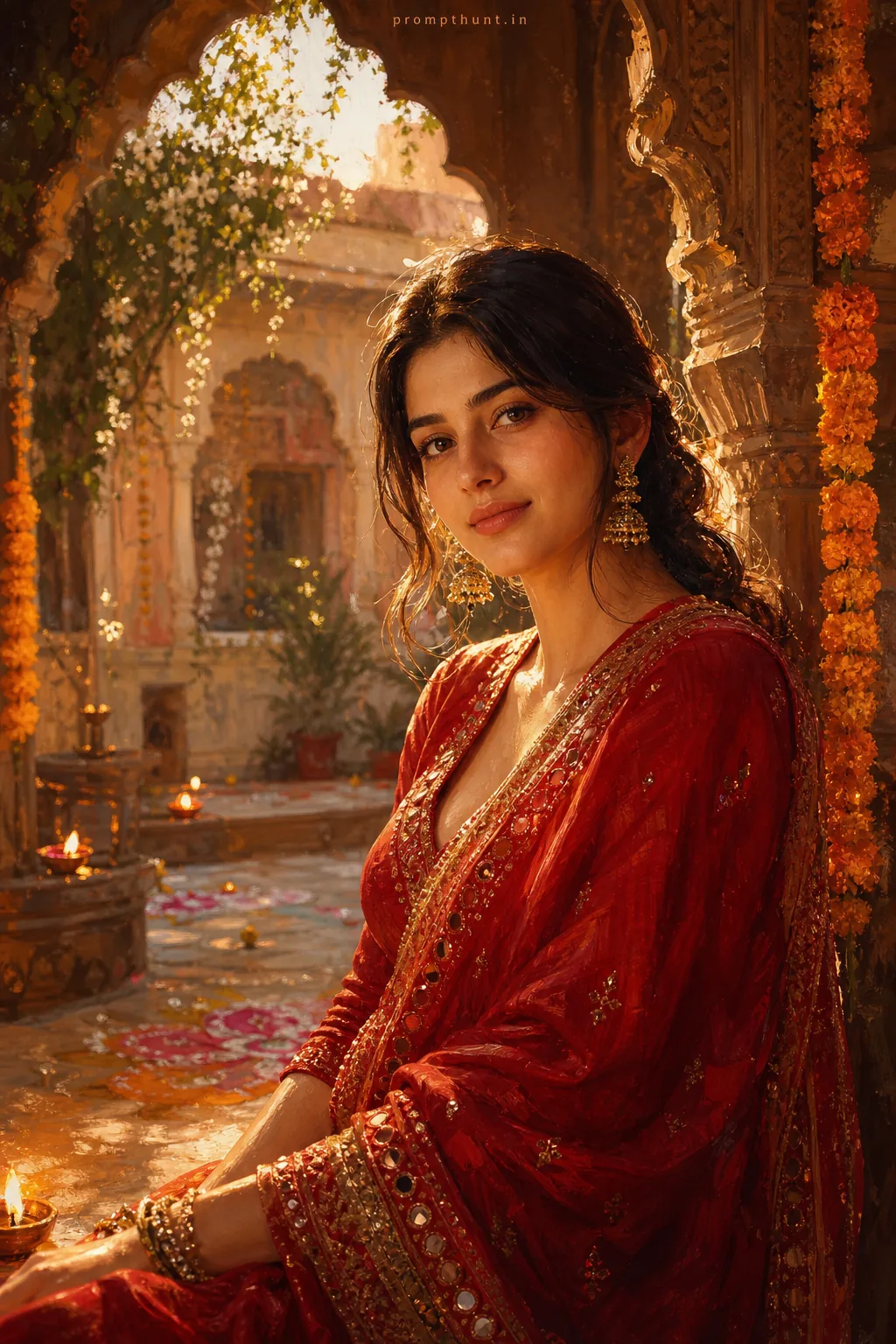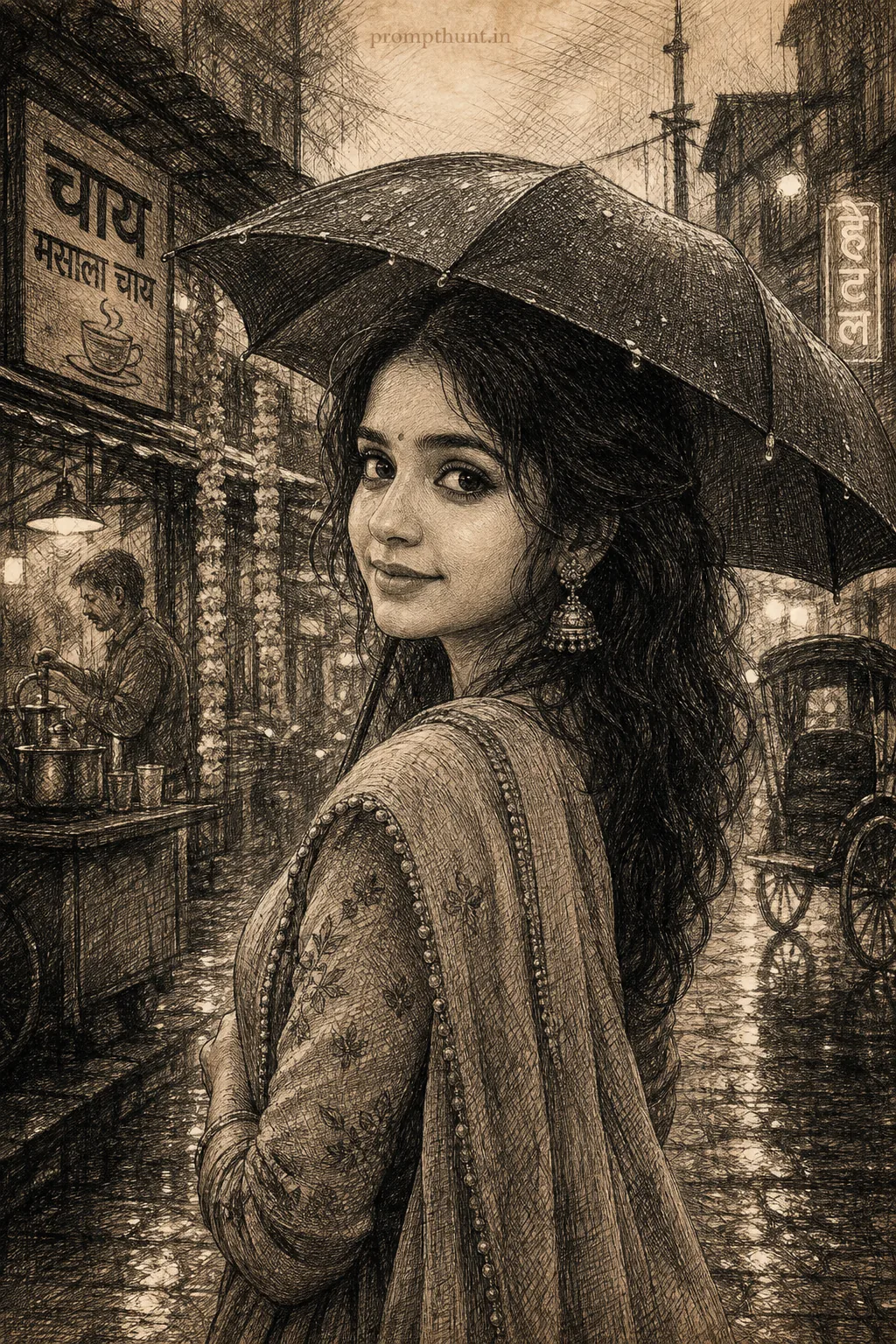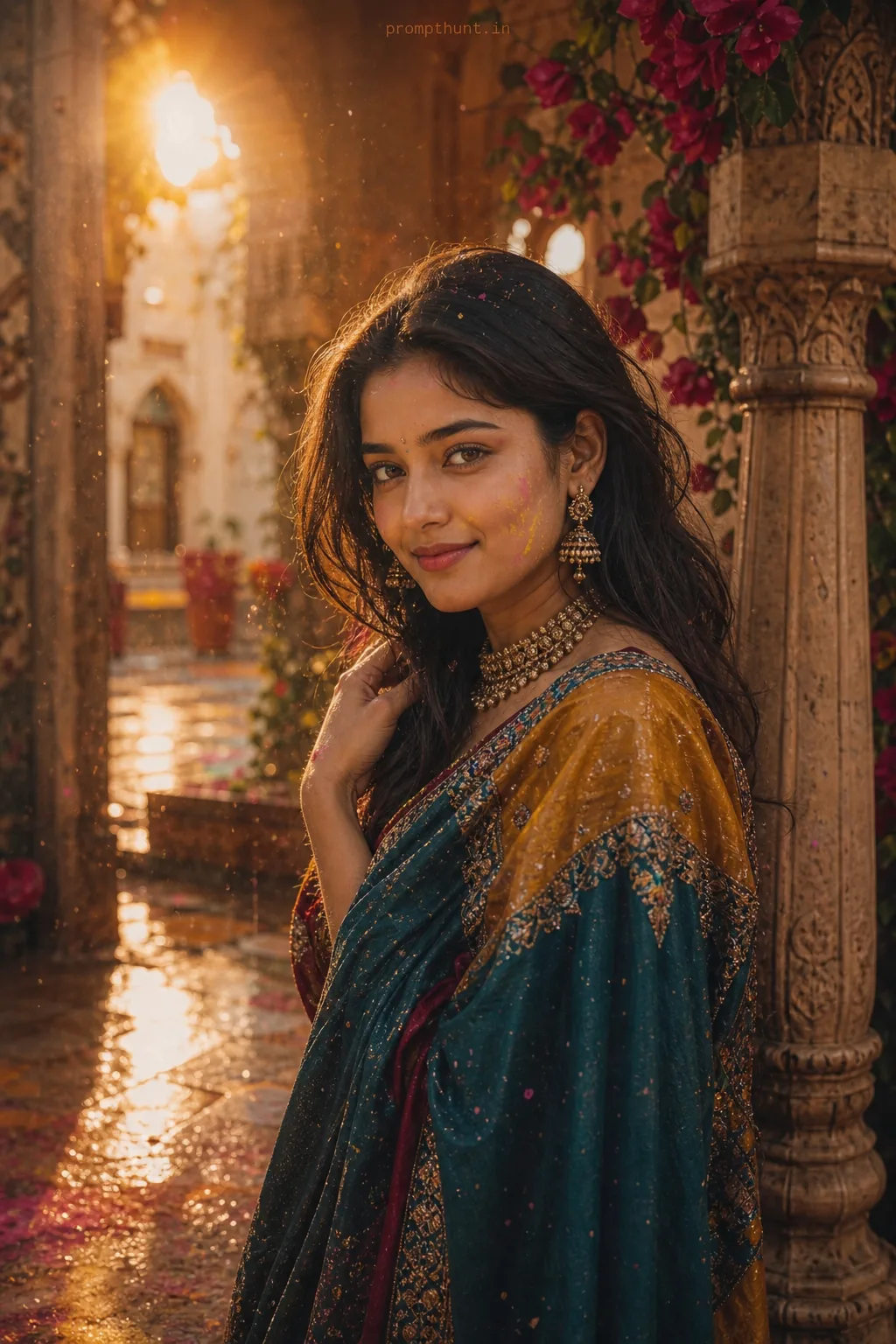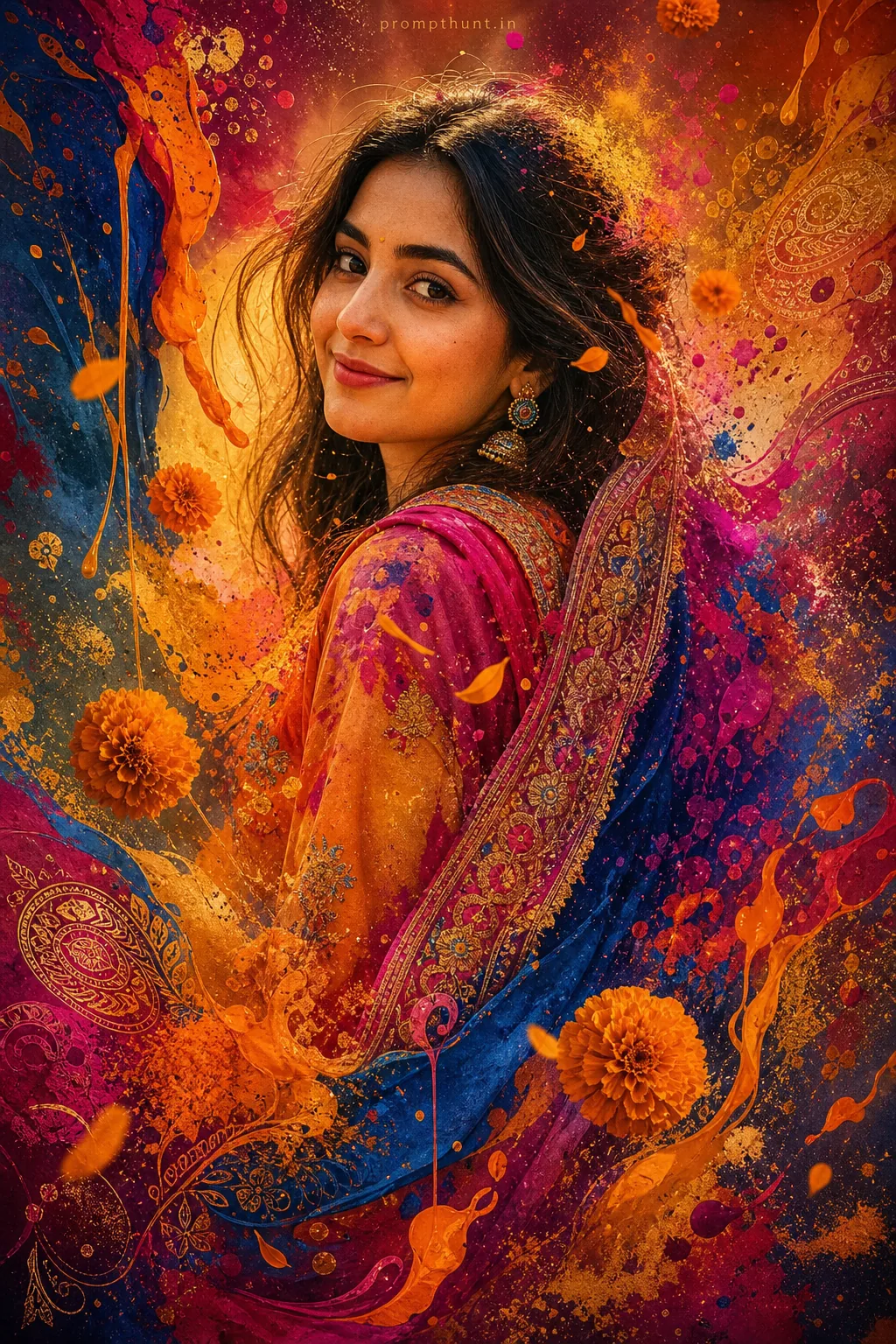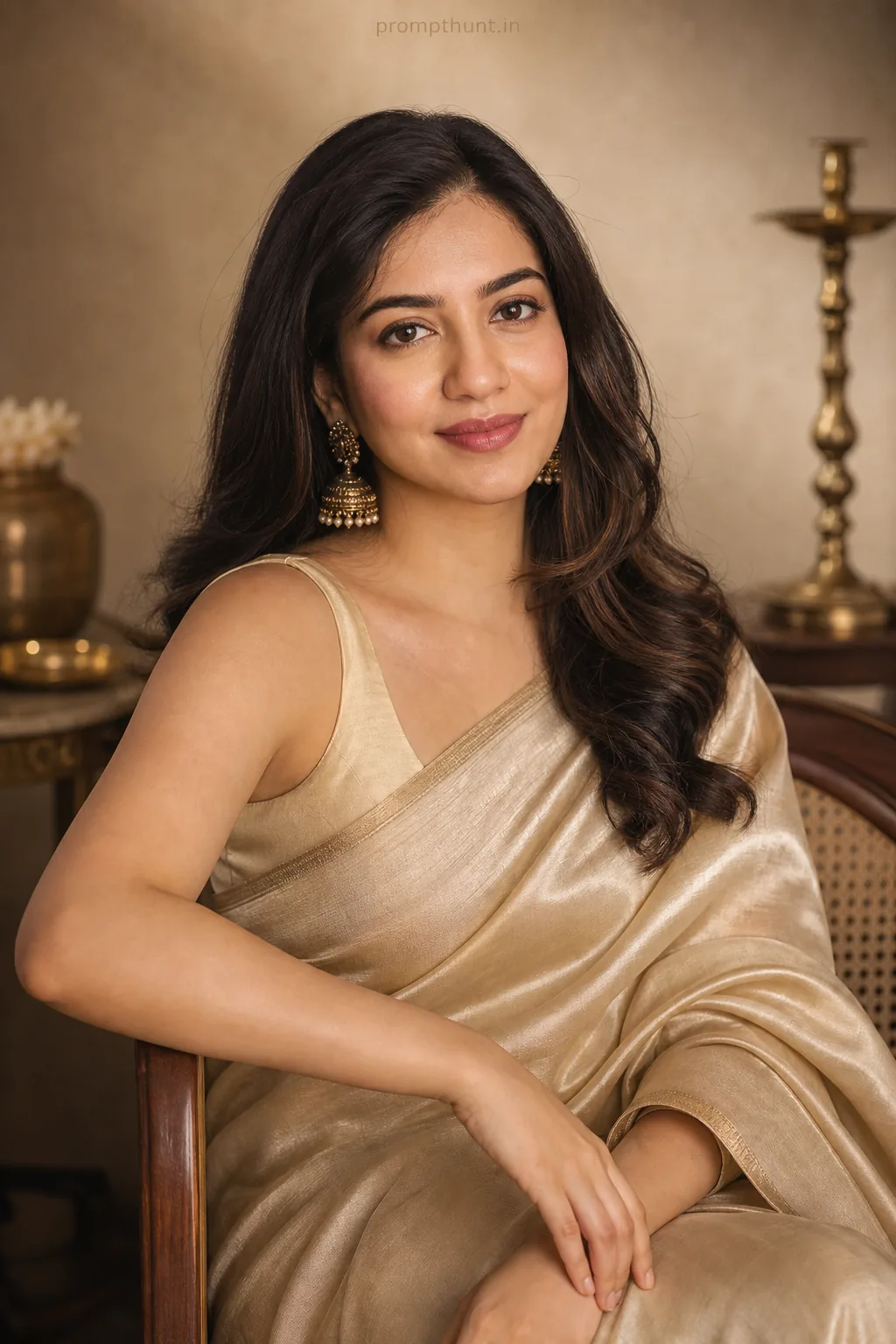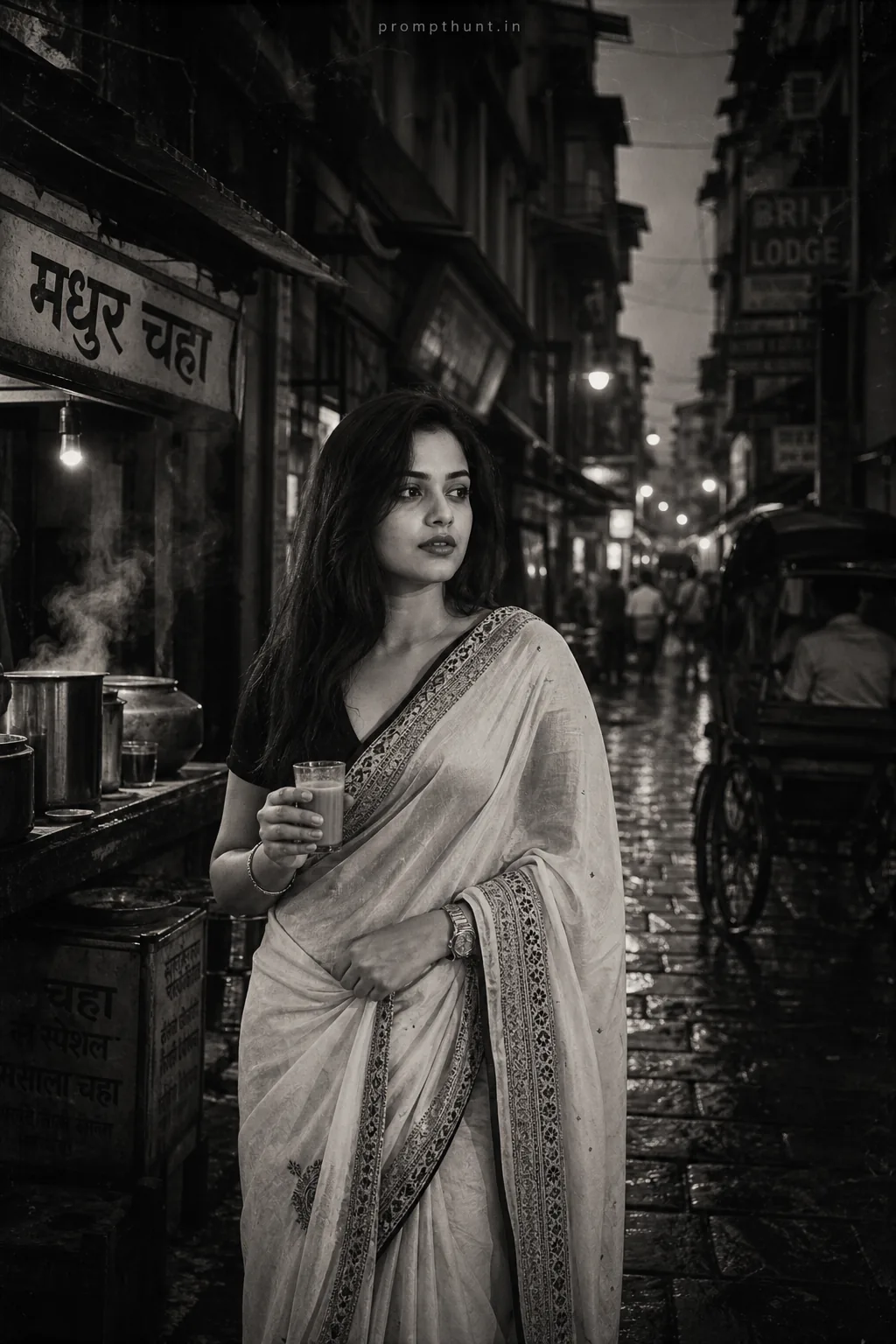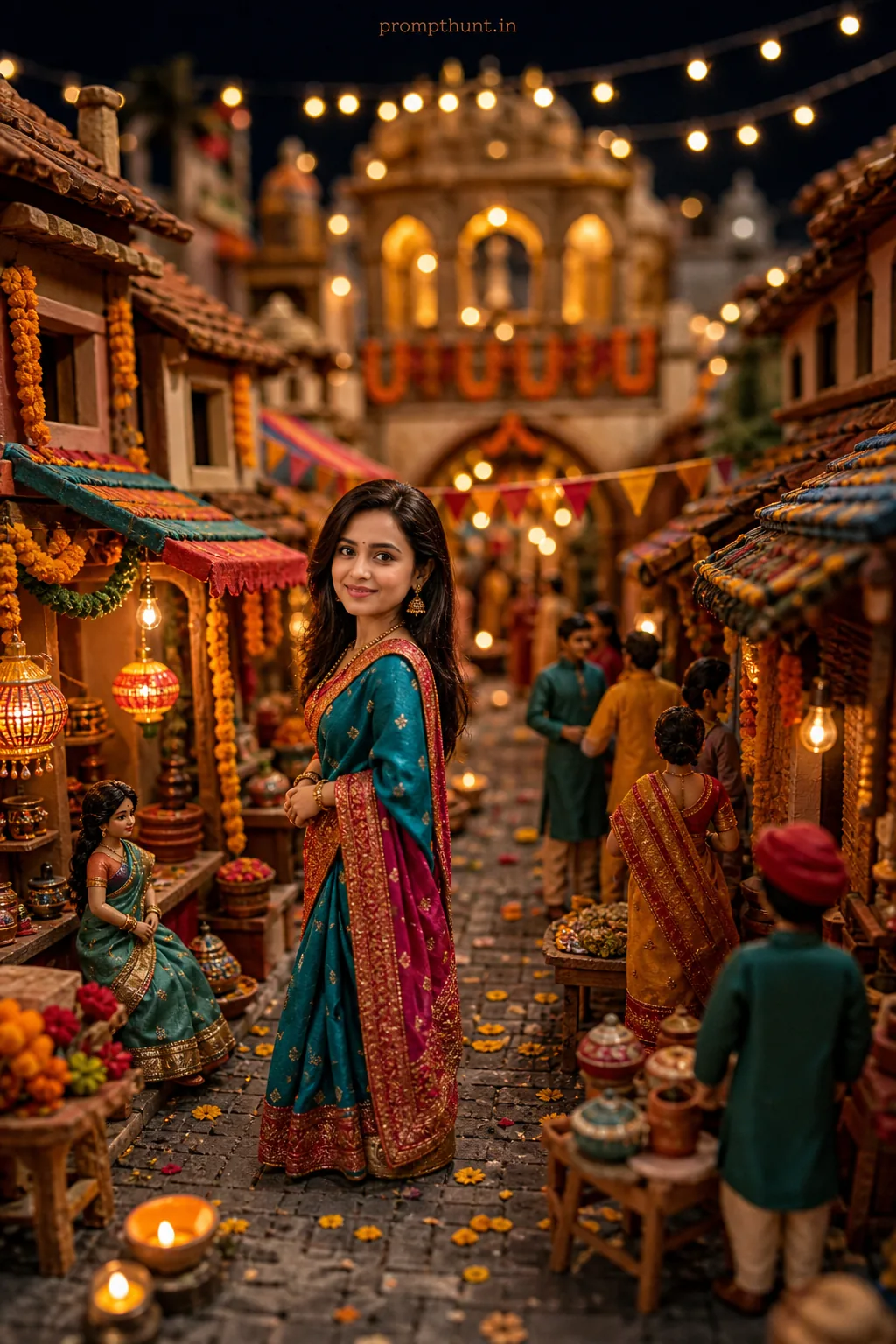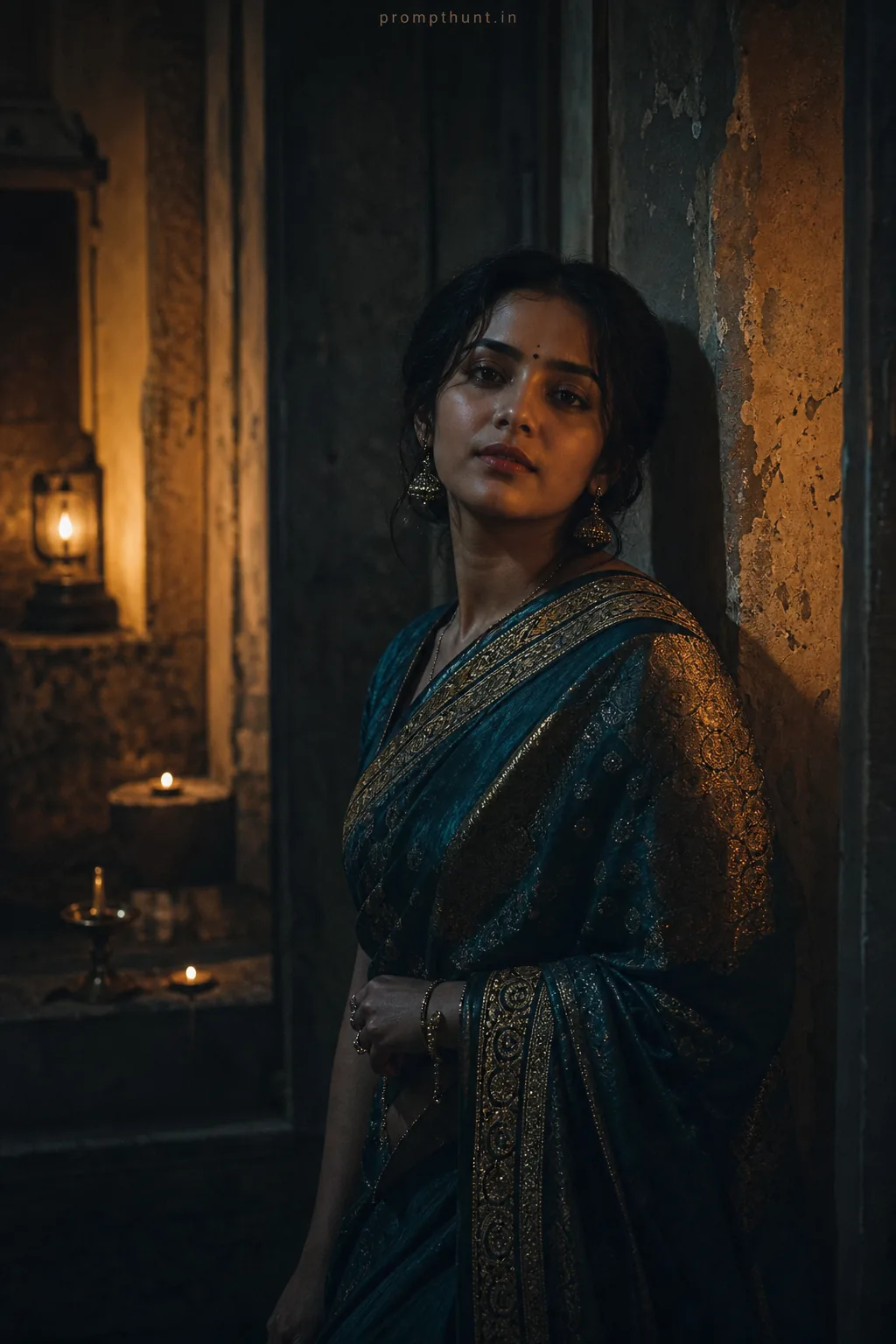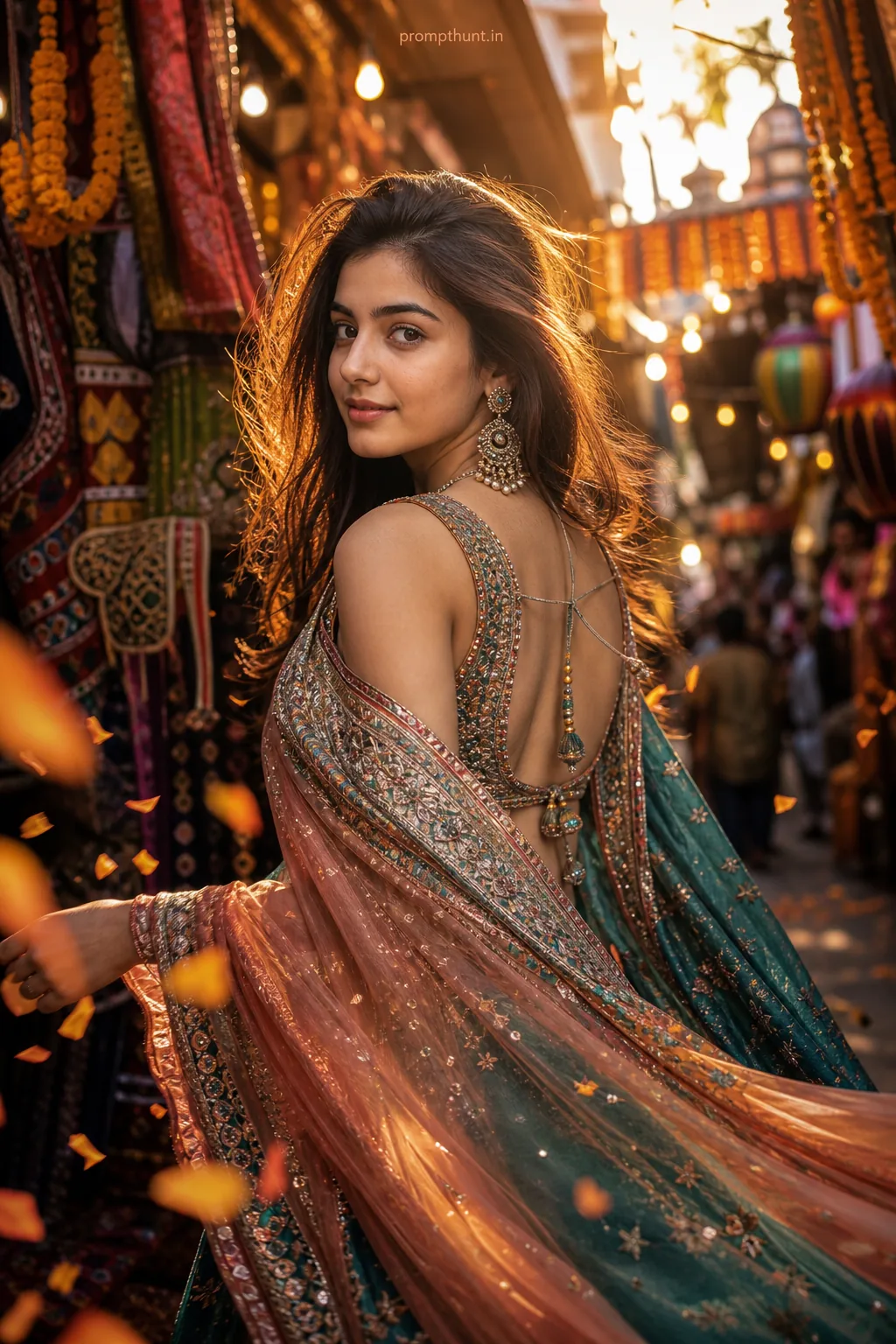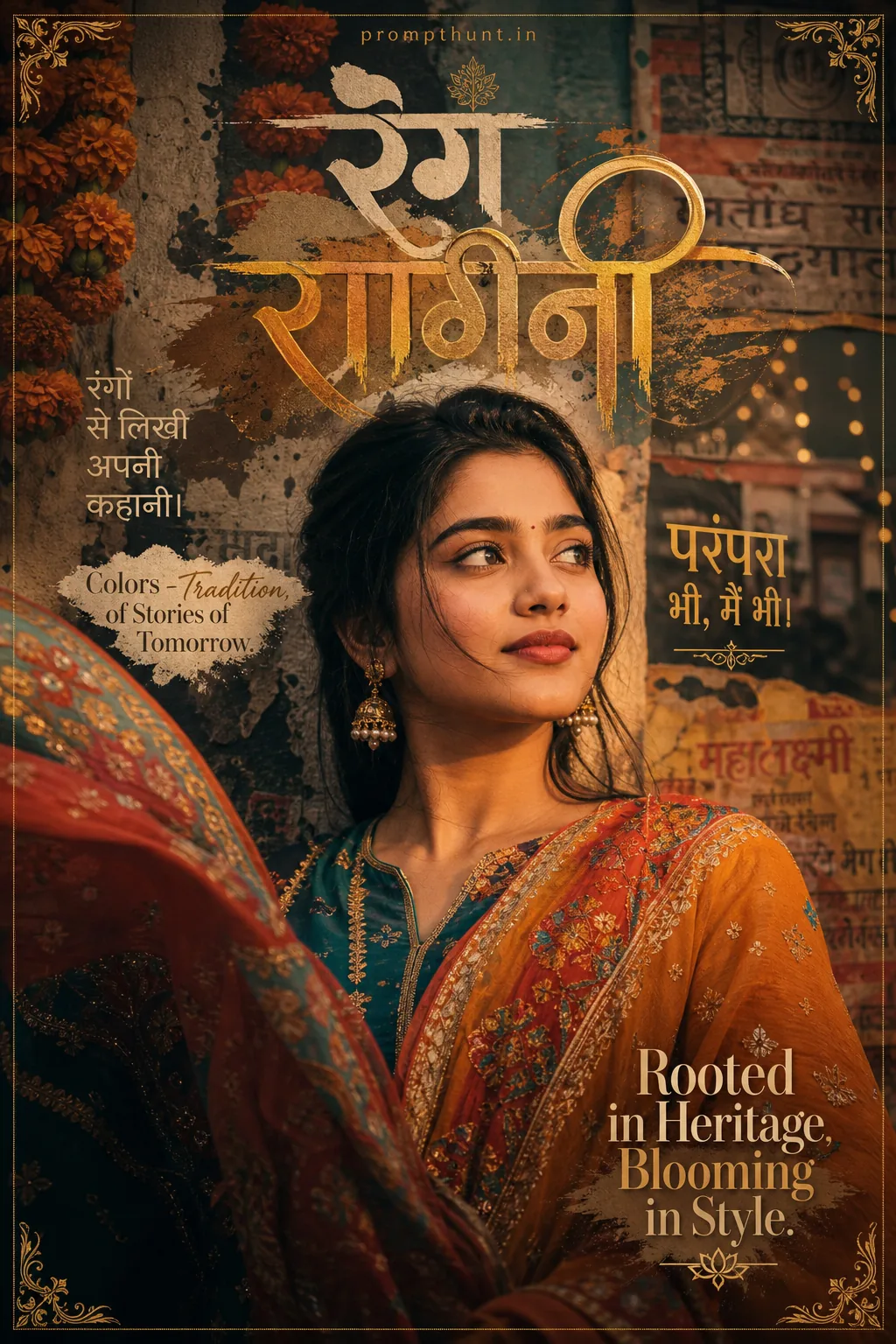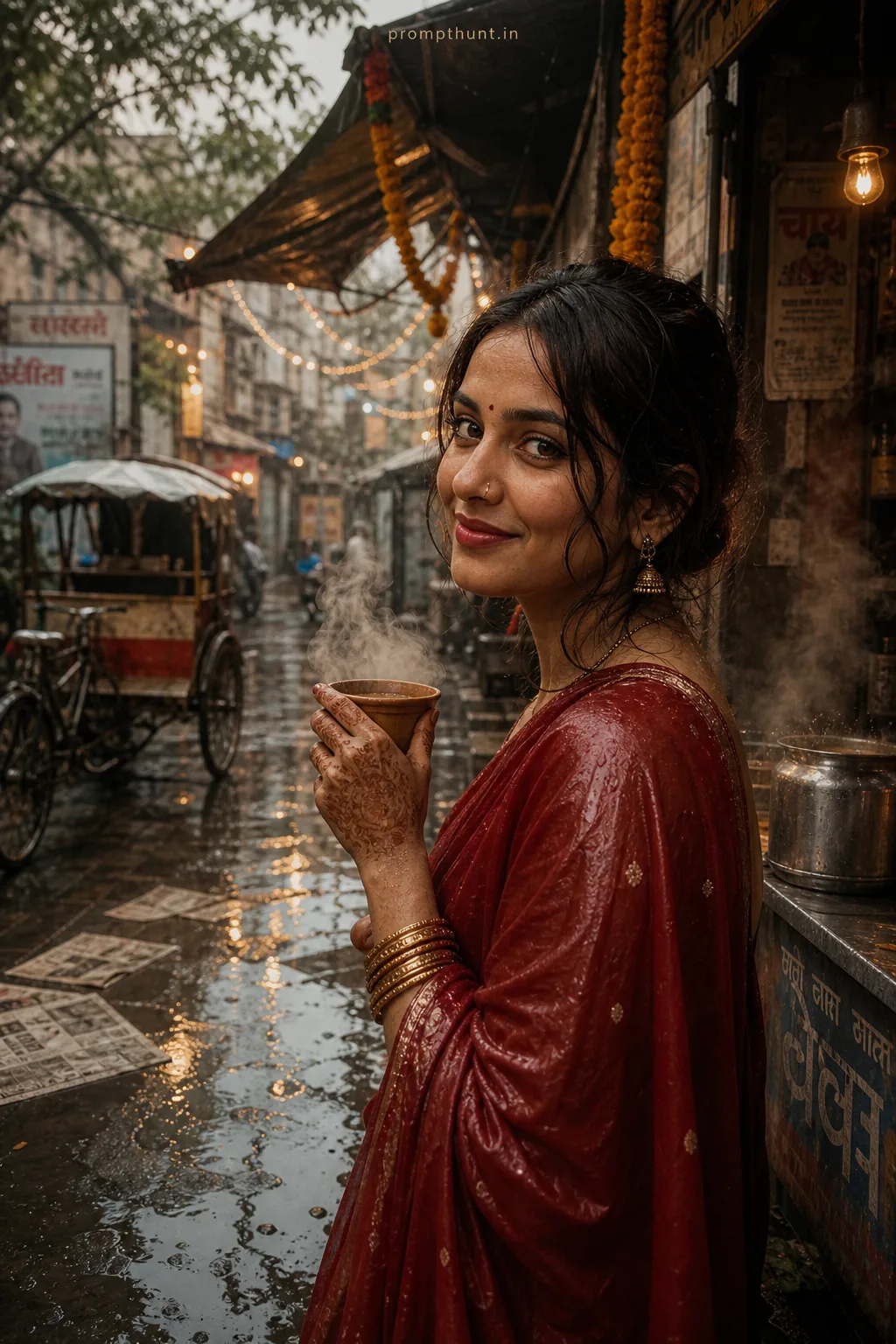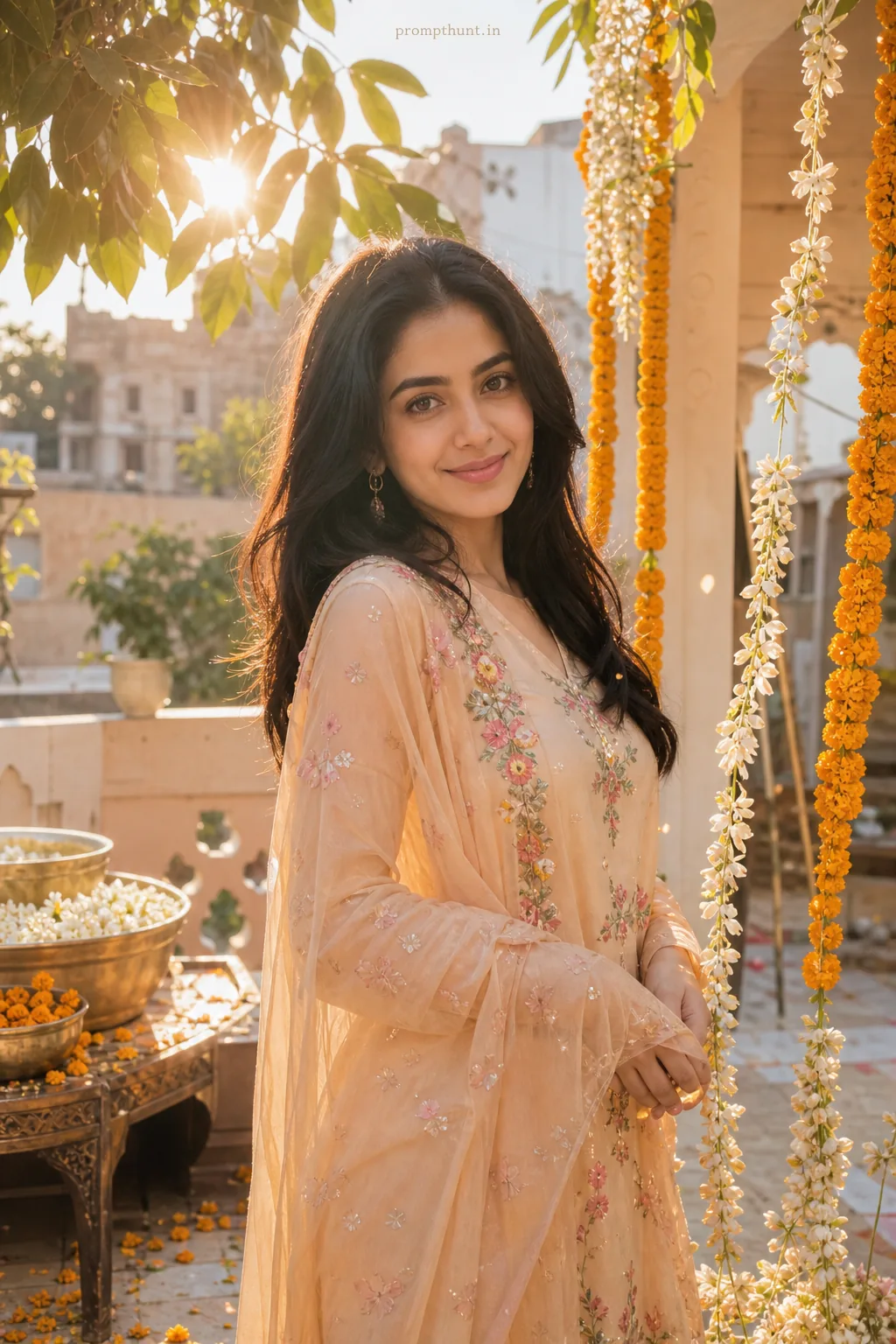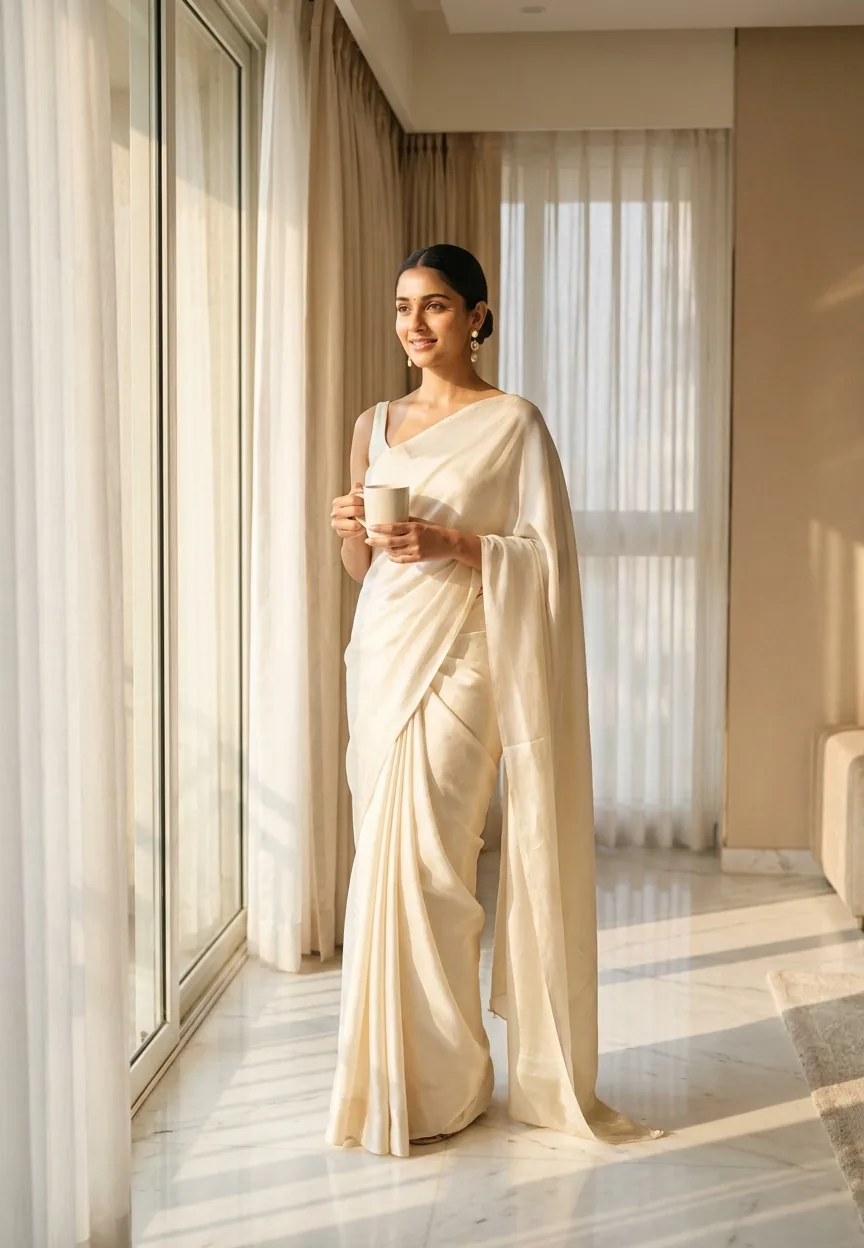
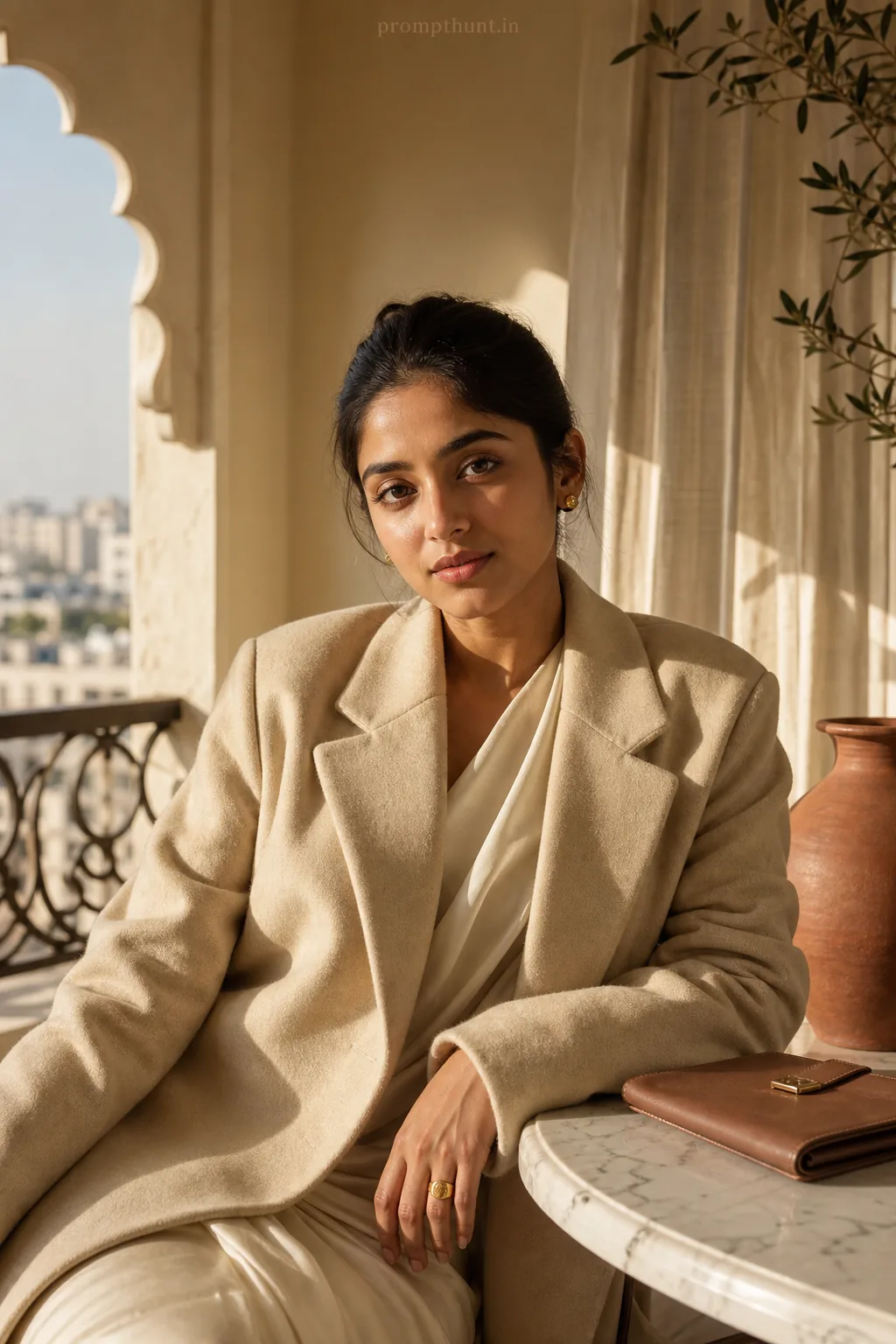
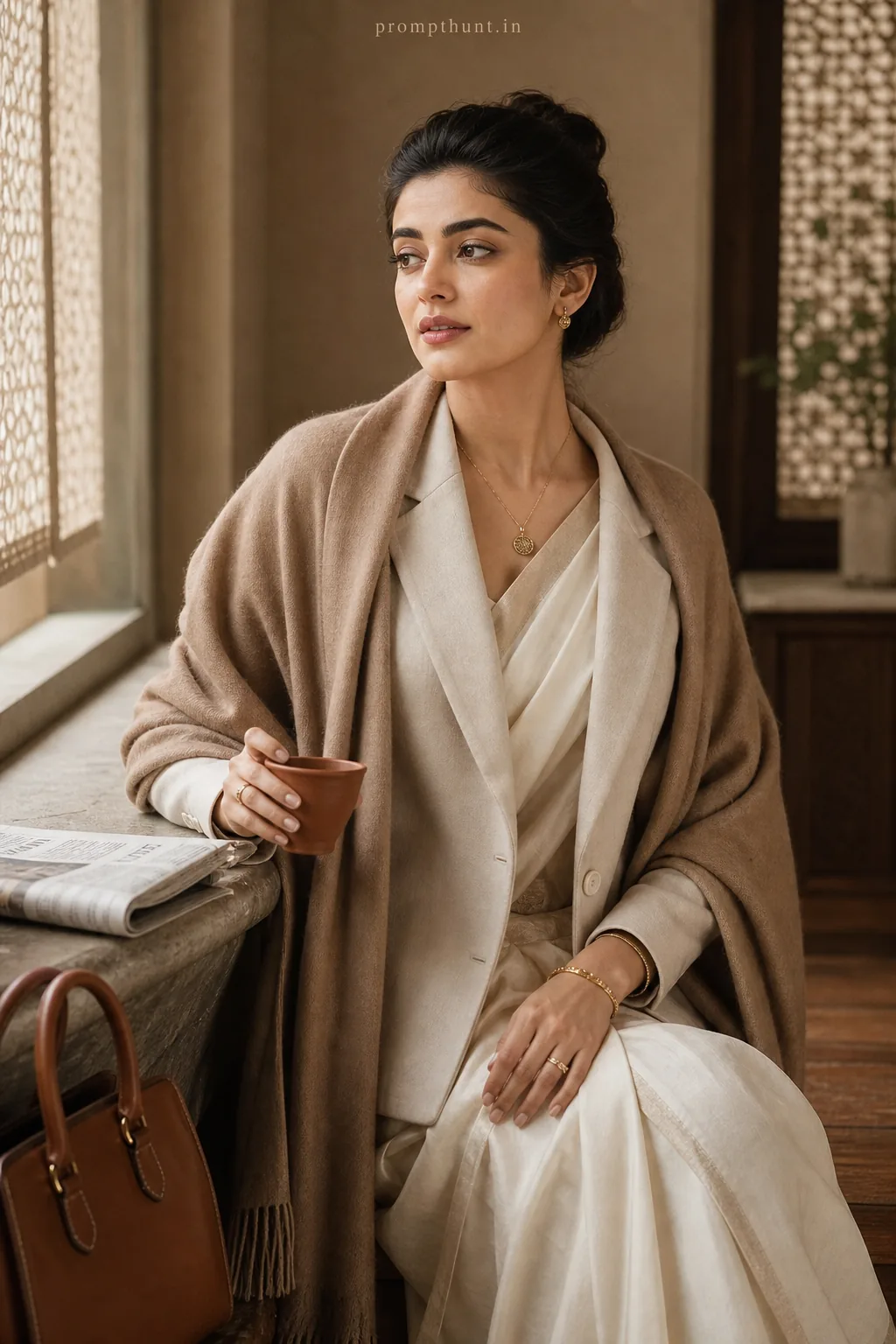
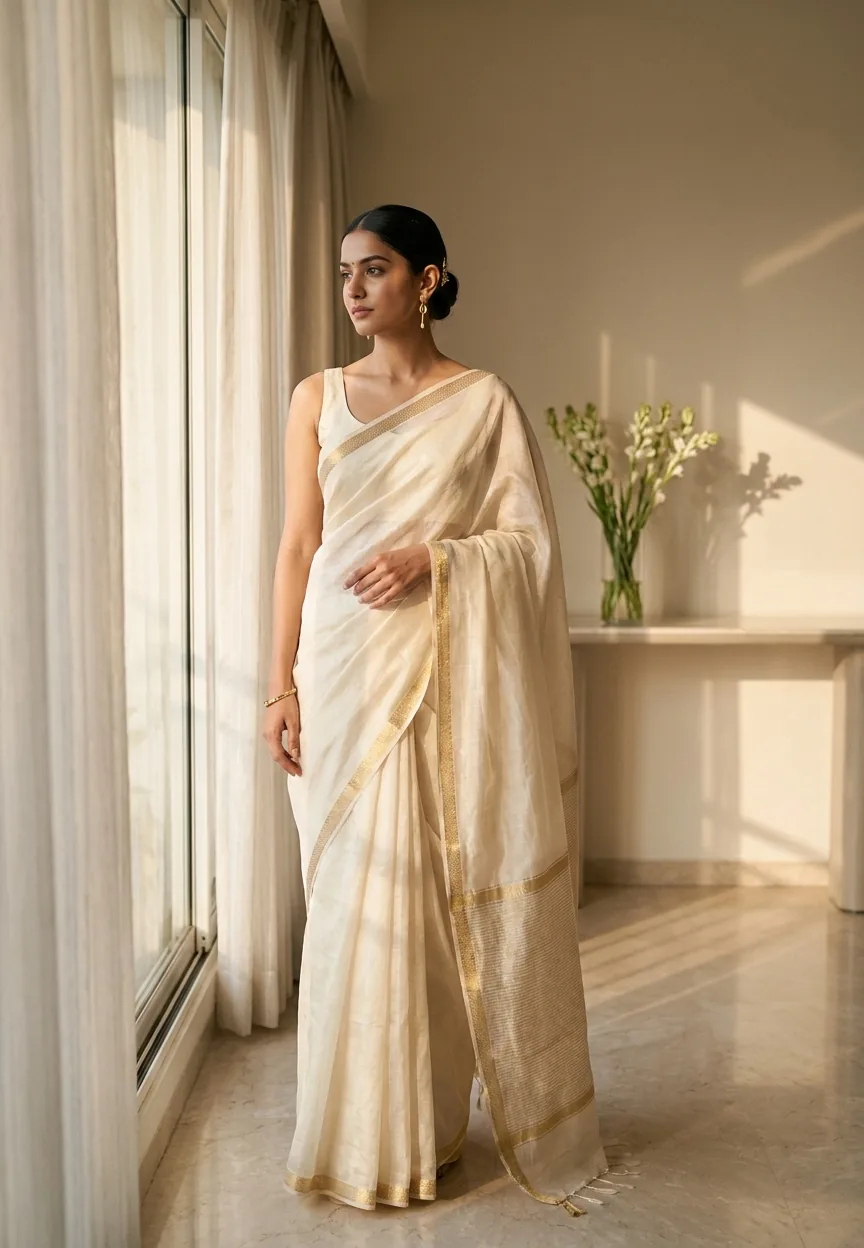

The Indian Quiet Luxury saree editorial prompt generates hyper-realistic, Vogue India-style AI portraits using Gemini. It combines a pristine ivory silk saree, natural dewy skin, golden morning light, and a minimalist Mumbai apartment to create editorial fashion imagery that looks like it cost a stylist, a photographer, and a Hasselblad to produce. It did not.
Quiet Luxury has been having a moment globally — think Succession wardrobes, The Row price tags, and the collective realisation that the loudest thing in the room is usually the least interesting. Now that aesthetic has arrived in Indian fashion AI prompting, draped in ivory silk and absolutely dripping in understated confidence. This prompt generates editorial portraits that sit somewhere between a Vogue India spread and a very expensive Sunday morning, and it is genuinely one of the most striking outputs you can pull from Gemini right now.
Paste this prompt into Gemini, keep the neutral palette intact, and you will get a hyper-realistic saree editorial that looks like it was shot on a Hasselblad — because the prompt says it was.
What Quiet Luxury Actually Means in AI Photo Editing
Quiet Luxury is a visual language, not just a fashion trend. The rules are simple: nothing loud, nothing branded, nothing that tries too hard. Every element earns its place by being exactly right rather than obviously expensive.
In AI photo editing, that translates to specific prompt choices. Neutral palettes. Natural light. Minimal embellishment. Skin that looks real rather than retouched within an inch of its life. The opposite of the maximalist AI portraits that were doing the rounds twelve months ago — you know the ones, gold everywhere, seventeen accessories, background that looked like a wedding cake exploded.
This Indian editorial version grounds the aesthetic in something specific and culturally resonant. The ivory silk saree is the hero. Not because it is covered in zari work or sequins — precisely because it is not. A plain silk saree, worn correctly, is one of the most quietly powerful garments on earth. Pairing it with the Quiet Luxury visual grammar creates something that feels genuinely editorial rather than generically glamorous.
The setting matters just as much as the clothing. A sun-drenched Mumbai apartment with polished white marble floors and sheer curtains is doing a lot of heavy lifting here. It says money without saying anything at all. Classic Quiet Luxury behaviour.
The Prompt — Copy It, Use It, Thank Me Later
A strikingly elegant Indian woman in her late 20s standing in a minimalist, sun-drenched Mumbai apartment with floor-to-ceiling windows, wearing a pristine ivory silk saree with zero embellishment, paired with understated 22k gold drop earrings and strappy beige heels, her dark hair pulled into a sleek low bun, skin glowing with a natural dewy finish, expression calm and effortlessly confident, holding a creamy ceramic coffee cup with both hands, soft morning golden light streaming through sheer white curtains casting long gentle shadows across polished white marble floors, neutral warm color palette of ivory, cream, champagne, and warm beige tones throughout, ultra-high-end editorial fashion photography aesthetic, shot on Hasselblad medium format camera, shallow depth of field, film grain texture, muted sophisticated tones, hyper-realistic skin texture, 9:13 vertical portrait format, Vogue India editorial style
How to Use This Prompt in Gemini — Three Steps, No Drama
First, open Gemini and make sure you are using the image generation feature. At the time of writing, Gemini 2.0 Flash and Gemini Ultra handle this prompt best. Older model versions will produce results, but the skin texture and light rendering are noticeably softer.
Second, paste the prompt exactly as written. Do not paraphrase it. Do not summarise it. The specificity is the point — "Hasselblad medium format camera" is doing different work than "professional camera." Every detail signals something to the model.
Third, generate two or three variations before settling. Gemini interprets light and composition slightly differently each run. The first output is not always the best one. Give it three attempts and pick the one where the morning light is landing correctly across the marble floor. You will know it when you see it.
If you want to tweak the output, the most effective single change is adjusting the time of day reference. "Soft morning golden light" gives you that warm 8am quality. Swap it for "late afternoon diffused light" and the whole mood shifts — slightly cooler, slightly more contemplative. Both are firmly within the Quiet Luxury register.
Tips for Getting the Best Results
Rule of thumb: protect the palette. The ivory-cream-champagne-beige range is what makes this feel cohesive. The moment you introduce a colour that does not belong in that family, the Quiet Luxury illusion breaks. No deep jewel tones, no pops of colour, no exceptions. The palette is the whole argument.
Keep the accessories exactly as specified. The 22k gold drop earrings are the only jewellery in this prompt for a reason. Add a necklace and you tip from restrained into overdressed. Quiet Luxury is allergic to "too much" — and frankly, so am I.
If Gemini is generating skin that looks over-smoothed or plastic, add the phrase "natural pores visible, authentic skin texture" to the end of the prompt. This nudges the model away from the hyper-perfected look that plagues a lot of AI portraiture and toward something that reads as genuinely photographic.
The film grain texture instruction is worth keeping even if you plan to print the image at large scale. It grounds the image in a photographic tradition that pure digital rendering lacks. Nine times out of ten, the grain is what makes a Gemini image feel like a real photograph rather than a very confident illustration.
For the vertical 9:13 format — if your platform requires a different ratio, regenerate rather than crop. Cropping a vertical editorial portrait almost always cuts something important. Let the model compose for the ratio you need from the start.
Why This Style Is Trending in India Right Now
Indian fashion content on social media has historically leaned maximalist — which makes complete sense given the richness of the tradition. Heavy embroidery, layered jewellery, bold colour. All of it genuinely spectacular.
But there is a generational shift happening. A younger urban audience is increasingly interested in the saree as a modern garment rather than purely a ceremonial one. Wearing a plain silk saree to a gallery opening or a Sunday brunch is a statement precisely because it requires no statement jewellery to justify itself.
AI prompting is reflecting that shift. Creators and fashion enthusiasts are using Gemini and similar tools to generate the editorial imagery that represents the aesthetic they want to see — and this particular prompt has spread quickly through Indian fashion communities because it gets the tone exactly right. It is aspirational without being unattainable. The apartment is lovely, but you can imagine living there. That is the Quiet Luxury trick.
The Vogue India editorial reference also gives the prompt a specific cultural anchor. It is not generic Western minimalism transposed onto an Indian subject. It is Indian minimalism, told in Indian terms, set in a specifically Indian city. That distinction matters more than it might appear.
An Honest Opinion — Because You Deserve One
This is a genuinely excellent prompt. The construction is tight, the references are specific, and it generates outputs that are consistently impressive. That said, let me tell you when not to use it.
Do not use this prompt if your project needs dynamism. The stillness is a feature of Quiet Luxury, not a bug — but it means the resulting image has almost no implied movement or energy. If you are creating content that needs to feel active, celebratory, or high-energy, this aesthetic will work against you. A wedding campaign, a festive collection launch, anything that needs joy and exuberance — go somewhere else.
Also worth saying: the prompt is specific to one kind of Indian woman, in one kind of setting, at one income register. That is its strength as an editorial concept, but it is a narrow slice. If your audience or project needs more diversity of environment, body type, age, or regional clothing tradition, you will need to substantially rewrite it. The bones are good — the Mumbai apartment and the ivory silk saree can be swapped out — but do not assume this one prompt covers the full range of what Indian fashion AI imagery can be.
The film grain and Hasselblad references produce beautiful results in Gemini, but every AI model handles camera simulation differently. If you take this prompt to Midjourney or Adobe Firefly, expect to recalibrate. The outputs will not be bad — they will just be different, and the Vogue India editorial quality specifically seems to land best in Gemini right now.
One more honest note: Quiet Luxury as an aesthetic is already past its cultural peak in Western fashion media. In Indian fashion AI content, it is having its moment now — which means there is a window, but it is not infinite. Use it well while the aesthetic still feels fresh rather than familiar.
The Bottom Line
The Indian Quiet Luxury saree editorial prompt is one of the most refined AI photo prompts circulating right now. It is specific, culturally grounded, and consistently produces editorial-quality results in Gemini. Protect the palette, trust the film grain, give it three attempts, and do not add a necklace. The ivory silk saree has stood on its own for centuries — it does not need your help. Neither, as it turns out, does this prompt. You could say it's got the whole thing wrapped up.