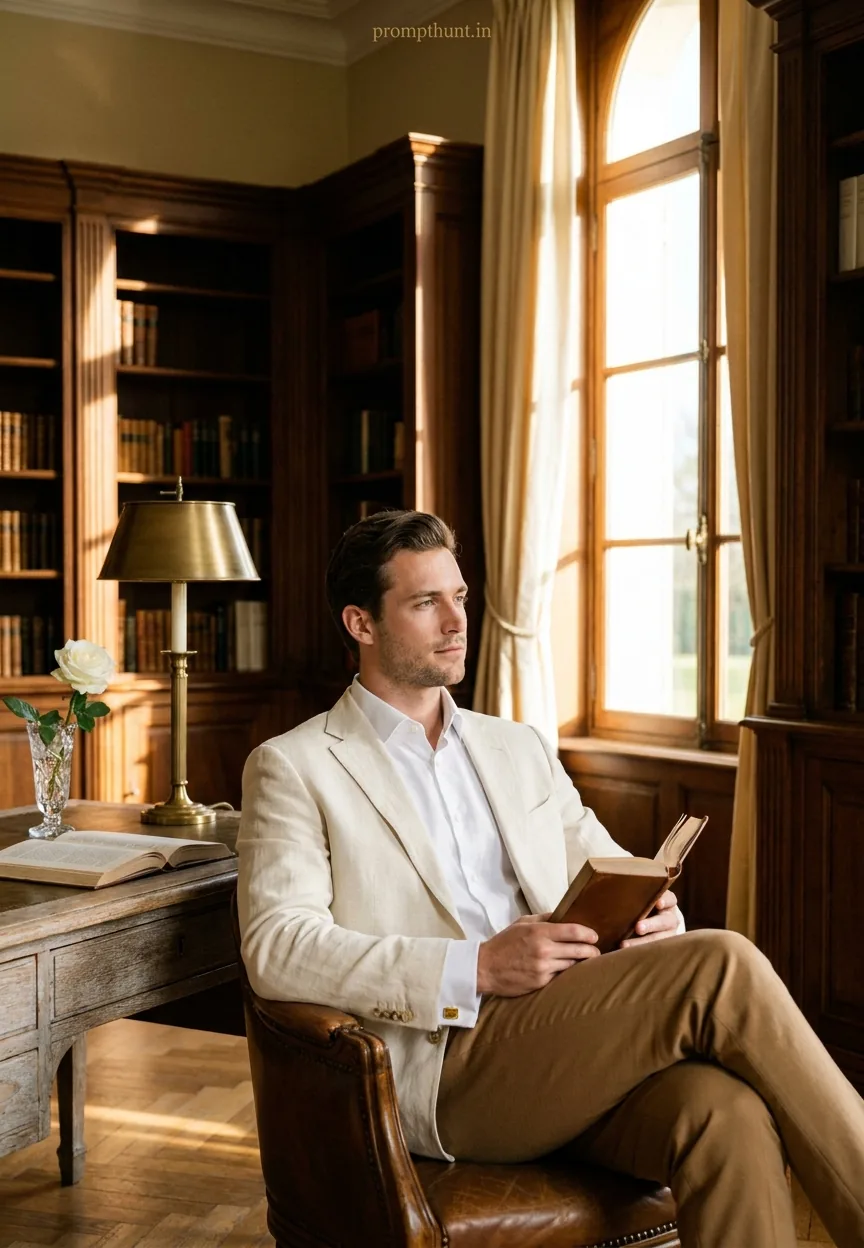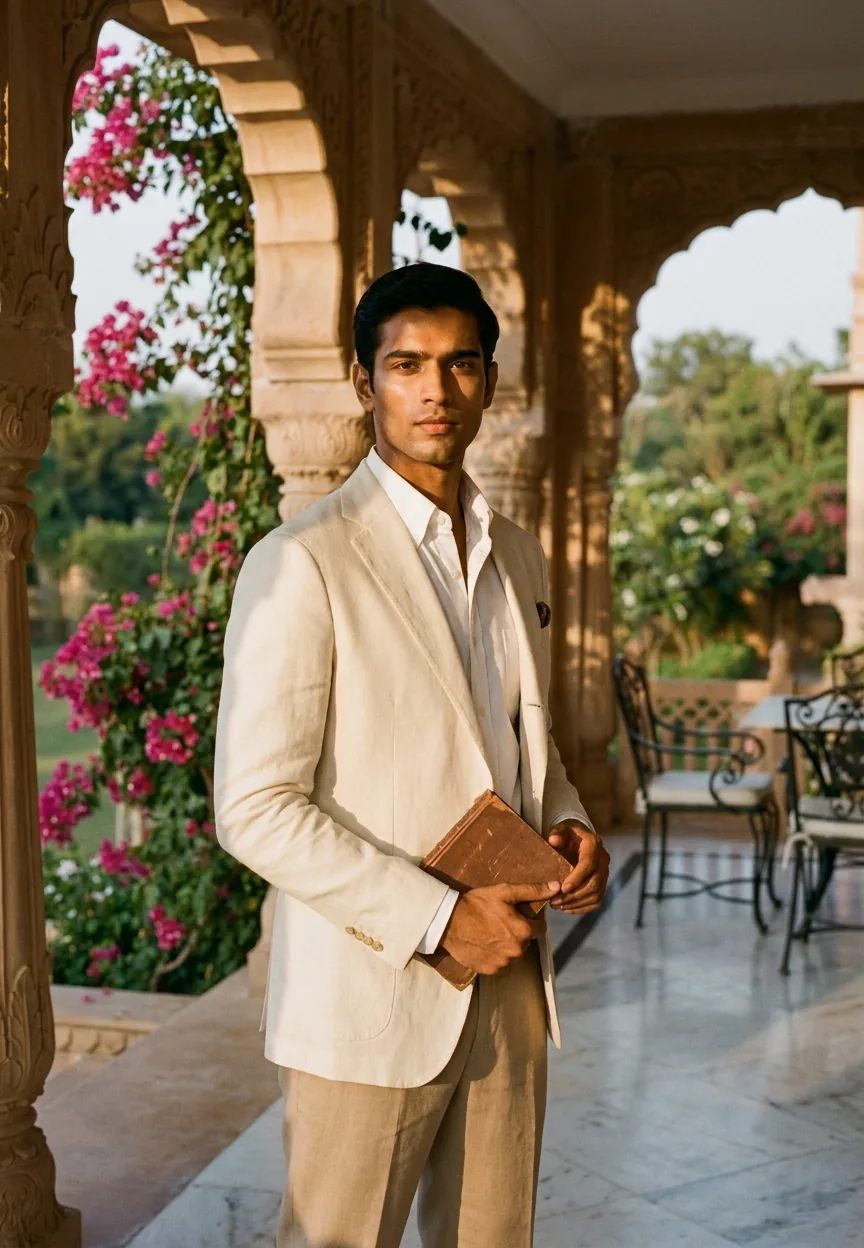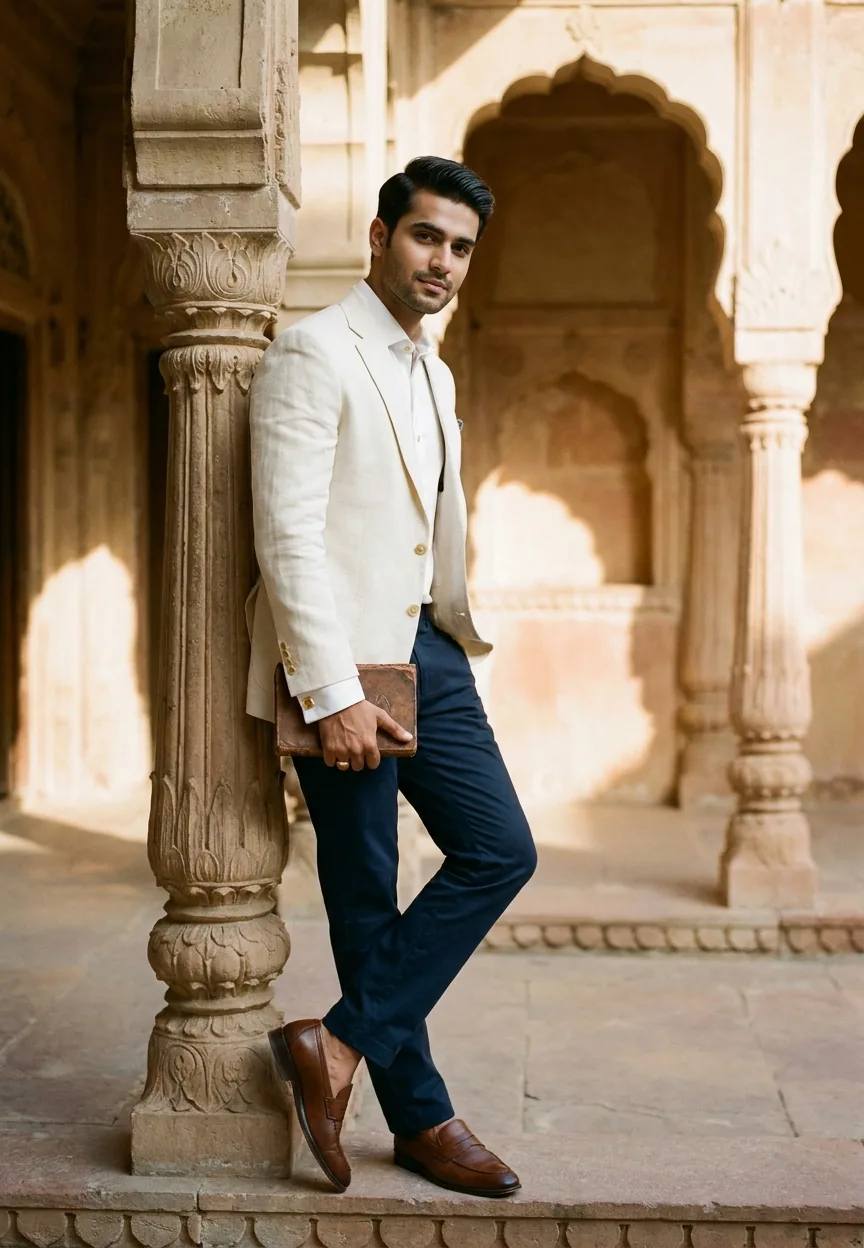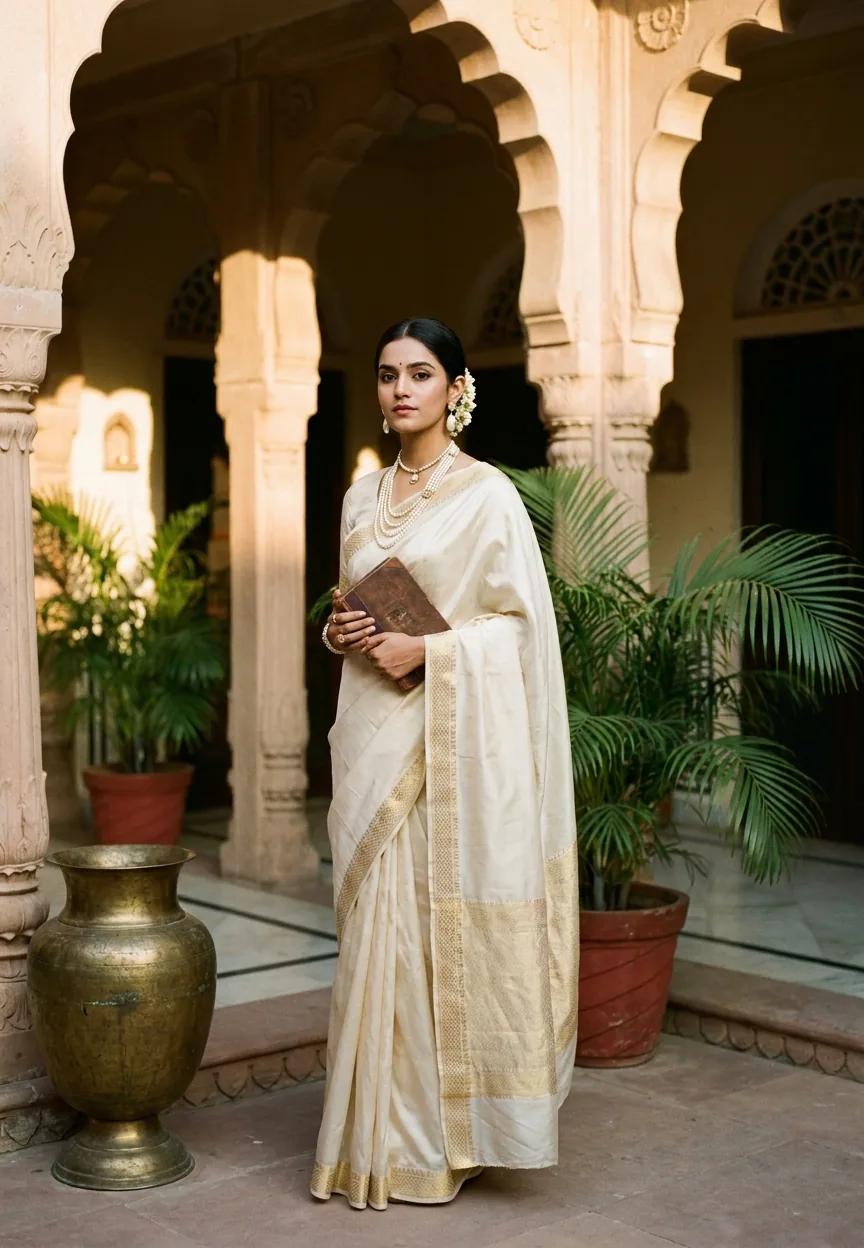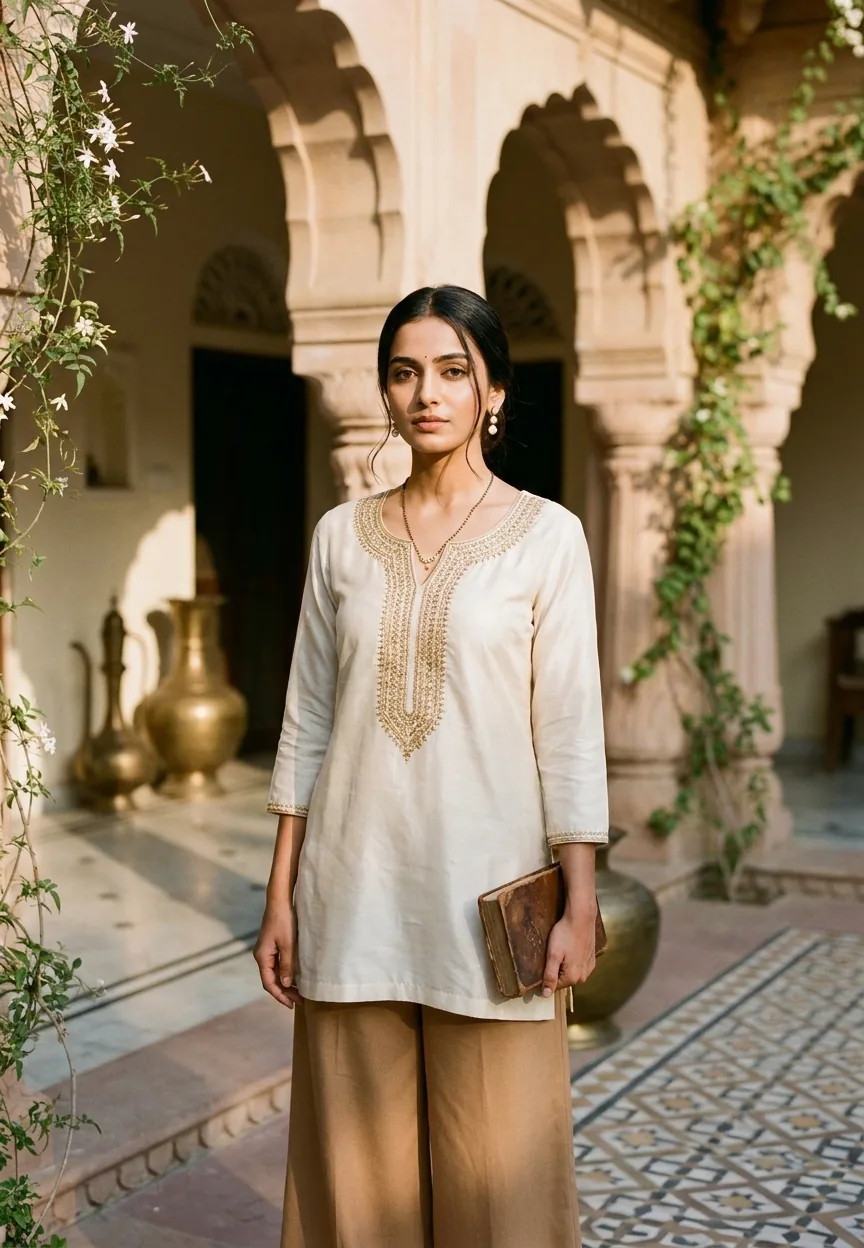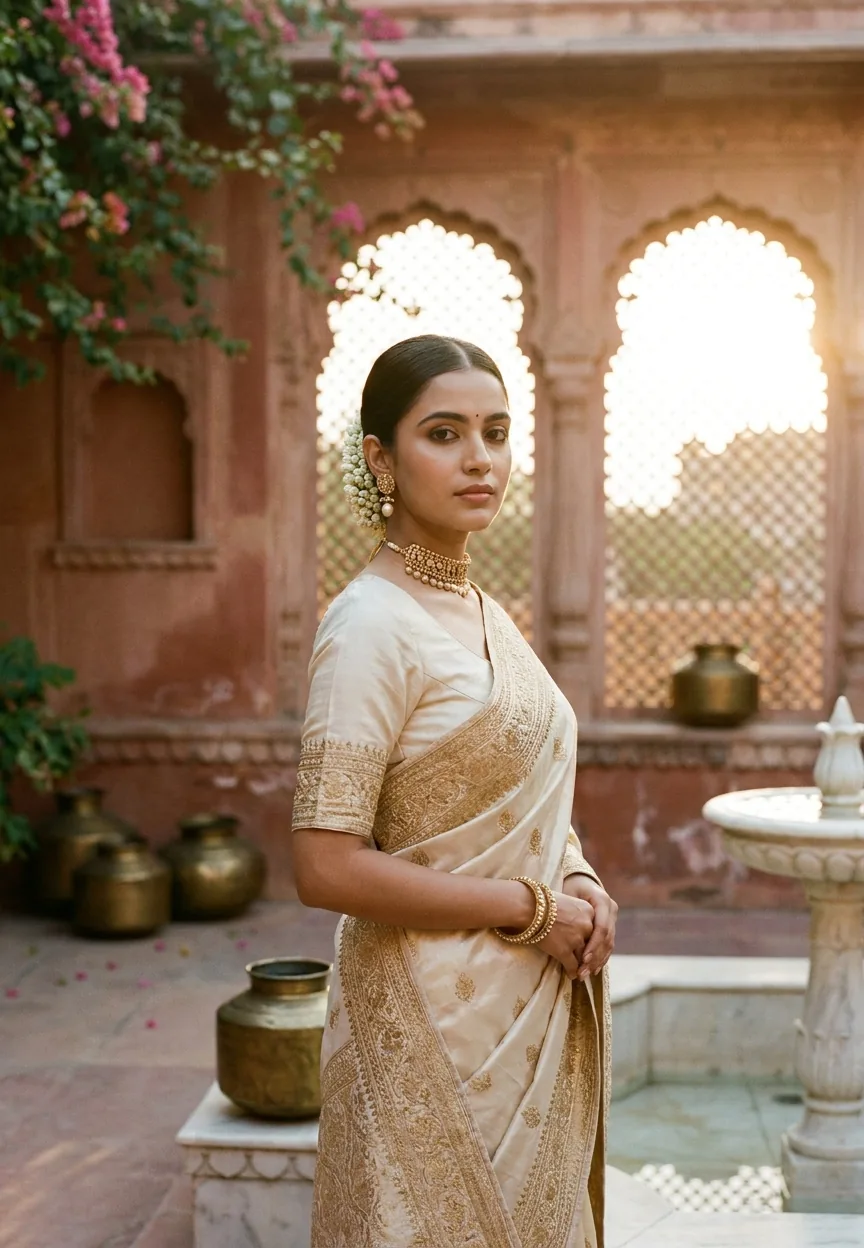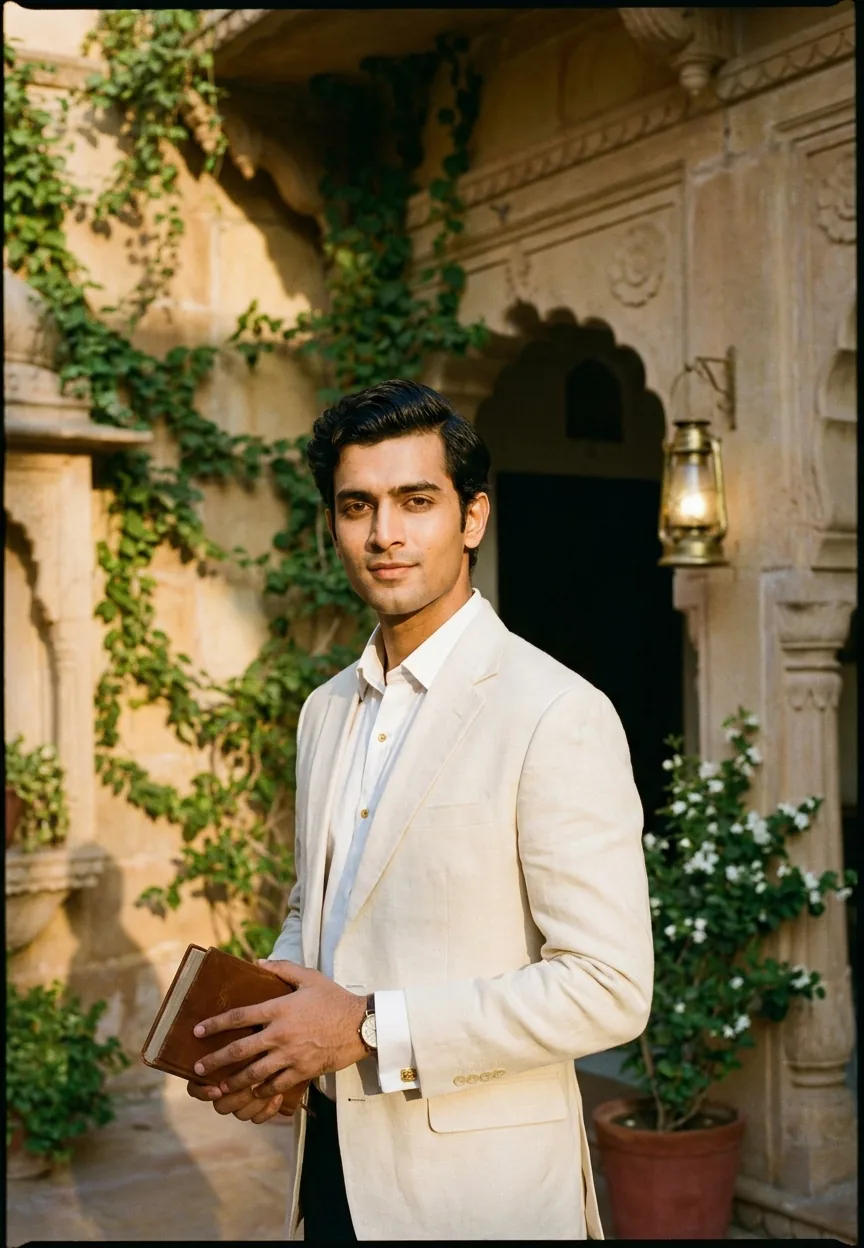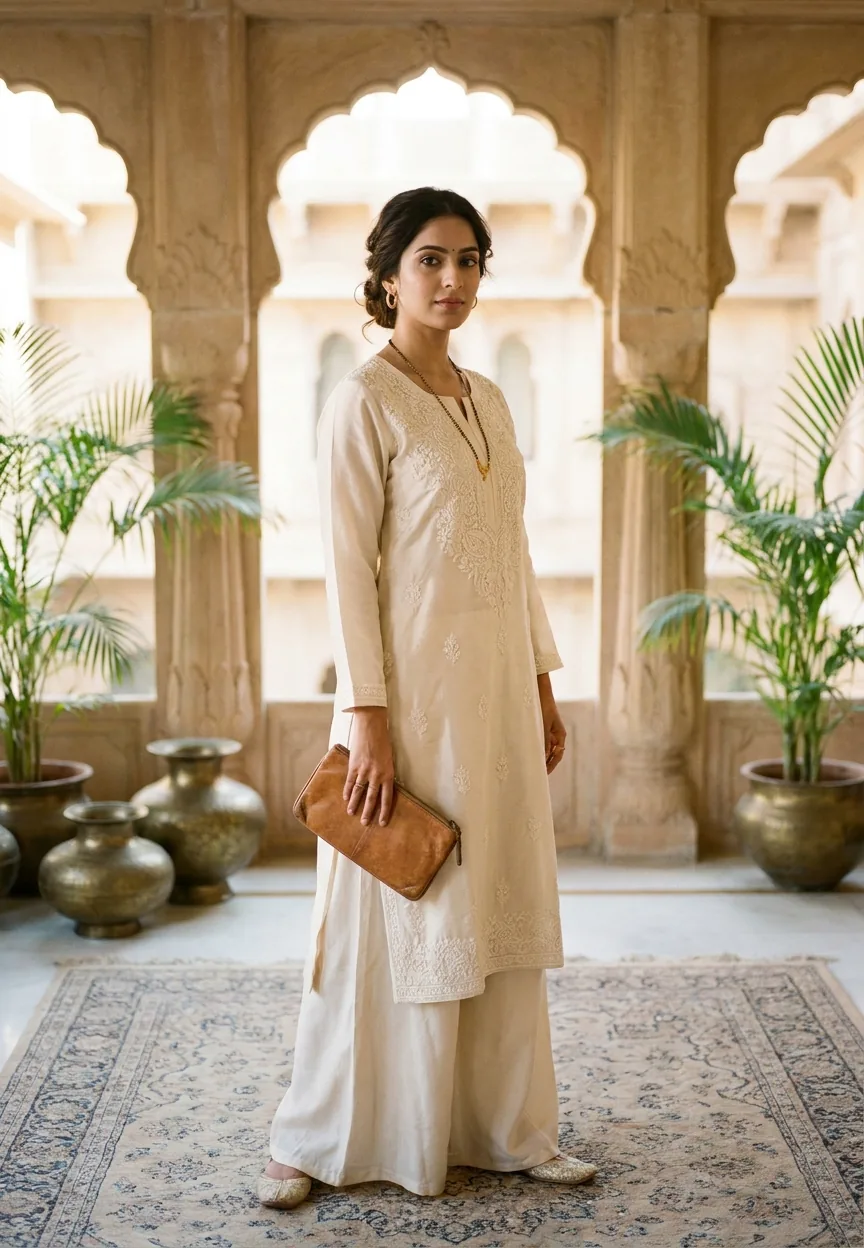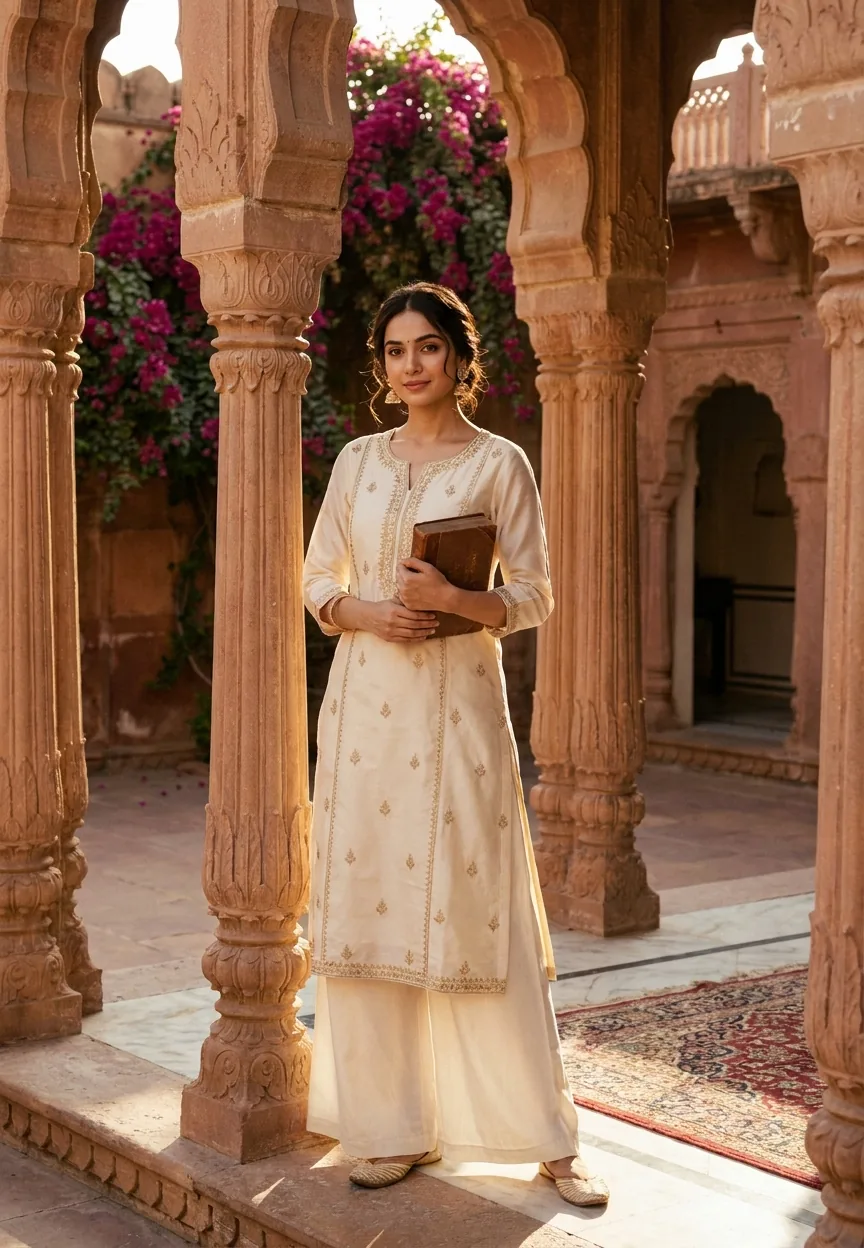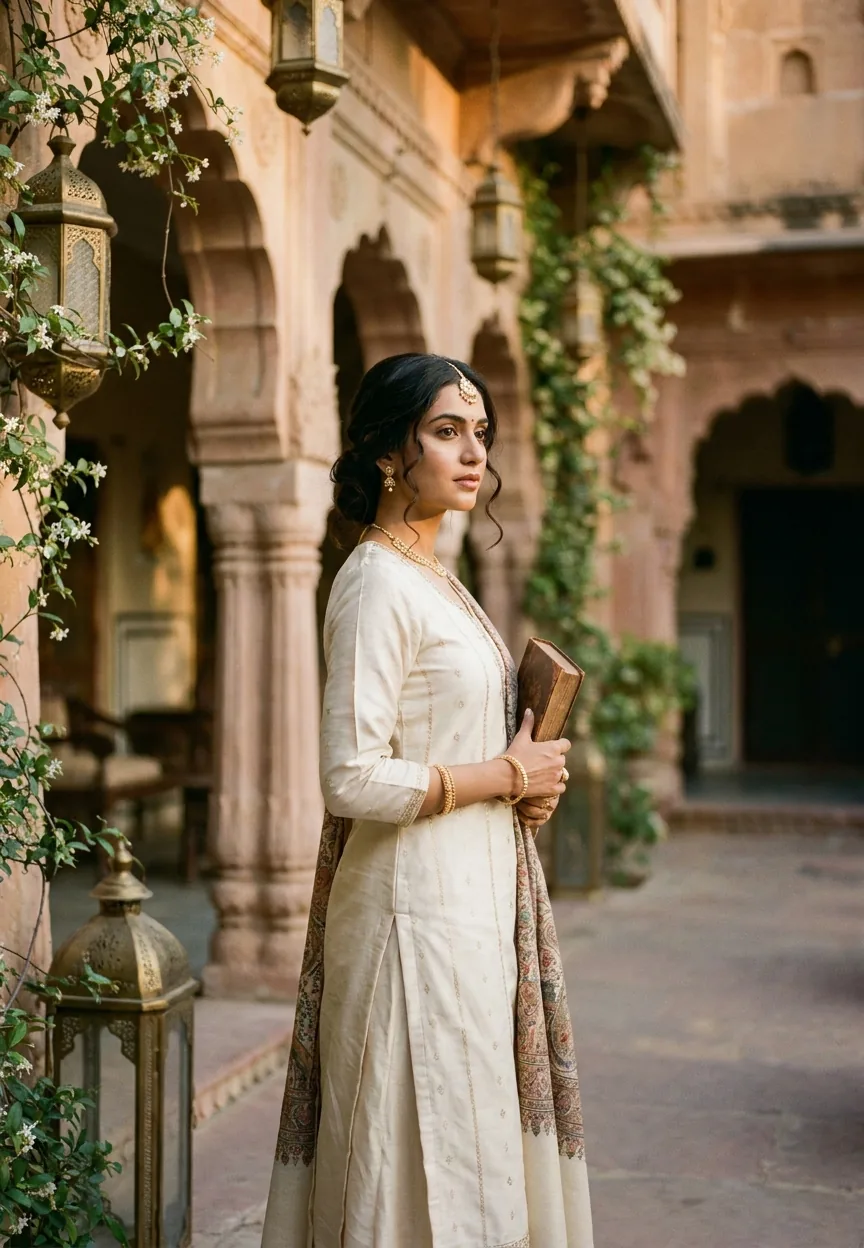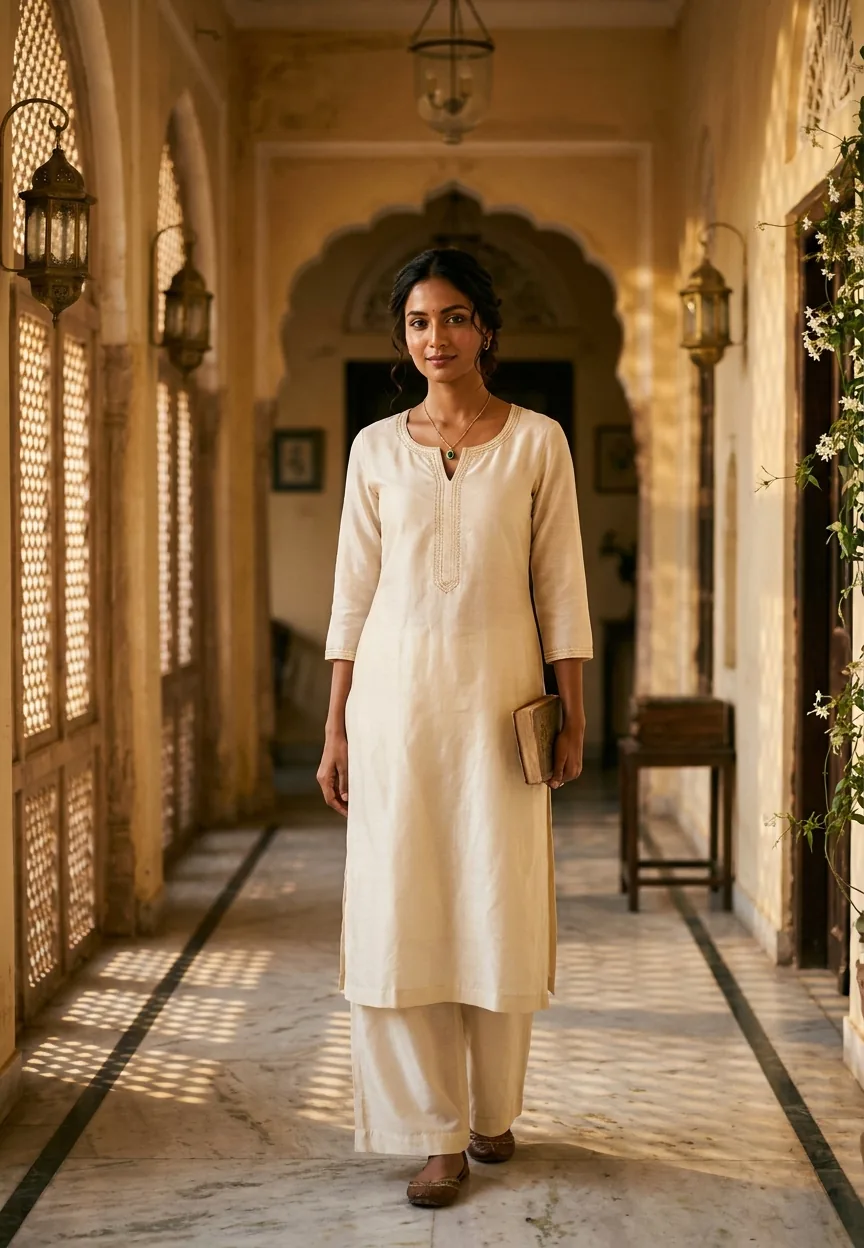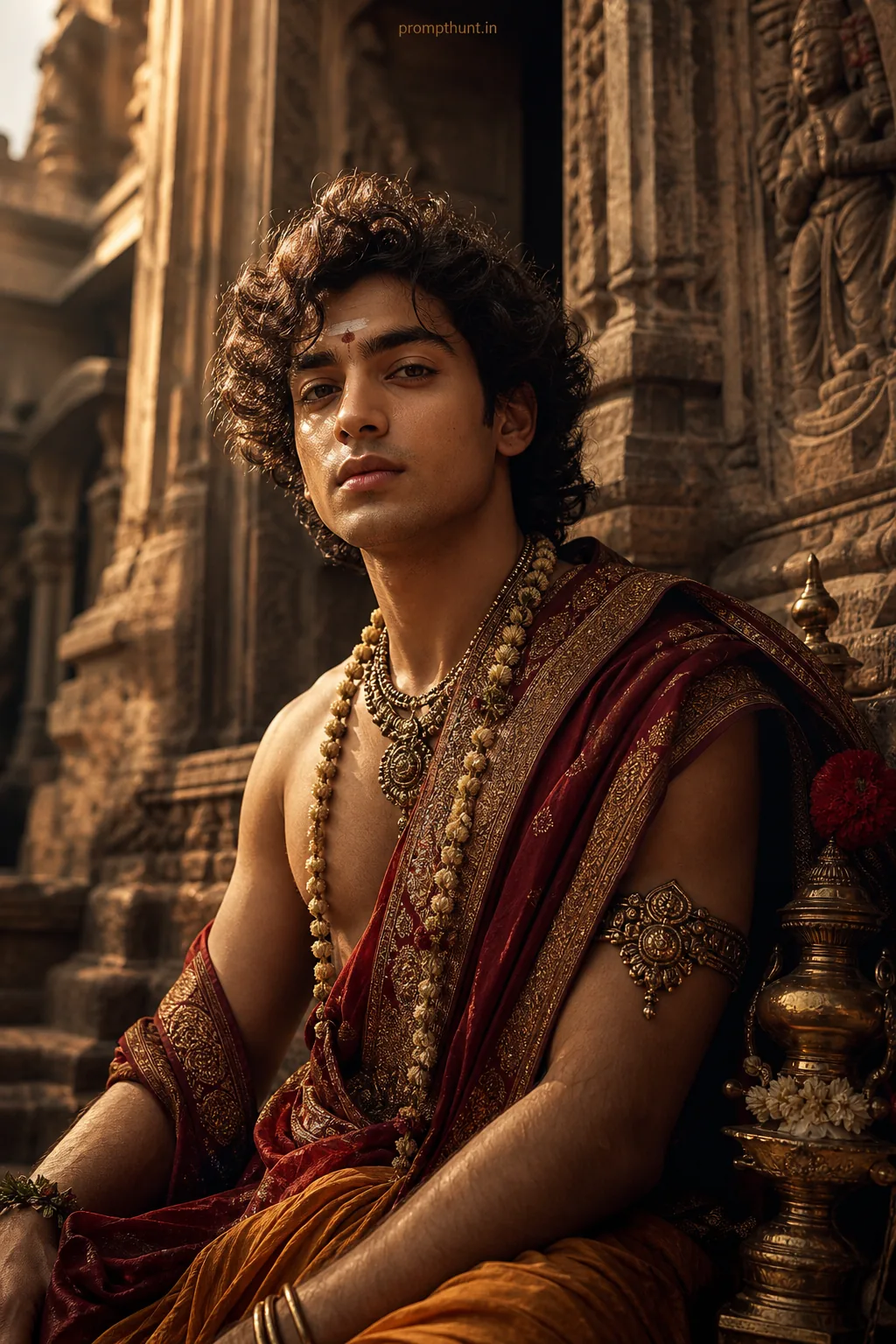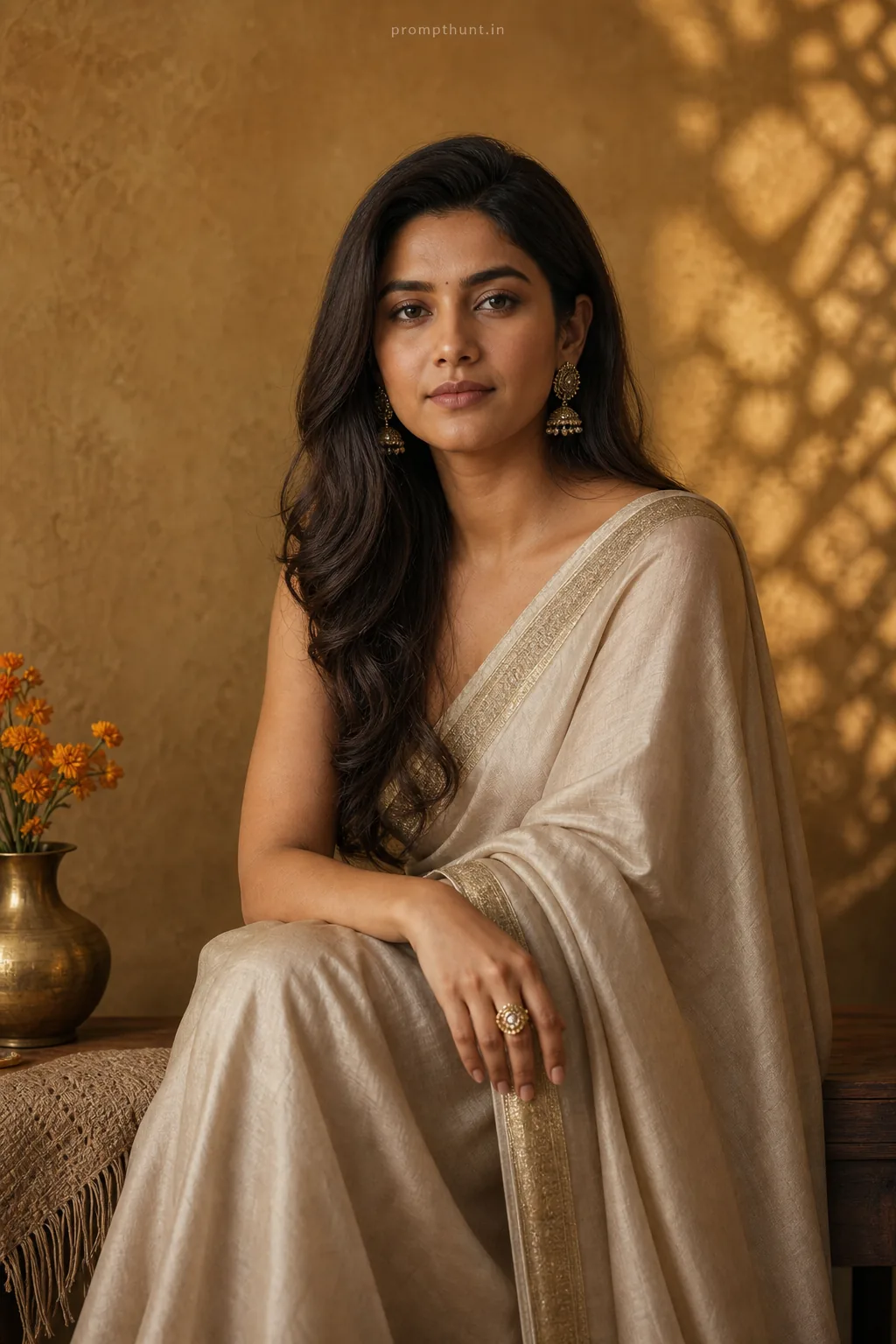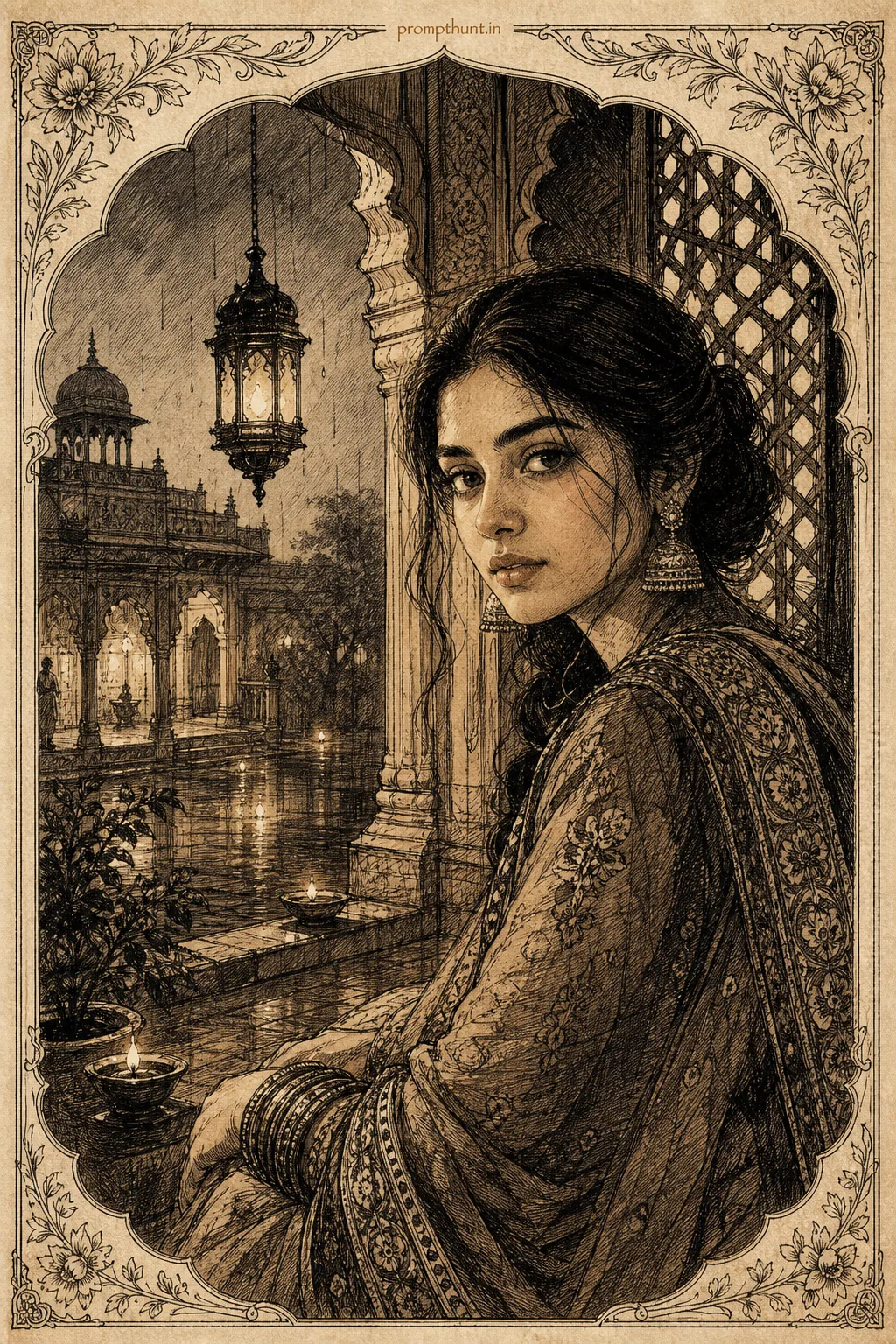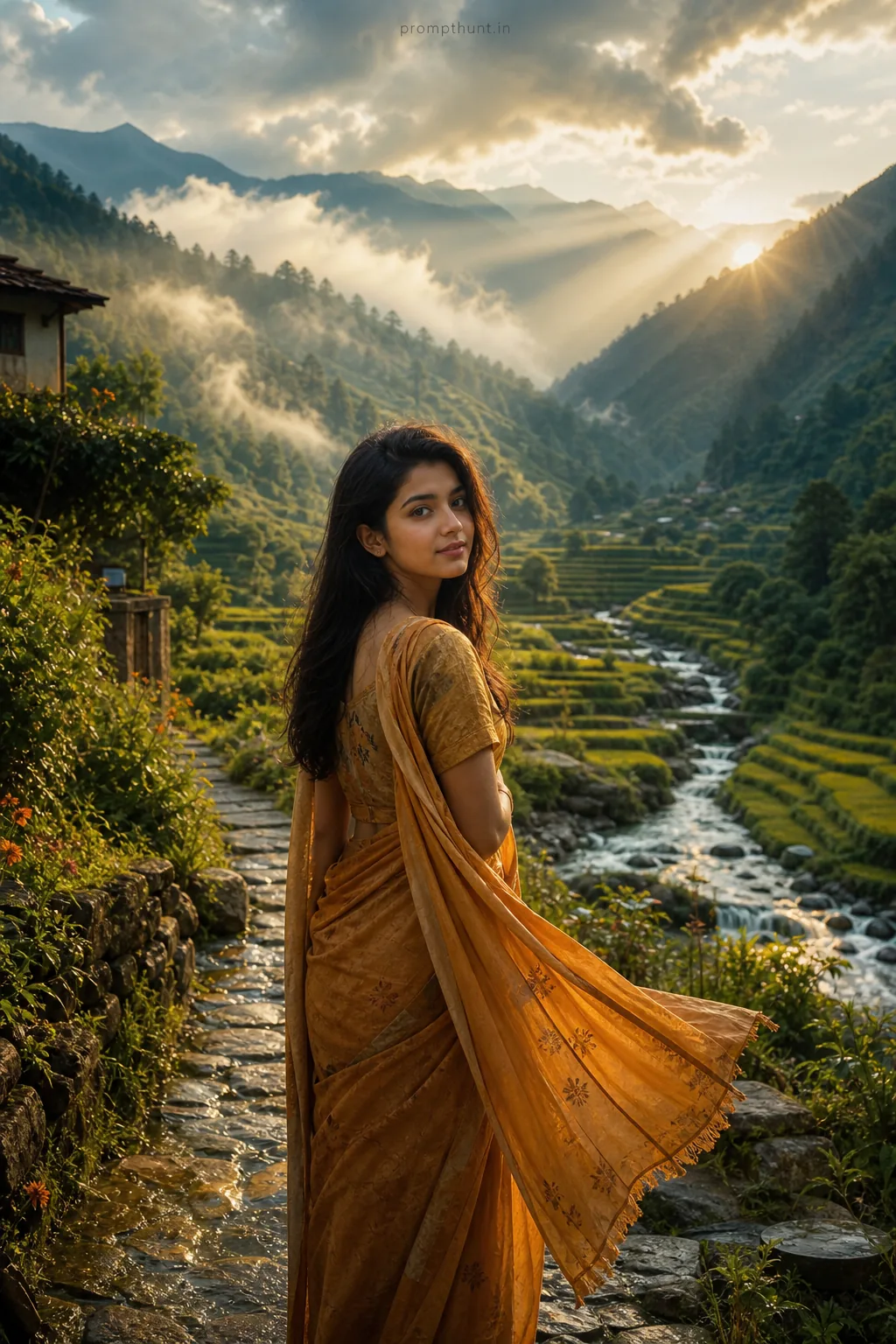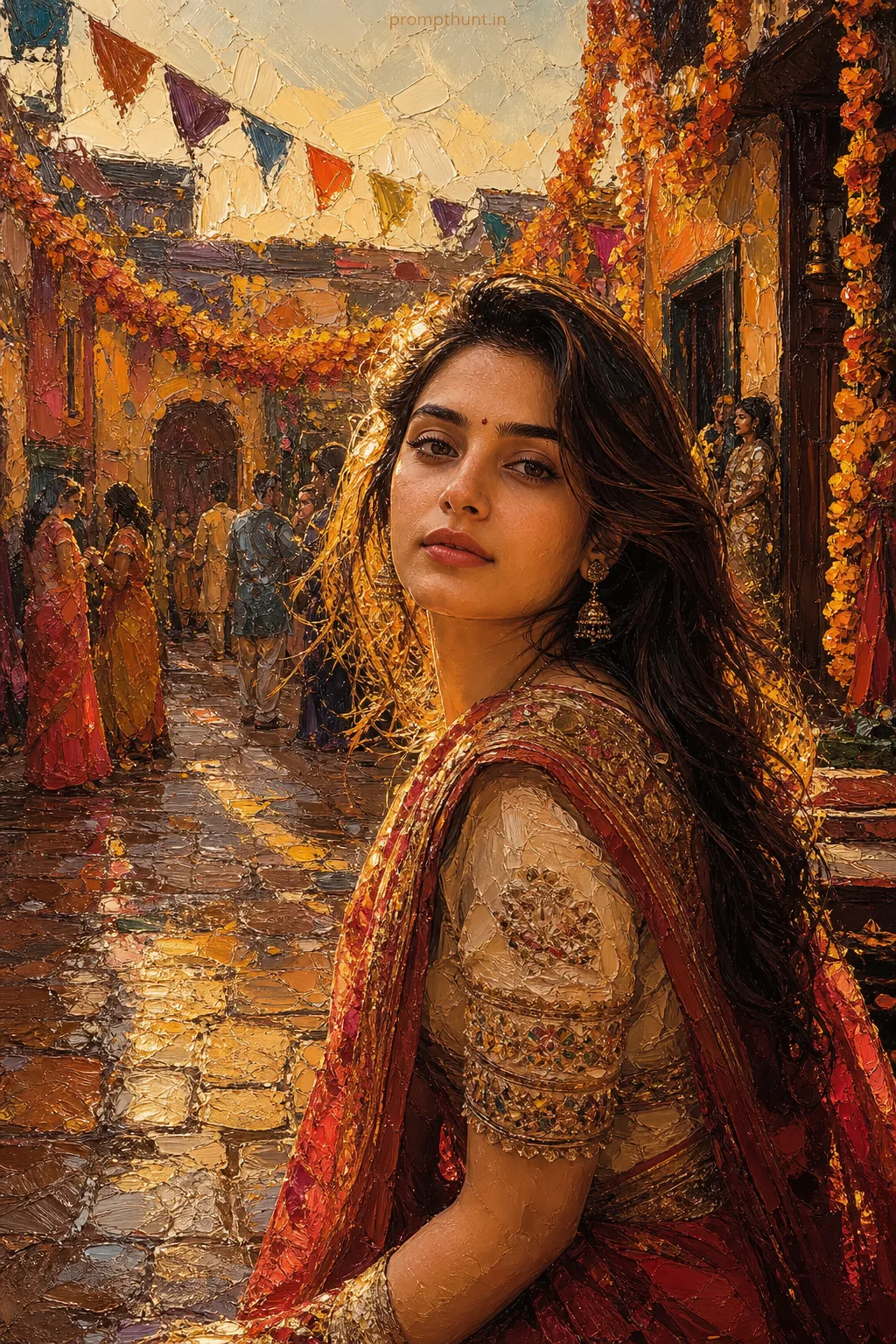

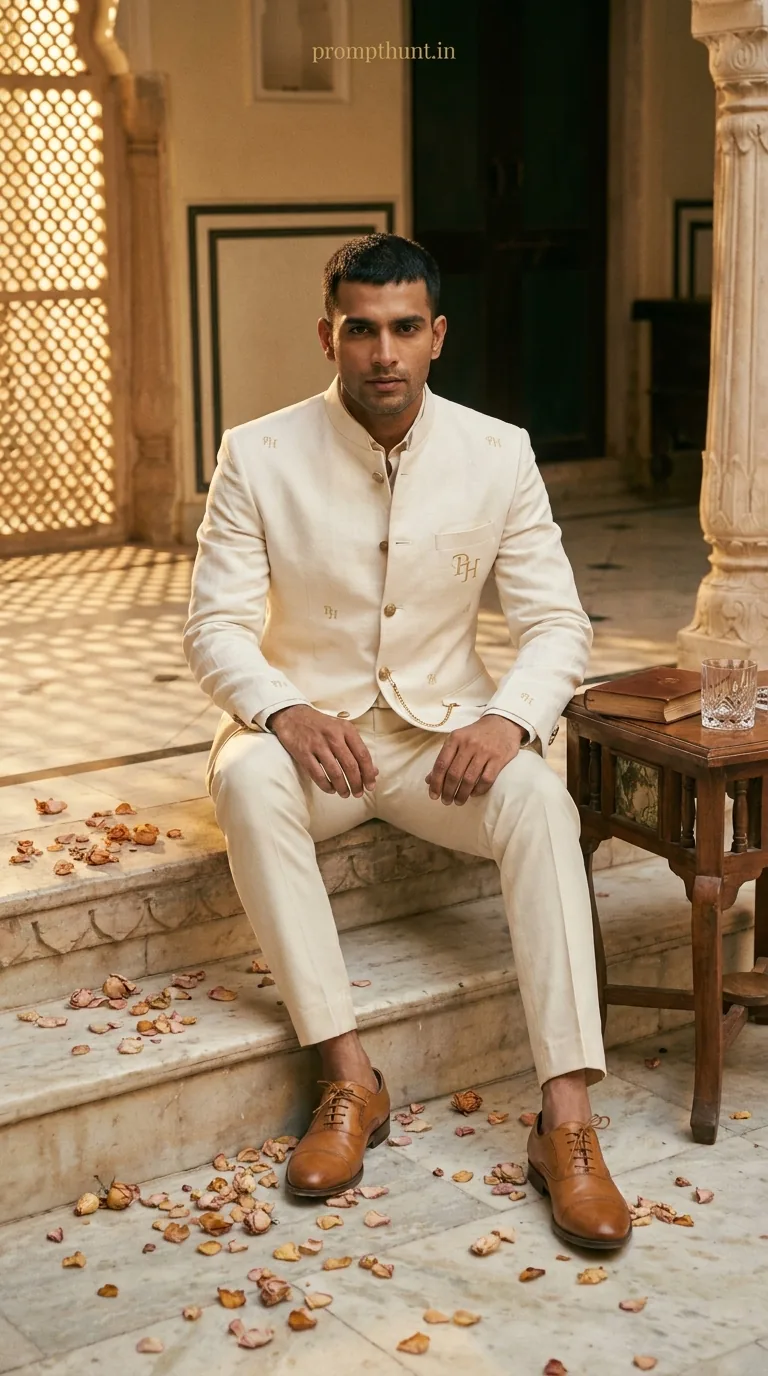
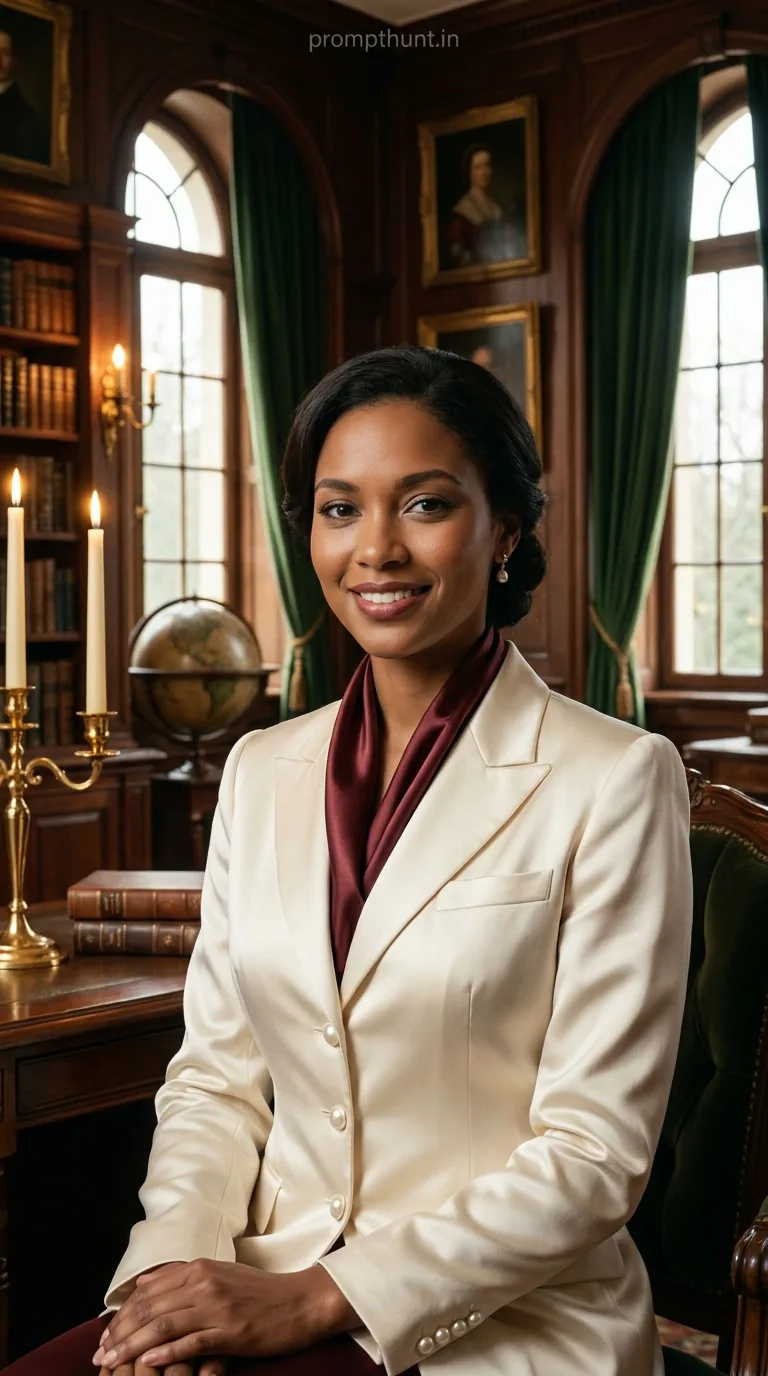
The Old Money Aesthetic prompt for Indian portraits uses Gemini AI to generate hyper-realistic editorial images styled around quiet luxury — think heritage havelis, tailored linen, and Kodak Portra film grain. Drop the full prompt into Gemini, use a real reference photo, and adjust the setting details to match your background. Results land in under 60 seconds.
Old money doesn't announce itself. It walks into the room wearing cream linen, glances at a vintage watch, and somehow makes everyone else feel underdressed. That's the whole vibe the Old Money Aesthetic has been chasing on social media — and now, with Gemini AI, you can generate a portrait that looks like it belongs in a Condé Nast travel feature about Rajasthan, no trip to Jaipur required. This article breaks down exactly how the prompt works, why it's gone properly viral in India, and whether it's actually worth your time.
Paste this prompt into Gemini with a clear face photo and you'll get a cinematic, heritage-haveli portrait dripping in old money energy — warm amber tones, tailored linen, film grain, the lot.
What the Old Money Aesthetic Actually Is
Old Money Aesthetic is a visual style built around one idea: wealth so established it stopped trying to prove itself.
No flashy logos. No neon. No statement pieces screaming "look at me." Instead, you get perfectly tailored neutrals, heritage architecture, natural light, and the kind of quiet confidence that only comes from three generations of knowing which fork to use at dinner.
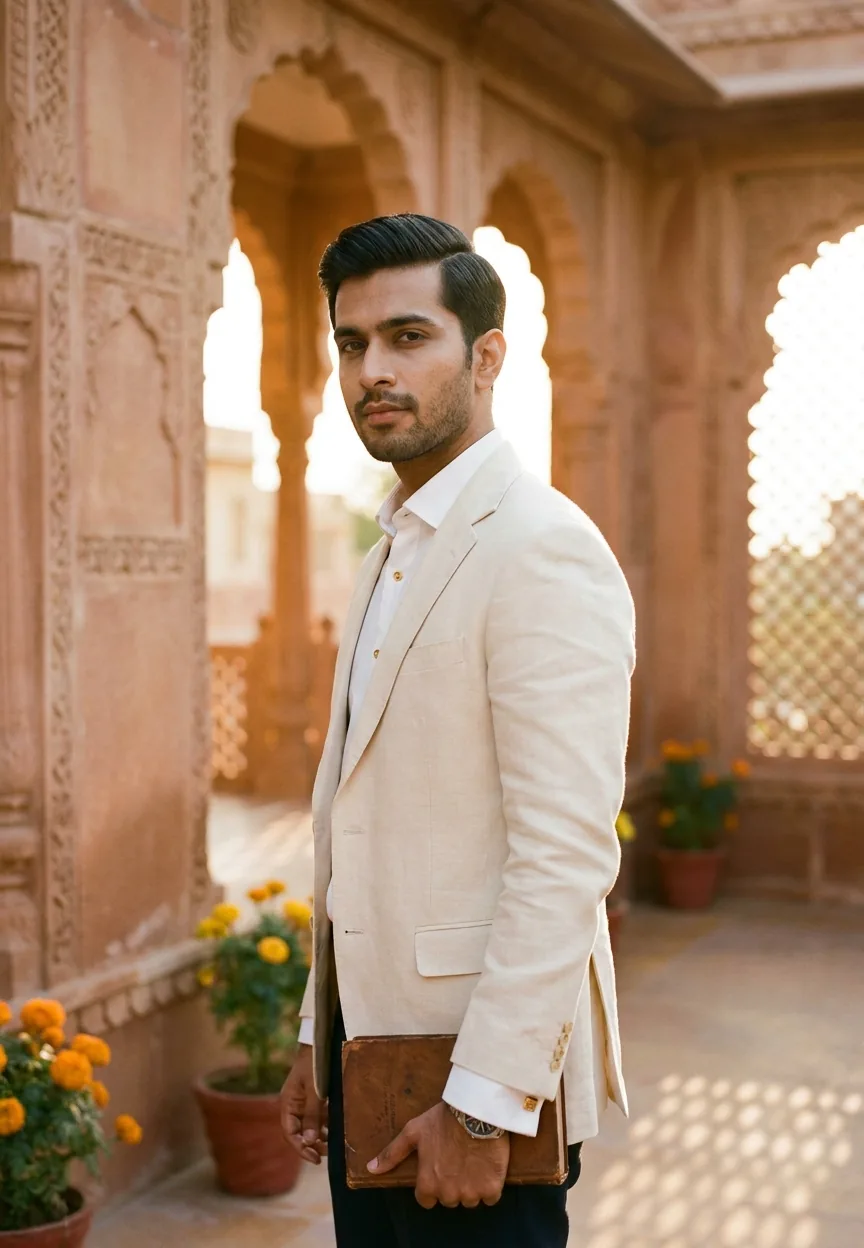
In the Indian context, this translates beautifully. Rajasthani havelis, hand-carved sandstone arches, marigolds in terracotta pots — India has been doing old money longer than most countries have had money. The aesthetic slots right in without feeling borrowed or fake.
The Gemini version of this trend takes that visual language and renders it as a hyper-realistic editorial portrait. Film grain. Shallow depth of field. Kodak Portra colour grading. It looks like a fashion shoot that cost forty thousand pounds and took two days. It takes about a minute.
The Prompt — Copy This Exactly
Here it is. Don't trim it. The specificity is doing a lot of heavy lifting.
A strikingly elegant Indian man in his late 20s wearing a perfectly tailored cream linen blazer over a white Oxford shirt with subtle gold cufflinks, standing in the courtyard of a grand heritage haveli in Rajasthan, soft golden hour light cascading through ornate sandstone arches, warm amber and ivory tones dominating the scene, background features aged terracotta walls with intricate hand-carved lattice jali work and potted marigolds, subject holds a vintage leather-bound book casually at his side with effortless confidence, hair neatly groomed with a natural side part, subtle expensive watch peeking from the cuff, ground level shot looking slightly upward to convey prestige and stature, mood is quietly luxurious and timeless, film grain texture overlay, muted warm color grading reminiscent of Kodak Portra 400, shallow depth of field with bokeh on background details, shot on medium format camera aesthetic, 9:13 vertical portrait orientation, hyper-realistic photography style, ultra-detailed fabric texture, cinematic editorial quality lighting, no harsh shadows, natural skin tone with rich warm undertones
How to Use This Prompt — Three Steps, No Surprises
Step one: Get a clean reference photo. Gemini needs a face to work with. Use a front-facing photo with decent lighting and a neutral background. The cleaner the reference, the better Gemini holds your actual features. Blurry gym selfies taken at midnight will produce results that look more haunted than heritage.
Step two: Open Gemini and upload your photo alongside the prompt. Make sure you're using Gemini's image generation mode — not the standard chat. Paste the full prompt in one go. Don't split it across messages.
Step three: Review and regenerate if needed. Nine times out of ten, the first result is strong but the watch or the book ends up looking a bit abstract. Hit regenerate once or twice. Gemini gets more confident on subsequent attempts. (Much like me after the second beer.)
Tips That Actually Make a Difference
Keep your reference photo well-lit. Natural daylight is the rule of thumb here. Overhead fluorescent lighting from your office kitchen will fight the warm amber tones in the prompt and produce muddy skin tones.
Wear something neutral in your reference photo. If you're photographed in a bright red shirt, Gemini sometimes bleeds that colour into the generated blazer. A plain white or grey top gives the AI a clean canvas.
Adjust the setting if Rajasthan isn't resonating. Swap "heritage haveli in Rajasthan" for "colonial-era bungalow in Shimla" or "century-old library in Kolkata" and the whole mood shifts slightly while keeping the old money energy intact. The architecture is a costume, not a rule.
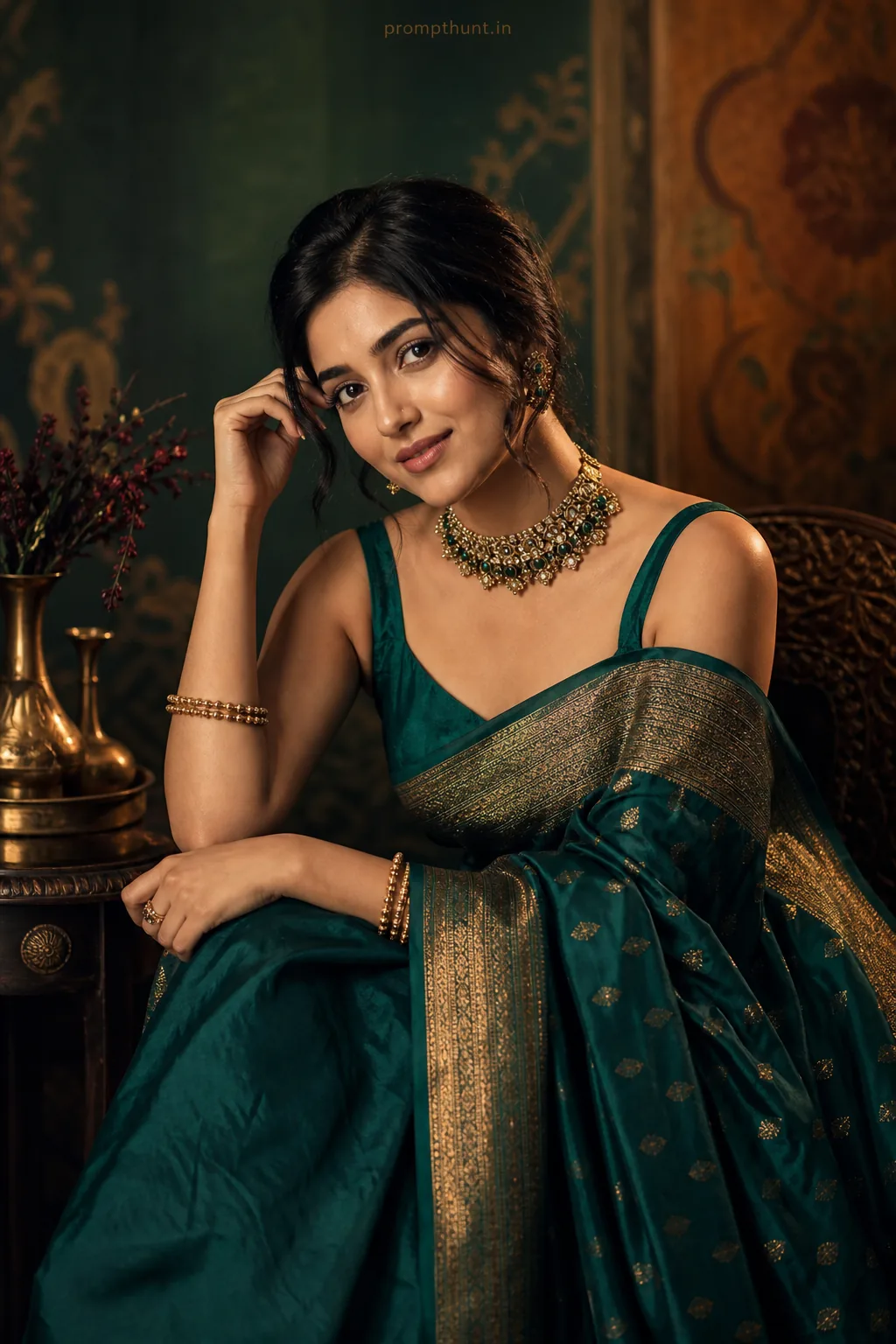
For women, swap the linen blazer for a "perfectly tailored ivory silk kurta with hand-embroidered gold border" and change the Oxford shirt reference out. Everything else in the prompt holds.
Add "no text, no watermarks" to the end if you're planning to post the result anywhere. Just stops one annoying variable.
Why This Is Trending Across India Right Now
The Old Money Aesthetic hit the West a couple of years ago, mostly via Ralph Lauren campaigns and Saltburn discourse. In India, it landed differently — and arguably better.
India has genuine old money architecture that no European country can match for sheer visual drama. Haveli courtyards, Mughal archways, intricate jali lattice work — these aren't set dressings. They're real, they're photographically extraordinary, and they've been sitting there for centuries waiting for the right filter.
The Kodak Portra colour grade also suits warm South Asian skin tones exceptionally well. The amber and ivory palette that can look a bit washed out on fairer complexions absolutely sings on deeper, warmer skin. The trend figured this out. The algorithm rewarded it.
There's also something quietly political about it. Indian creators placing themselves in heritage spaces with the language of quiet luxury is a gentle but firm reclamation of a visual vocabulary that Western fashion media spent decades ignoring. You don't need to read that much into it. But it's there, and it's part of why the images feel like more than just a nice portrait.
On Instagram and Pinterest, Indian Old Money portraits are currently among the highest-saved AI image formats in the lifestyle and fashion categories. That's not a small thing when you consider how saturated both platforms are.
Honest Take — When to Use It and When to Leave It
Right. Here's the bit where I tell you the truth instead of just cheering from the sidelines.
This prompt is genuinely excellent for personal branding content, LinkedIn profile imagery, creative portfolios, and social media. If you're a photographer, a consultant, a writer, or anyone who sells themselves as part of their work, a well-executed old money portrait adds visual authority faster than almost anything else. It works because it's specific. Specific prompts produce consistent results. This one has been tuned carefully.
It is not great for commercial use without heavy disclosure. If you're using an AI-generated image to represent yourself on a booking platform, a journalistic profile, or anything where authenticity is part of the implicit contract with your audience — be honest about what it is. The images are convincing enough that people won't question them. That's the exact reason you should tell them.
It also won't save a bad reference photo. If you go in with a heavily filtered, overexposed selfie, Gemini will faithfully reproduce your overexposed face in a beautiful haveli courtyard. Garbage in, garbage out — even if the garbage is now wearing cufflinks.
And look — if you genuinely hate the old money trend, if the whole quietly-expensive-neutrals thing makes your eyes glaze over, this prompt isn't going to convert you. The aesthetic is what it is. It's not edgy. It's not experimental. It is, by design, timeless and slightly conservative. That's the point. If you want chaos and colour, there are better prompts for that.
For everyone else — this is one of the cleanest, most reliable portrait prompts currently working in Gemini. The specificity of the lighting instructions, the camera angle direction, and the colour grading reference all push the output into territory that most generic portrait prompts can't reach. It earns its length.
A Quick Word Before You Go Generate Yourself into a Haveli
The Old Money Aesthetic prompt works because it's precise. Heritage setting, tailored neutrals, golden hour, film grain, ground-level shot — each detail is doing a job. Paste it into Gemini with a decent reference photo, give it two or three attempts, and you'll have a portrait that looks like it cost more to shoot than your monthly rent. Just remember to tell people it's AI-generated. Old money is quiet. That's different from secretive. There's a distinction, and your followers deserve to know which fork you used — even if the fork was generated by an algorithm.