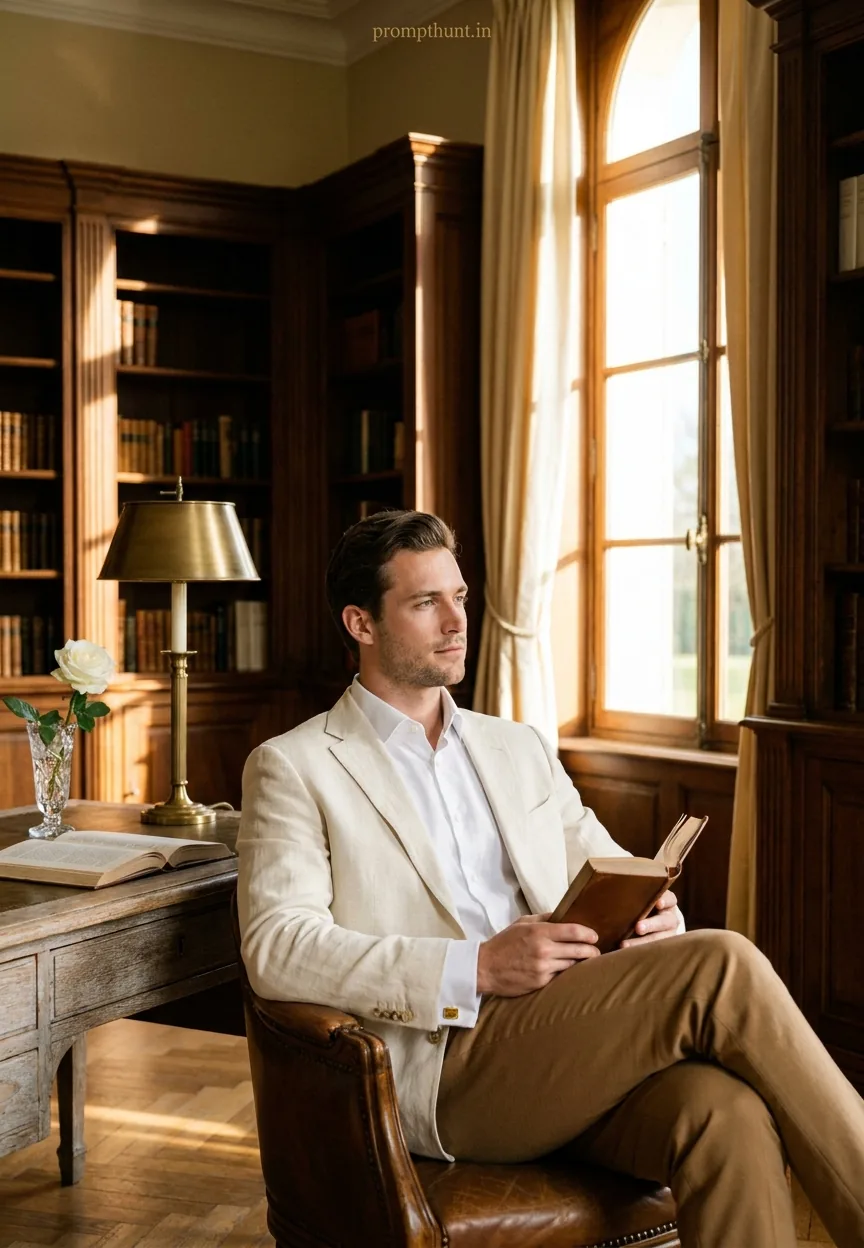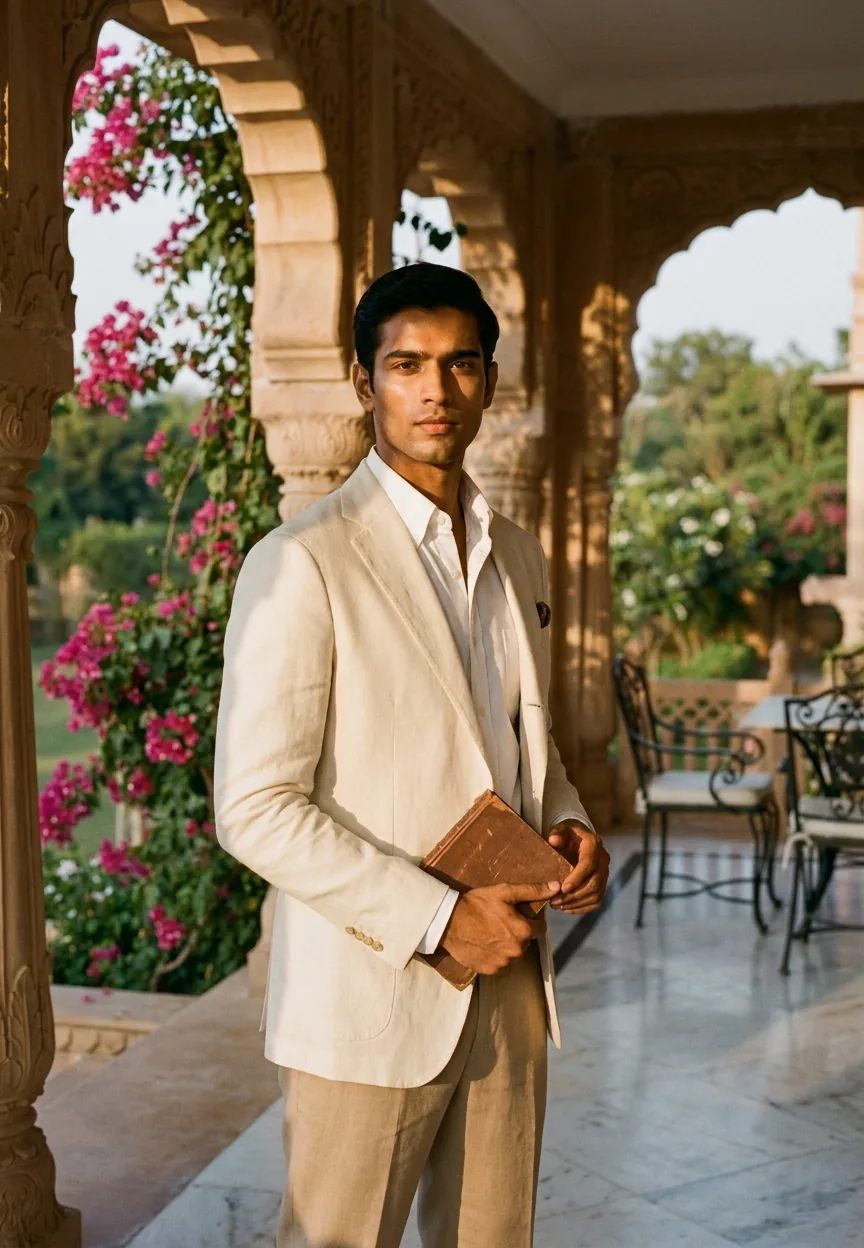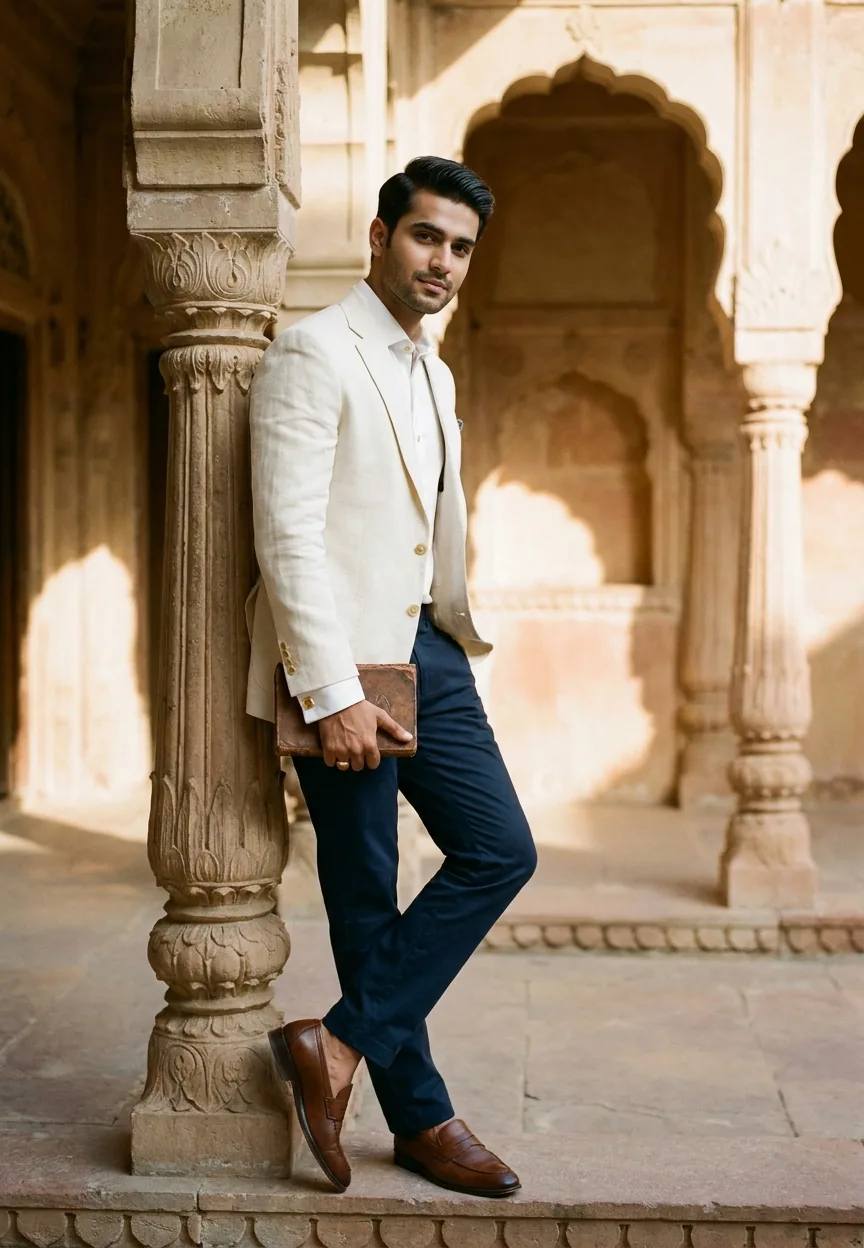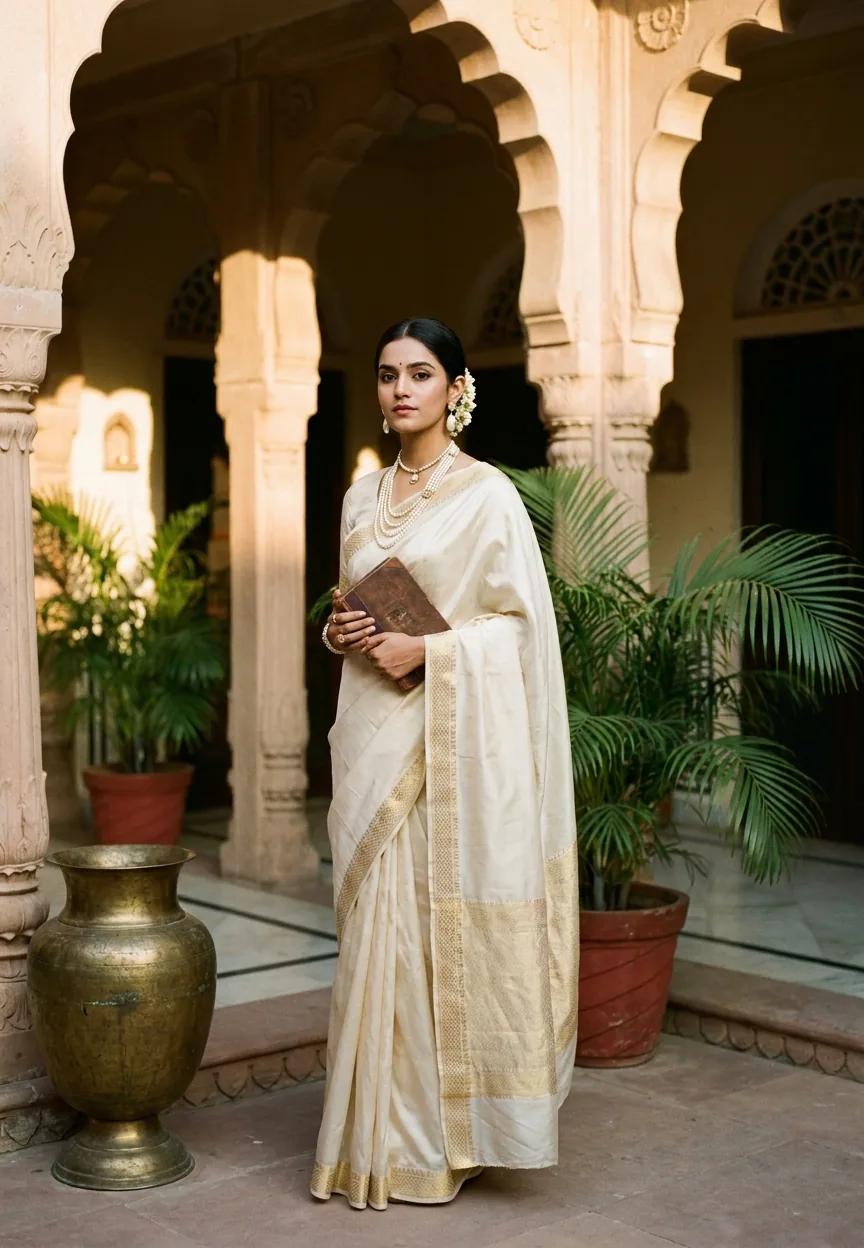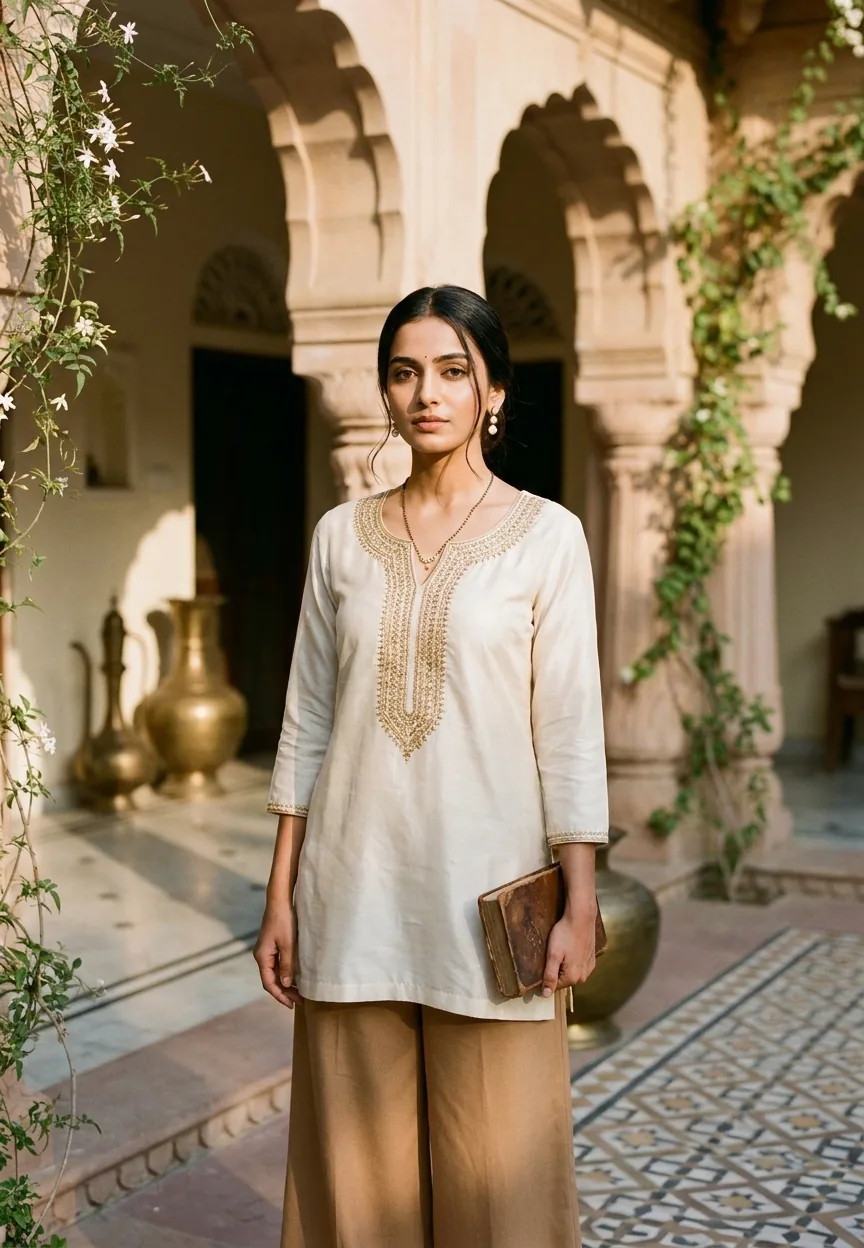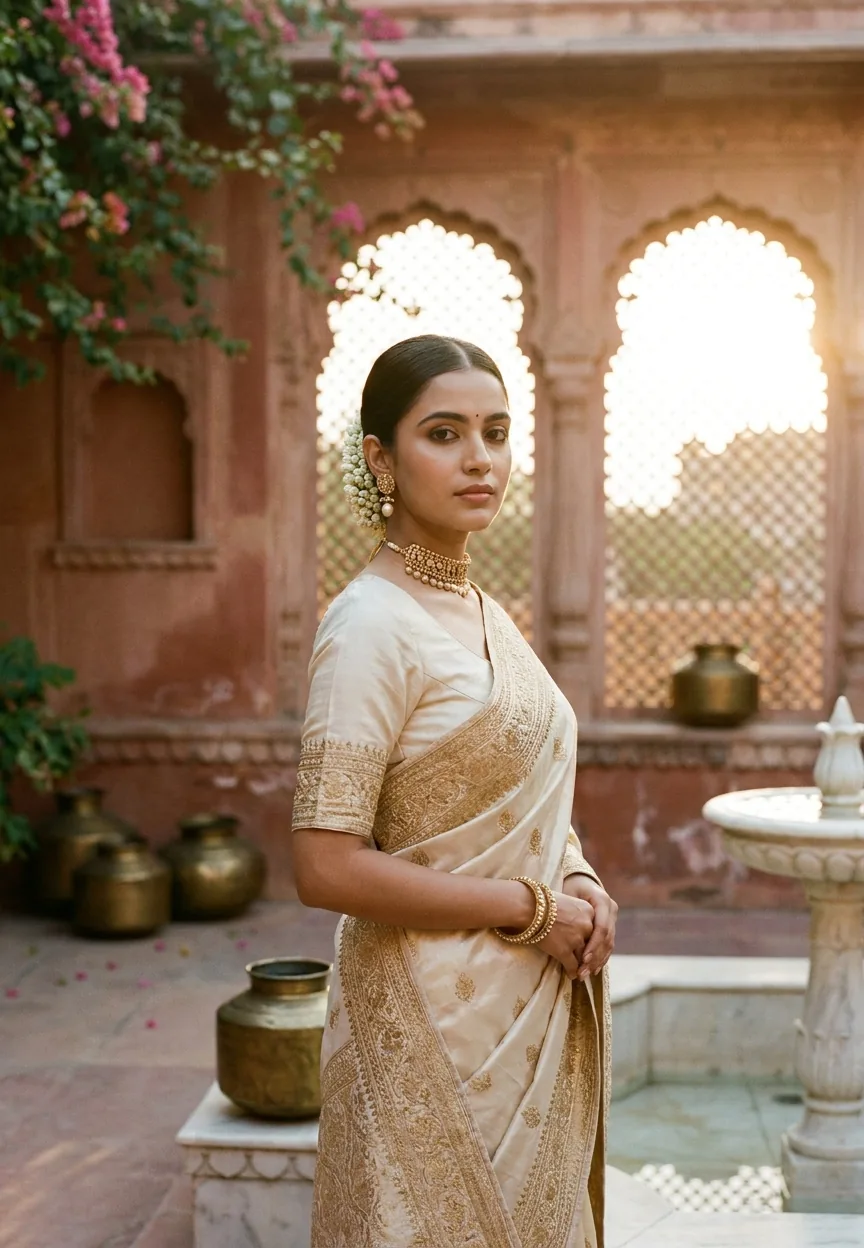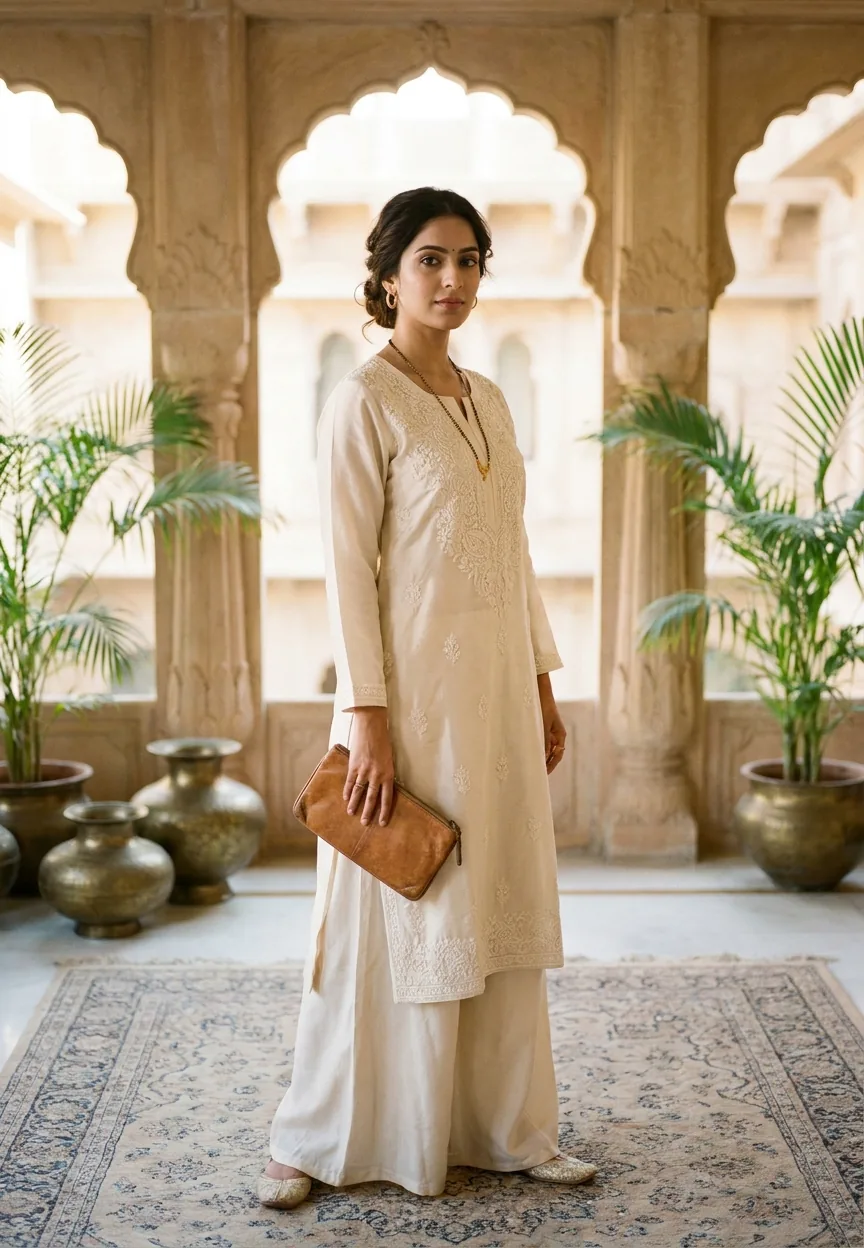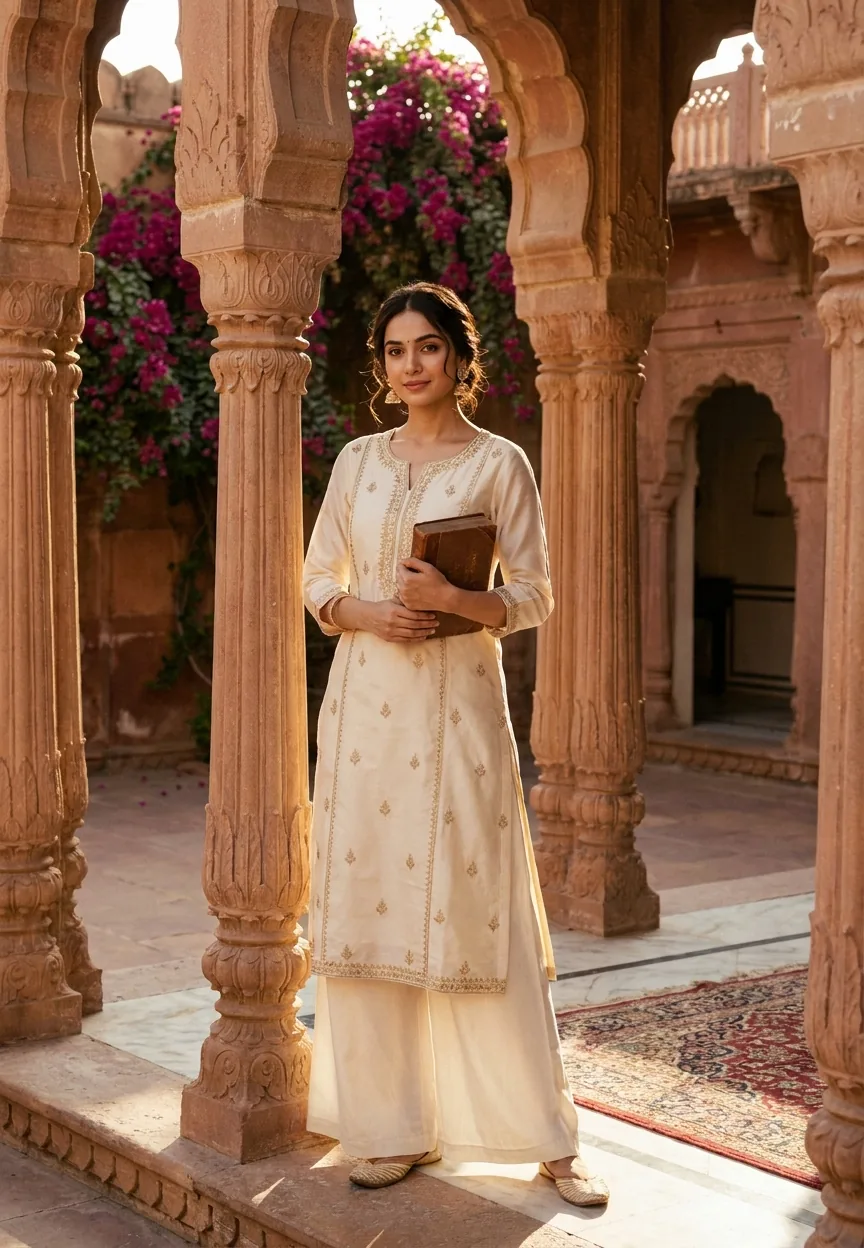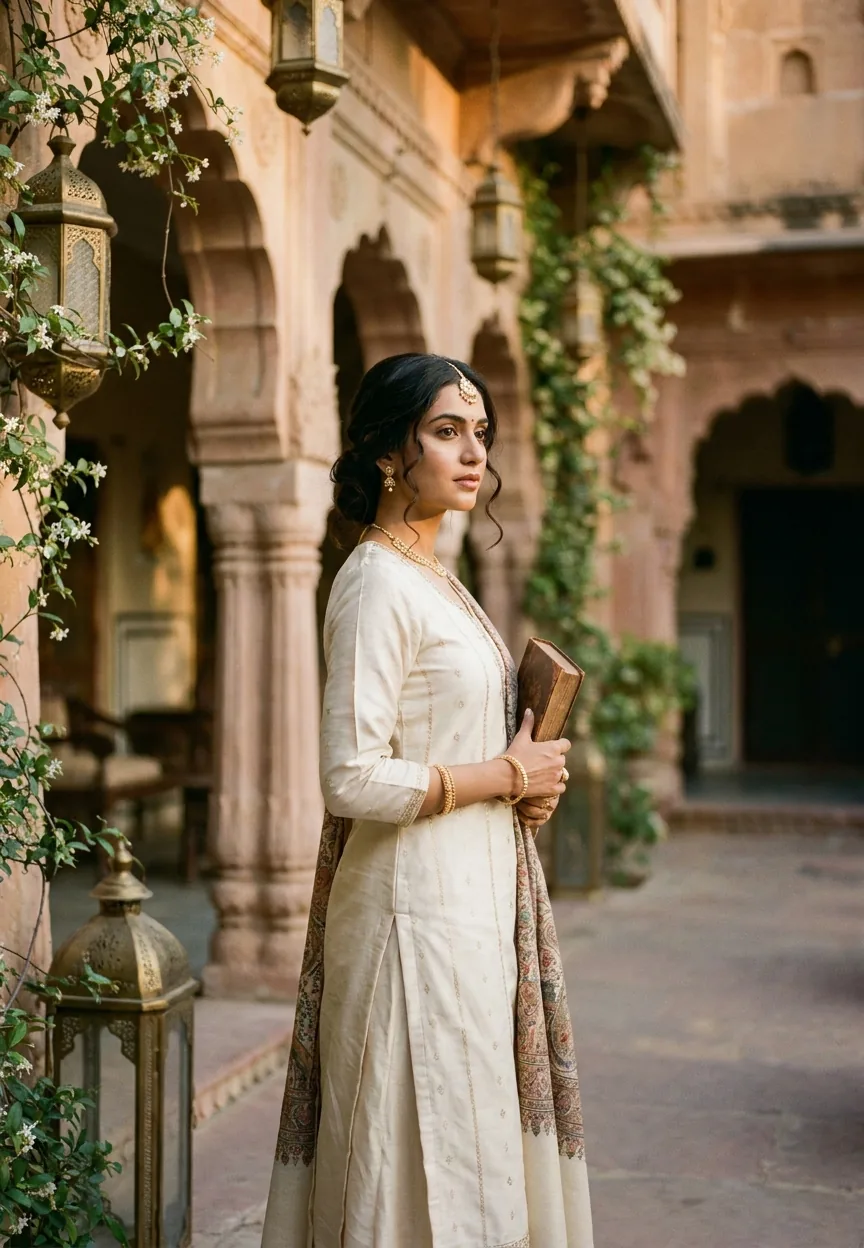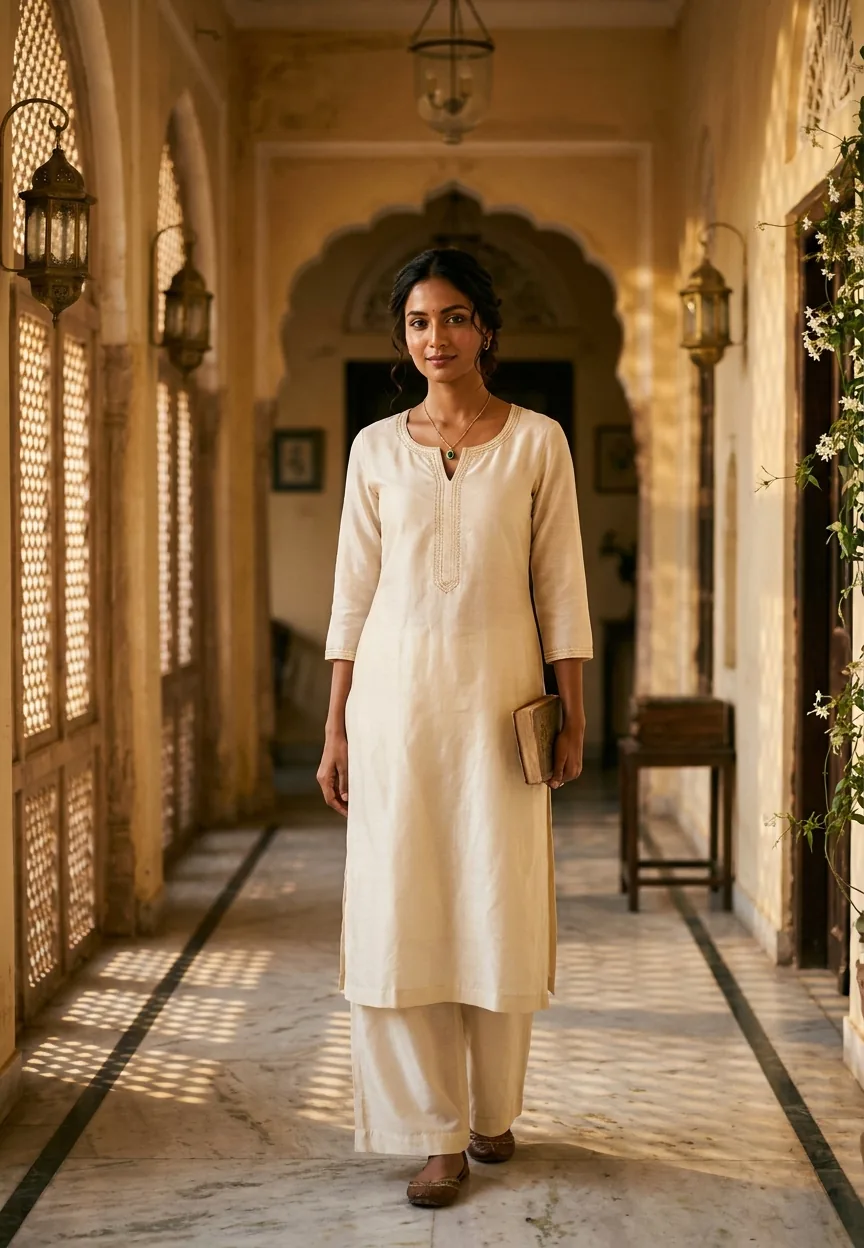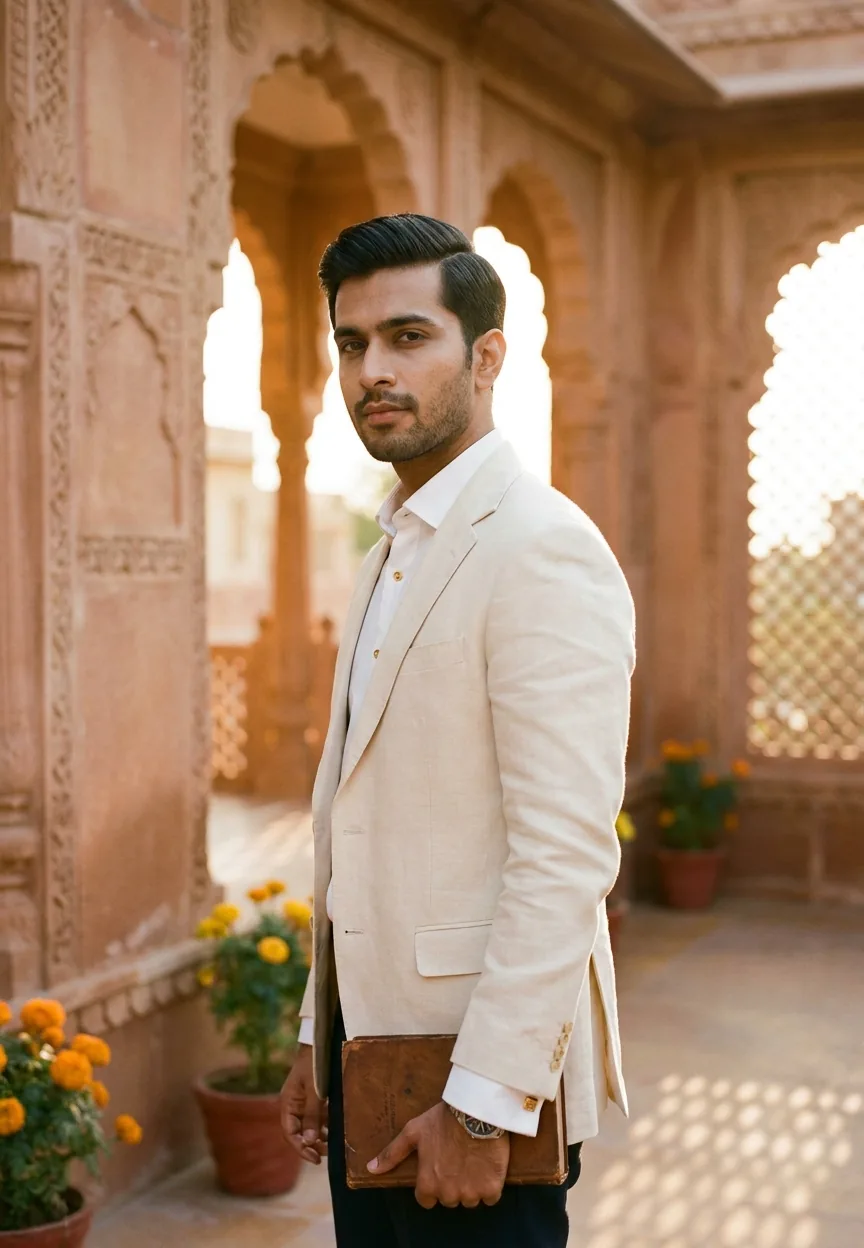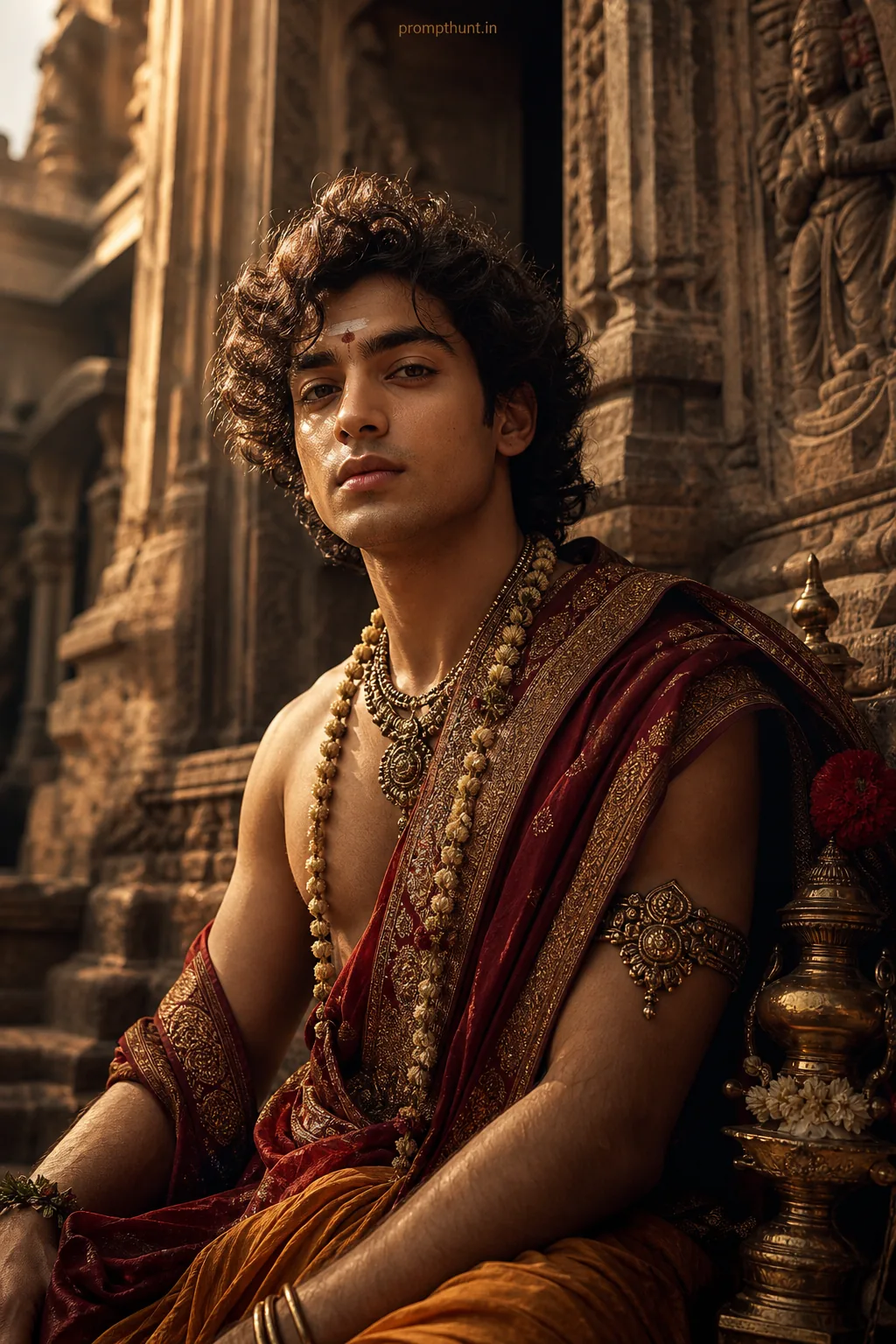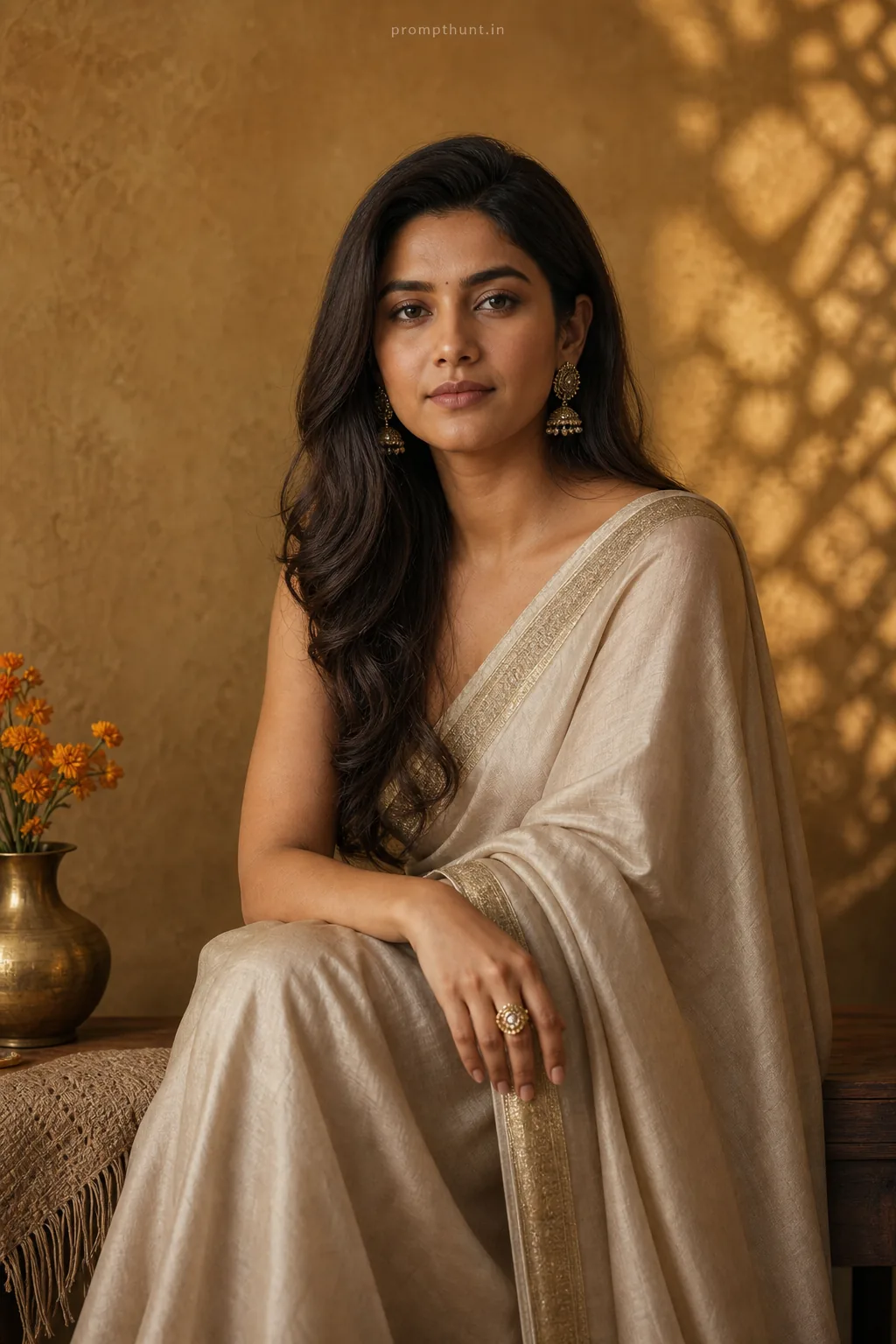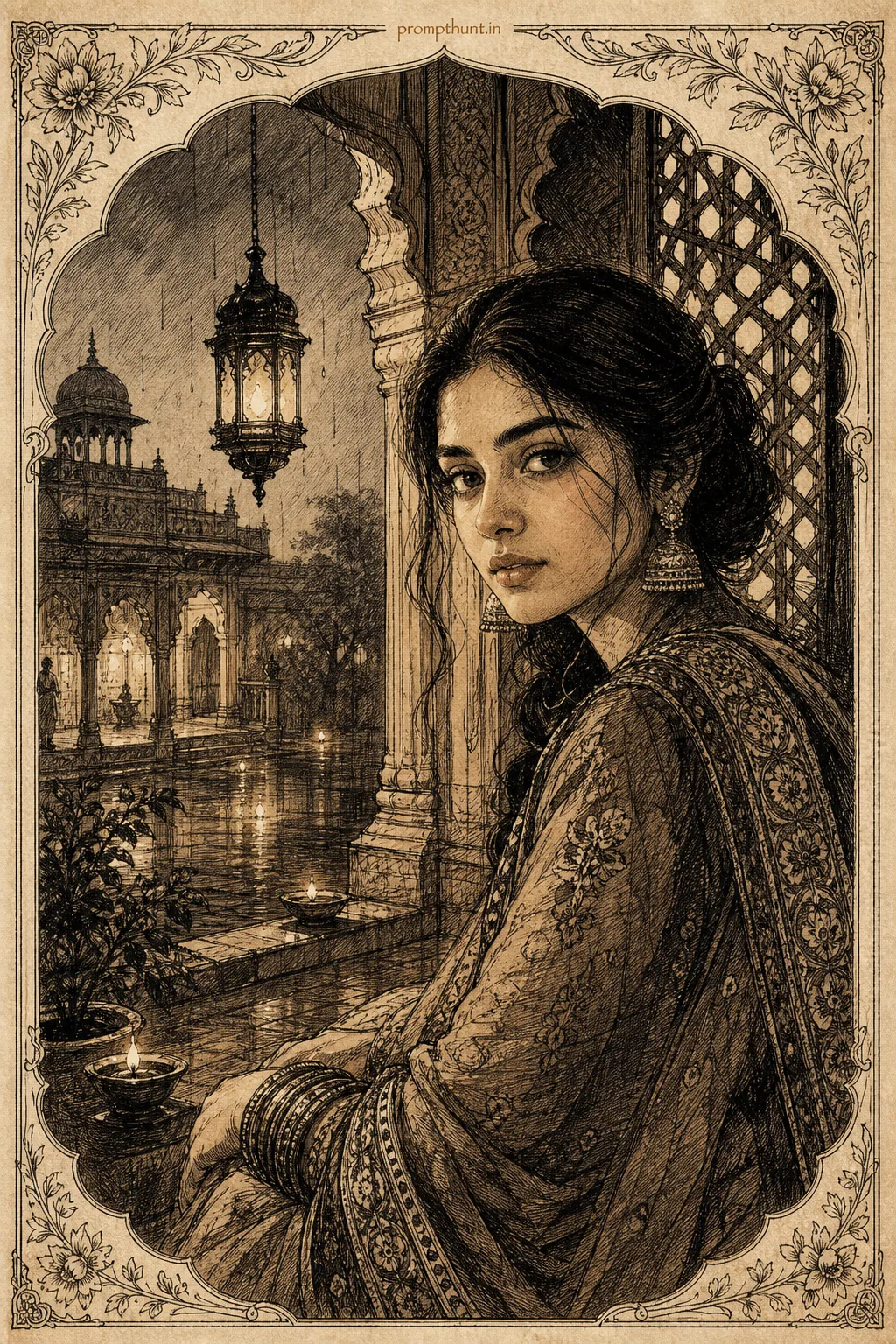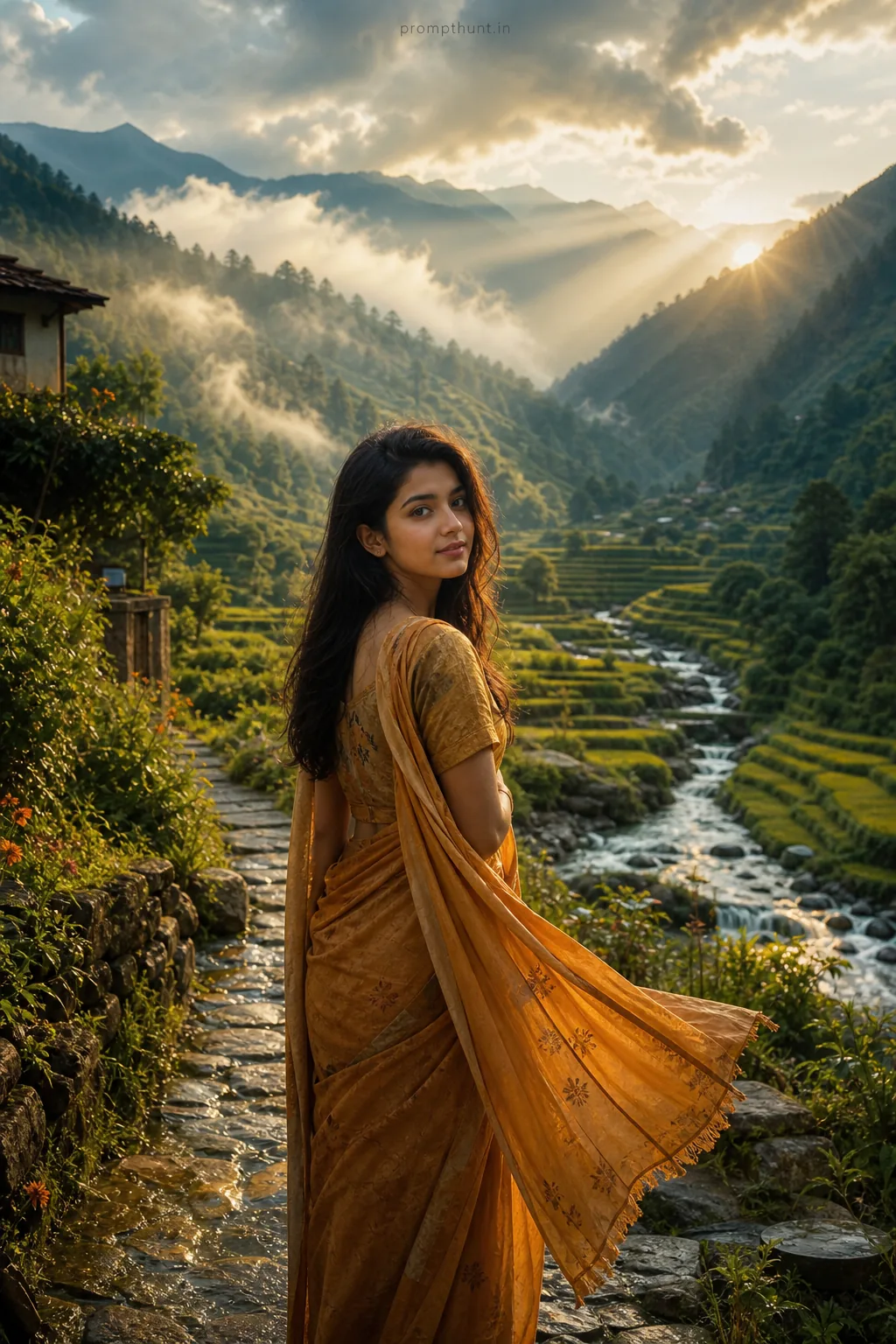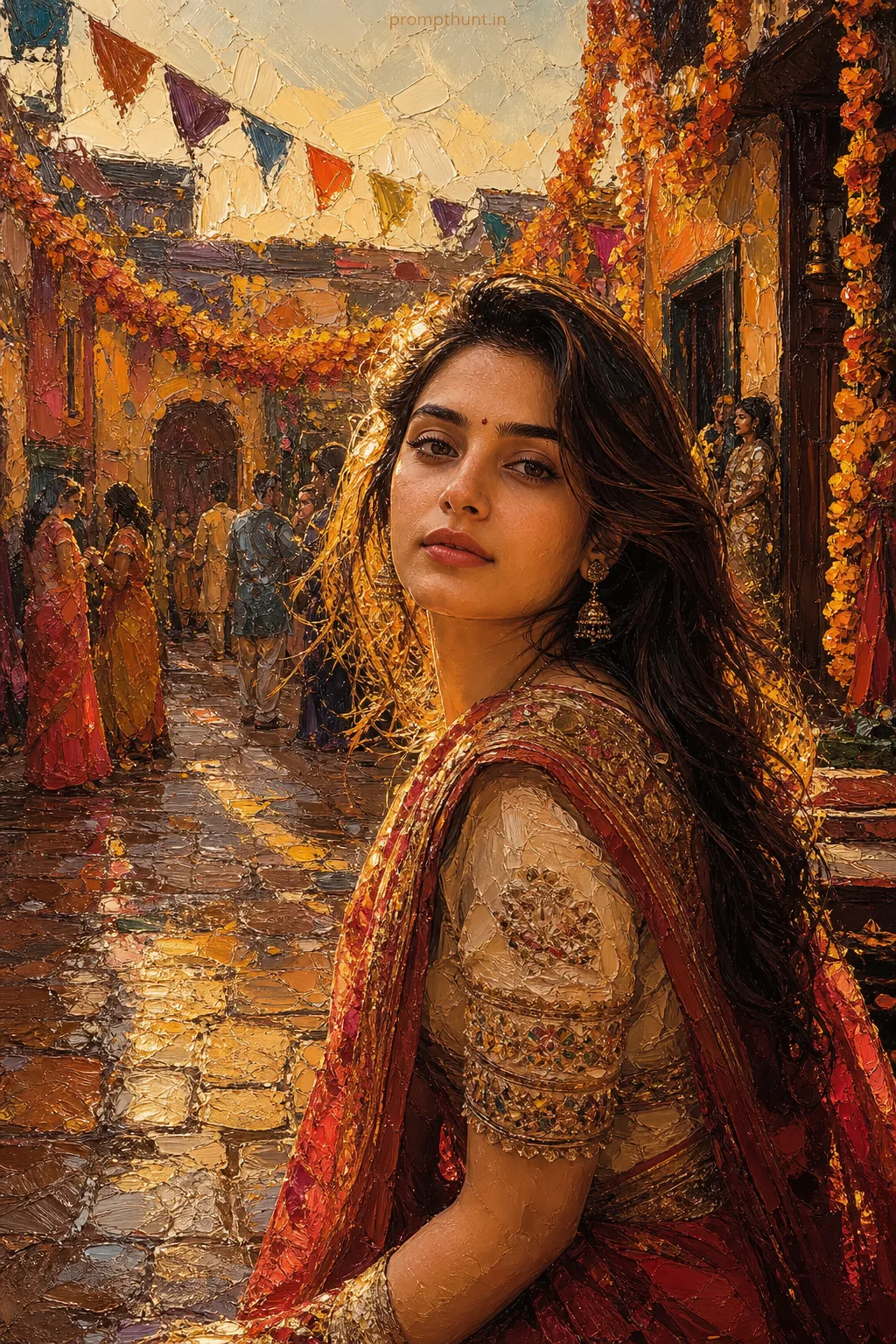

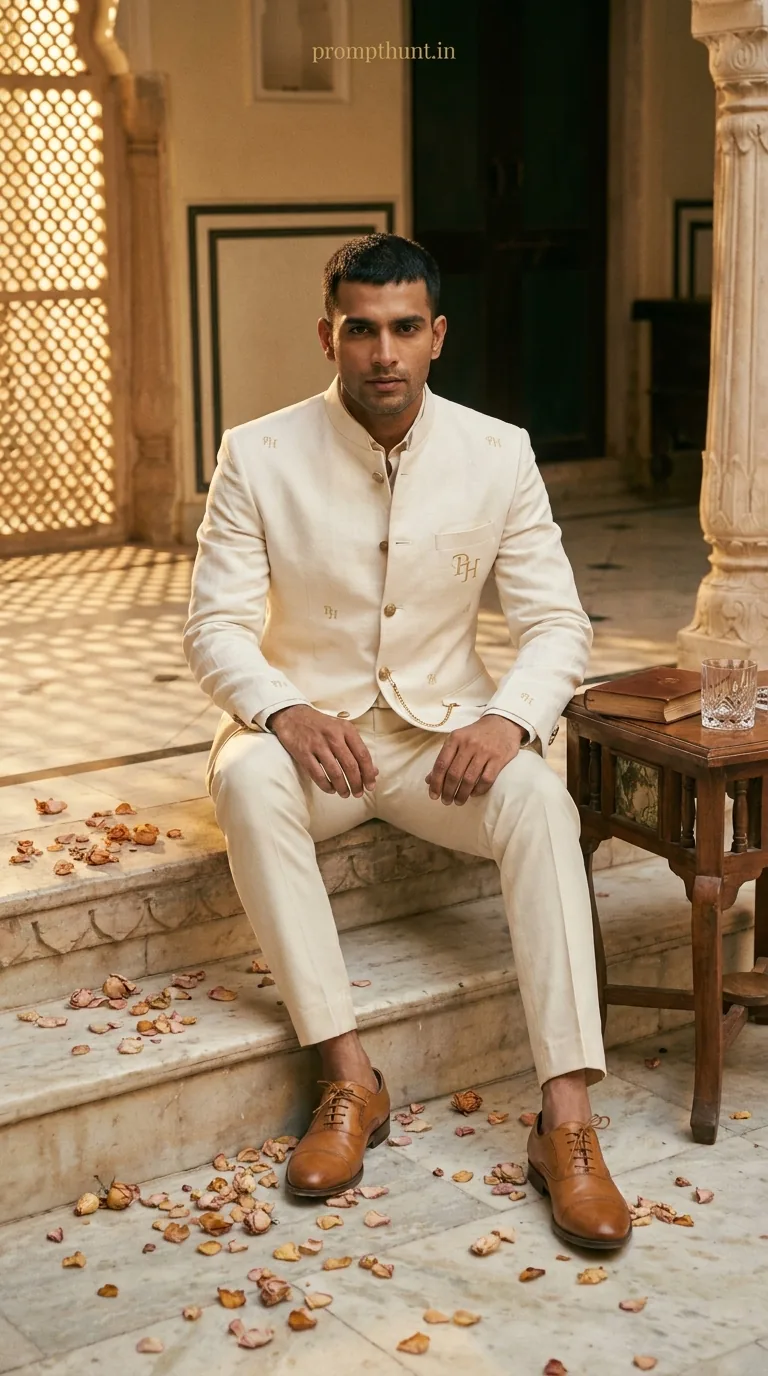
The Old Money Aesthetic prompt for Gemini AI generates cinematic, editorial-style portraits that radiate quiet luxury and generational wealth — without a single logo in sight. Use it by dropping the full prompt into Gemini, uploading a clear face photo, and letting the haveli do the heavy lifting. Results take about 30 seconds and look like they cost a small fortune.
There is a specific kind of rich that does not need to announce itself. No flashy logos. No gold chains thick enough to anchor a boat. Just a perfectly tailored linen blazer, a leather-bound book, and the quiet confidence of someone whose grandfather also owned the courtyard they are standing in. That is Old Money Aesthetic — and right now, Indian creators on Instagram and YouTube are absolutely obsessed with it. The Old Money Aesthetic AI photo editing trend has hit different in India, and this Gemini prompt is the reason why.
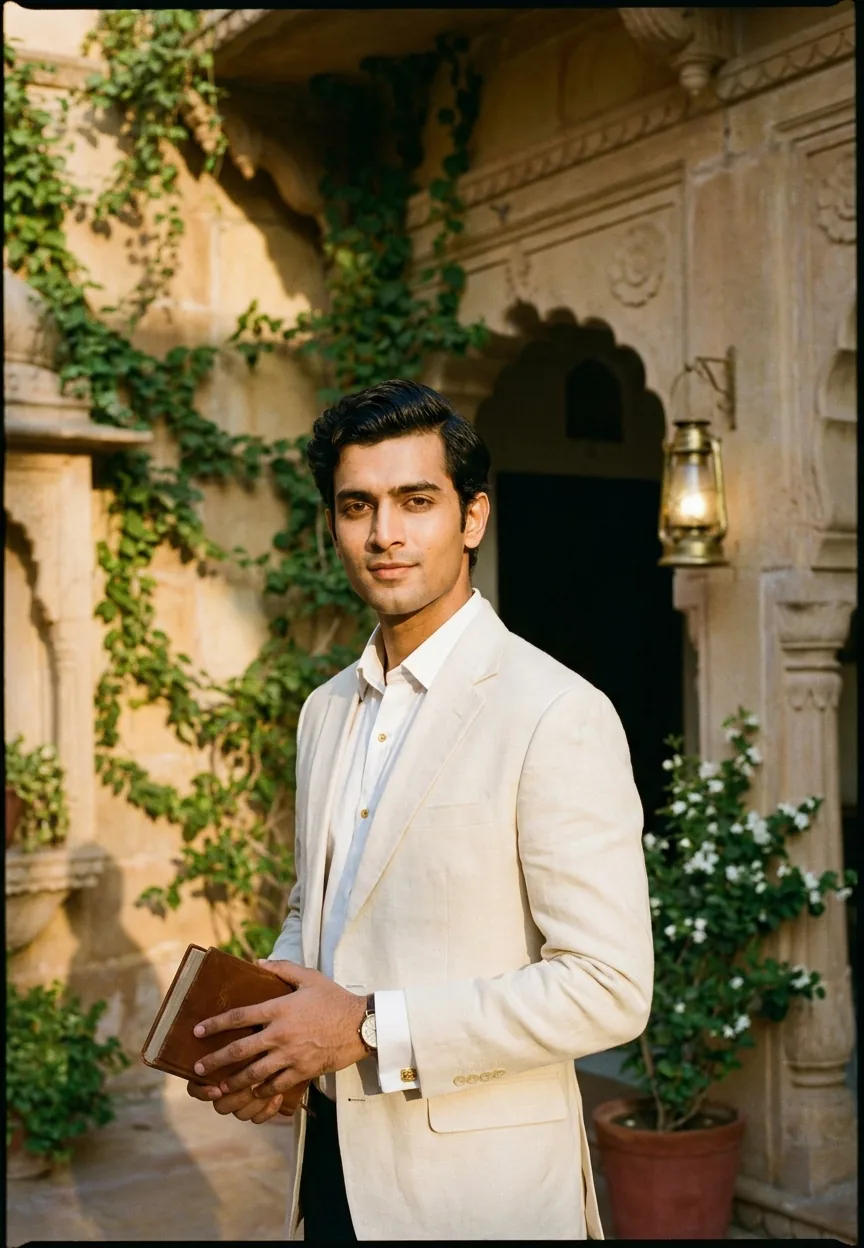
Paste this prompt into Gemini with a clear front-facing photo of yourself and you will get a cinematic, medium-format-style portrait that looks like it was shot in a Rajasthan haveli at golden hour — no actual haveli required.
What Old Money Aesthetic Actually Means
Old Money Aesthetic is a visual style rooted in inherited wealth and understated elegance. The whole point is restraint. You dress well because you know how to, not because you are trying to impress anyone. Think Ralph Lauren without the polo pony, or a Jaipur family portrait from 1987 that somehow looks cooler than anything shot last week.
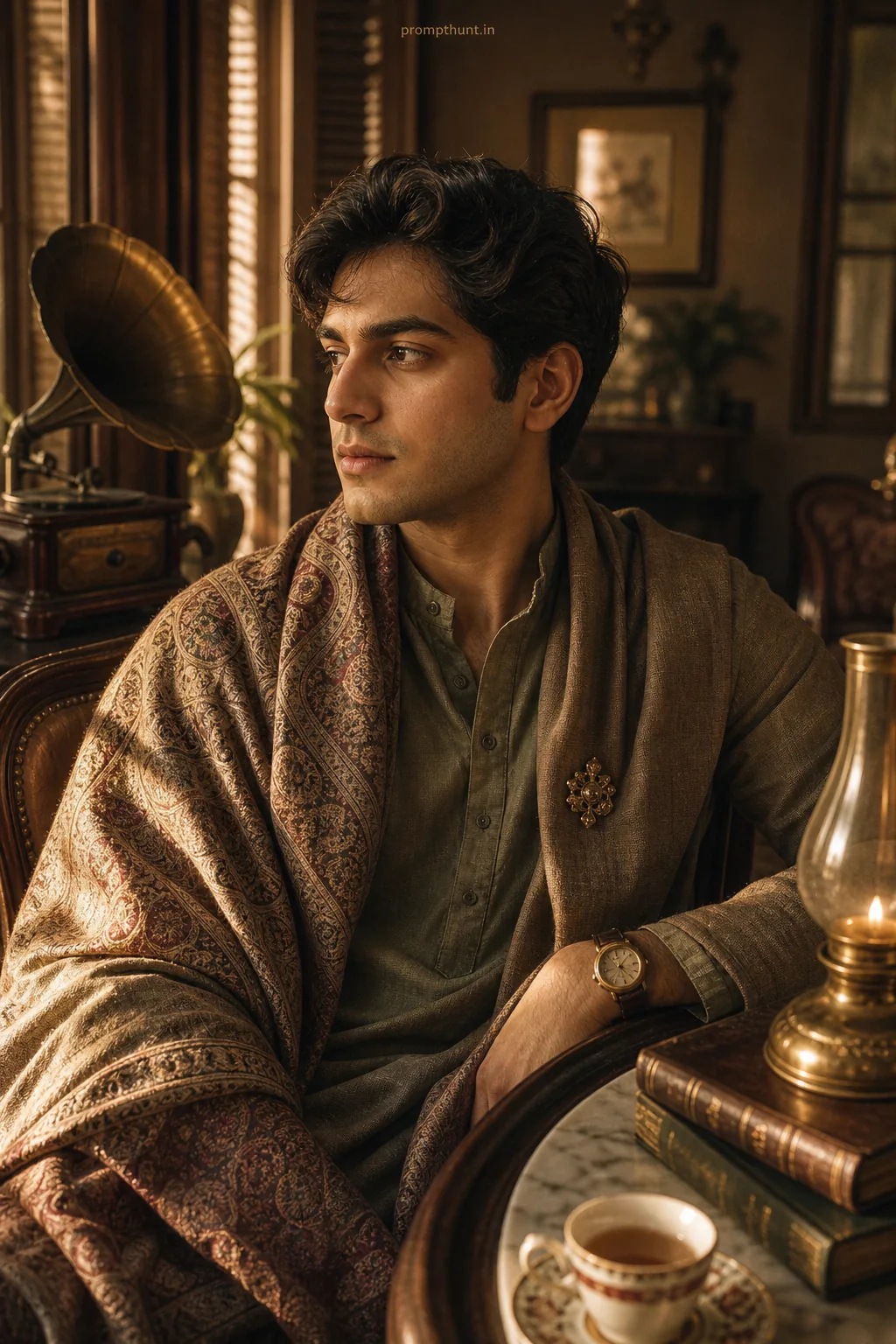
In the AI photo world, this translates to a very specific set of visual signals. Warm ivory and caramel tones. Natural fabrics — linen, cotton, soft wool. Heritage architecture. Shallow depth of field that makes backgrounds melt into soft, expensive blur. And most importantly, no hustle. The subject is not flexing. They are simply existing, which somehow communicates more wealth than a Lamborghini in the driveway.
The Indian version of this aesthetic leans into something genuinely powerful: the subcontinent actually has old money, and it looks spectacular. Havelis with carved sandstone arches. Jasmine-draped courtyards. Brass lanterns that have been glowing for centuries. When you fold all of that into an AI prompt, the results are not just pretty — they are culturally resonant in a way that a generic European manor never quite manages.
The Prompt That Does the Work
Here it is. Copy every word of it. Changing "cream linen blazer" to "blue hoodie" is how you end up with a very different vibe. (Fair enough if that is your goal. But it is not this goal.)
A strikingly handsome Indian man in his late 20s, dressed in a perfectly tailored cream linen blazer over a crisp white Oxford shirt with subtle gold cufflinks, standing in the courtyard of a grand heritage haveli in Rajasthan, warm golden hour sunlight casting long soft shadows across ancient sandstone walls draped in ivy, the man holds a leather-bound book casually at his side with effortless confidence, his hair neatly combed back with a natural wave, subtle expensive watch peeking from his cuff, background features ornate carved arches, potted jasmine plants, and a vintage brass lantern glowing softly, color palette of warm ivory, caramel, deep forest green, and antique gold, cinematic film photography aesthetic with slight grain and rich contrast, shot on medium format camera, shallow depth of field, ultra-realistic editorial fashion photography, 9:13 vertical portrait orientation, mood of quiet luxury, generational wealth, and timeless understated elegance
How to Use This Prompt Step by Step
Nine times out of ten, people mess this up by uploading a blurry selfie and then blaming the AI. Do not be that person. Here is how to actually get results worth posting.
Step one: get your photo right. Use a clear, front-facing photo with your face well-lit and unobstructed. Natural light works best. Avoid heavy filters on the source image — Gemini needs your actual face, not whatever Valencia did to it.
Step two: open Gemini. Go to gemini.google.com. You need a Google account, which you almost certainly already have. The image generation feature works in the standard interface. No special subscription required for a basic try, though Gemini Advanced produces noticeably sharper results.
Step three: upload your photo and paste the prompt. In the chat input, attach your photo first, then paste the full prompt above. Do not paraphrase it. Do not summarise it. The specificity is the whole point — every detail in that prompt is pulling weight.
Step four: generate and pick the best output. Gemini will produce a few variations. Nine times out of ten, one will be considerably better than the others. Look for the one where the lighting hits the face naturally and the background architecture reads as real rather than painted. Regenerate if none of them land.
Step five: light touch editing. If you want to post it, run the output through Lightroom Mobile or Snapseed. Bump the warm tones slightly, pull the highlights back a touch, and add a hair of grain if the AI version looks too clean. You are going for "shot on film in 1994 by a very good photographer," not "render from 2024."
Tips for Best Results
Rule of thumb: the more specific your input photo, the more believable the output. A photo where your collar is visible will anchor the blazer much more convincingly than a tight headshot.
Keep the colour palette consistent if you are doing a series. The ivory, caramel, and antique gold combination is doing a lot of atmospheric work here. If you start swapping in cool greys or navy, you have accidentally wandered into a different aesthetic entirely — probably New Money, which is a whole other article.
The 9:13 vertical orientation is there for a reason. It is optimised for Instagram Stories and Reels thumbnails. If you need a square crop for a grid post, generate at 9:13 and crop down — do not generate square and wonder why the architectural background feels cramped.
If Gemini struggles with facial likeness, try describing your specific features in the prompt. Add a line like "man with sharp jawline and deep brown eyes" tailored to your actual face. It helps the model anchor the likeness rather than going generic. (Generic AI man is handsome, sure, but he is nobody's profile picture.)
Why This Is Trending in India Right Now
The Old Money Aesthetic is having a significant moment across Indian social media, and it is not hard to see why. There is a generation of Indian creators who are tired of the aspirational content that looks like it was filmed in a rented penthouse. They want something that feels earned rather than borrowed. Heritage India — Rajasthan especially — offers a visual vocabulary of genuine, centuries-deep elegance that Western old money aesthetics can only approximate.
The haveli prompt specifically resonates because these buildings exist. Anyone who has visited Jaipur, Jodhpur, or Udaipur knows that the architecture in this prompt is not fantasy — it is Tuesday morning in the old city. That groundedness makes the AI output feel aspirational rather than absurd.
There is also the algorithm factor. Warm, high-contrast, vertically-oriented portrait content performs exceptionally well on Instagram and Pinterest right now. This prompt produces exactly that, which is why you are seeing it reposted across creator accounts with north of 100,000 followers. It is good content that also happens to be easy to make. That combination spreads fast.
Honest Opinion: When to Use This and When to Leave It
Right, here is the straight answer. This prompt is genuinely excellent for personal branding content, creative portfolio pieces, and social media portraits that want to communicate sophistication without a photoshoot budget. If you are a creator, entrepreneur, or someone who just wants a profile photo that does not look like it was taken at a cousin's wedding in 2019, this delivers.
But there are situations where it does not belong. If you are a brand trying to represent actual products, AI-generated editorial imagery is a shaky foundation — customers will eventually notice, and the backlash is rarely worth the saved photography budget. Similarly, if your personal brand is built on authenticity and real-life storytelling, flooding your feed with AI portraits creates a strange cognitive dissonance that your audience will feel even if they cannot name it.
The other honest caveat: Gemini's facial accuracy is good, not perfect. For a personal photo, it will often get close enough to be recognisable. For a professional headshot that your clients will use to identify you at a meeting, it needs human verification and probably some editing. Do not send an AI portrait to a conference organiser and assume it will pass scrutiny. (I say this with the confidence of someone who has seen this go wrong at least twice, neither time being my fault. Fine. One of the times was my fault.)
The style itself has real longevity. Quiet luxury as an aesthetic is not going anywhere — it is essentially the visual language of every prestige drama that has won an Emmy in the last five years. This prompt will still feel relevant in two years. That is a longer shelf life than most AI photo trends, which have the cultural staying power of a TikTok sound.
The Bottom Line
The Old Money Aesthetic Gemini prompt works because it is specific, it is culturally grounded, and it tells a complete visual story in a single image. Cream linen, carved sandstone, brass lantern, golden hour — every element earns its place. Upload a decent photo, paste the prompt, do a light edit in Snapseed, and you have something that looks like it should be in a magazine that does not accept advertising from brands that advertise loudly.